UN Chief Warns of Widening Global Faultlines Amid Power Shifts
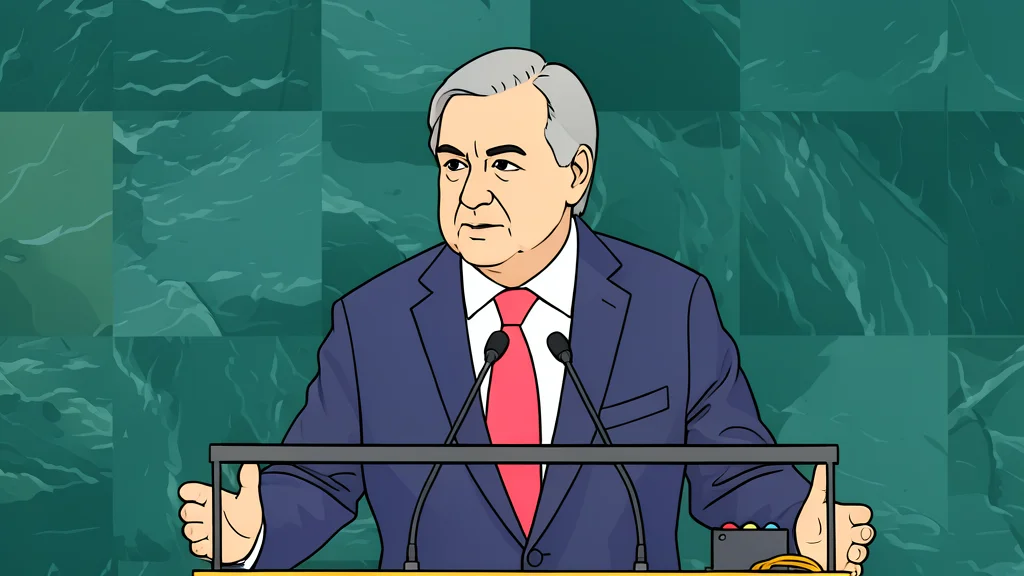
António Guterres urges nations to choose networked cooperation over fragmentation as geopolitical divides and AI risks expand.
Key points
- UN Secretary-General warns that global faultlines are widening into canyons due to war, climate, and tech risks.
- Power is shifting from states to private corporations and machines, straining outdated governance systems.
- Guterres advocates for networked multipolarity to prevent a world divided into rival economic blocs.
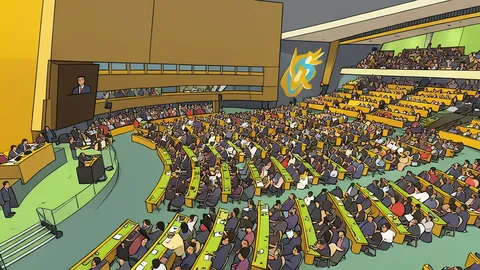
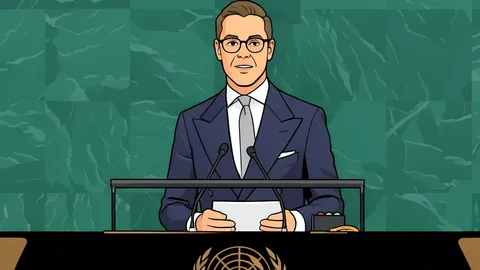
At the opening of the 81st session of the General Assembly, UN Secretary-General António Guterres described a world where deepening fractures have turned into canyons. Speaking to delegates, he warned that wars, climate crises, and rapid technological changes are not isolated incidents but interconnected chapters of a single story about the shifting nature of power.
According to the United Nations Sustainable Development Group, the Secretary-General called for a collective move away from fragmentation toward a model of networked multipolarity. He argued that current global governance structures reflect a bygone era and are ill-equipped to handle the unprecedented convergence of threats facing humanity today.
Reshaping Power Dynamics
Guterres identified three fundamental shifts in how power is distributed and exercised. First, new centers of economic and technological influence are emerging among states. Second, there is a significant transfer of influence from governments to a small number of private corporations and individuals. Third, humans are increasingly ceding control to machines, with artificial intelligence agents and autonomous weapons moving from theoretical concepts to military realities.
Fragmentation Versus Networked Multipolarity
The UN chief outlined two possible trajectories for the future. One path leads to a fragmented world defined by transactionalism, rising tensions, and zero-sum calculations. The alternative is a networked multipolar world built on interdependence, where multiple centers of influence coexist within a shared framework of international law and rules.
He cautioned that while competition is a permanent feature of international relations, it does not have to result in confrontation. By operating within stable frameworks, healthy competition can drive innovation and strengthen resilience. However, this requires an acknowledgment that no single power, however dominant, possesses unlimited capability to solve complex global problems alone.
Urgent Need for Collective Action
The Secretary-General emphasized that military, economic, or technological power alone cannot guarantee security or peace. He urged governments to prioritize cooperation on climate action, economic fairness, and AI safeguards. The central message was that law and collaboration must prevail over force and division to address the widening faultlines in the global order.