UK Attributes Yemen Escalation to Houthi Actions at UN
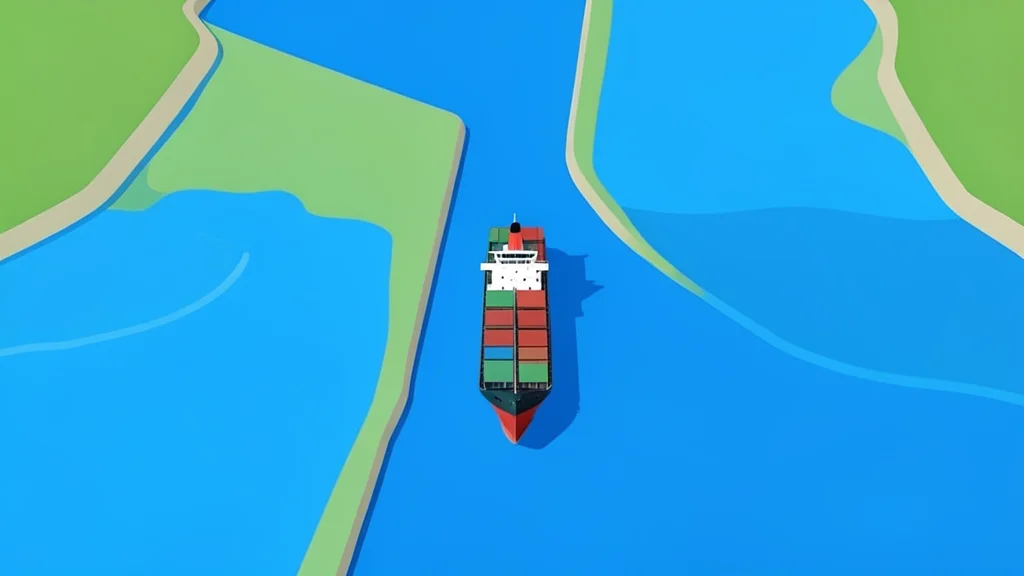
Britain asserts that the Houthis bear full responsibility for recent military escalations in Yemen, citing threats to regional stability and international shipping lanes.
The United Kingdom has formally attributed the recent surge in violence in Yemen to the Houthi movement, presenting a detailed account of military and humanitarian developments to the UN Security Council. According to Ambassador Kate Foster, the UK’s Deputy Permanent Representative, the group’s actions have significantly destabilized the region while posing direct threats to global economic interests.
The statement highlights a pattern of continued attacks against Saudi Arabia and intensified operations within Yemen. These developments have reportedly resulted in civilian casualties, damage to residential infrastructure, and disruptions to commercial aviation. The UK emphasized that these actions are not isolated incidents but part of a broader strategy to consolidate control over key coastal areas.
Maritime Security Faces Critical Threats
A central concern raised by the delegation is the impact on international shipping routes. The Houthis have sought to strengthen their presence along the Red Sea coast and around the Bab al-Mandeb Strait, a vital chokepoint for global trade. The UK warned that this consolidation of power endangers the freedom of navigation, a principle upon which the stability of the global economy relies.
The economic repercussions of such disruptions are expected to be felt most acutely by developing nations. By threatening one of the world’s most critical shipping corridors, the current situation introduces significant volatility into supply chains. The UK noted that the safety of maritime transit is increasingly at risk, complicating efforts to maintain stable trade flows in the region.
Humanitarian Crisis Deepens Rapidly
Beyond the geopolitical and economic implications, the humanitarian situation in Yemen has deteriorated sharply. The UK reported that more than 126,000 people have been displaced due to recent hostilities, with figures likely to rise as operations continue. Specific concern was expressed for the area around Marib, which already hosts one of the largest displaced populations in the country and is now under further strain.
Agencies on the ground have flagged rising food insecurity and growing health needs, particularly affecting women and children. Reports indicate that civilian infrastructure, including schools and homes, has come under fire. The UK highlighted that access for humanitarian workers remains severely restricted, preventing essential aid from reaching vulnerable communities. Additionally, the continued detention of humanitarian, UN, and diplomatic personnel was condemned, with calls made for their immediate and unconditional release.
International Obligations and Peace Pathway
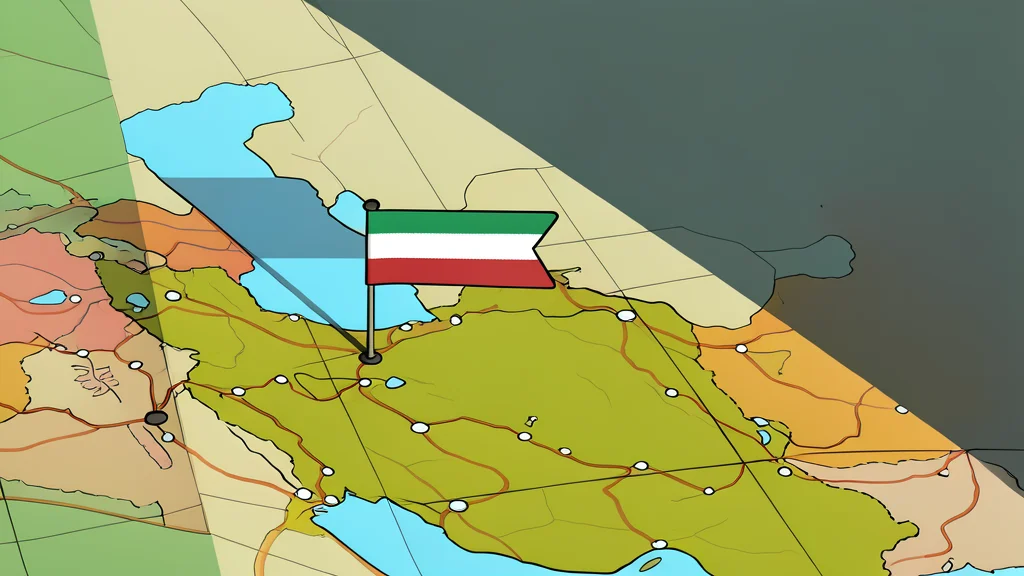
The UK statement pointed to external factors sustaining the conflict, specifically citing longstanding support from Iran. According to the delegation, this support enables the Houthis to conduct attacks that threaten neighboring states and maritime security. The UK reaffirmed the importance of UN Security Council resolutions, urging all member states to fulfill their obligations regarding the prevention of arms transfers and military support to the group.
While expressing steadfast support for the UN-led peace process and the efforts of Special Envoy Hans Grundberg, the UK maintained that progress is impossible while military offensives continue. The delegation called for a united message from the Council: the Houthis must cease attacks, release detained personnel, and de-escalate immediately. The focus remains on returning to a viable pathway for peace, a goal that requires immediate adherence to international law and a halt to destabilizing actions.