UK Regrets Veto Blocking Iran Sanctions Monitor Renewal

The United Kingdom expressed deep regret following the Security Council's failure to renew the mandate for the Iran Panel of Experts, citing the loss of critical oversight capabilities.
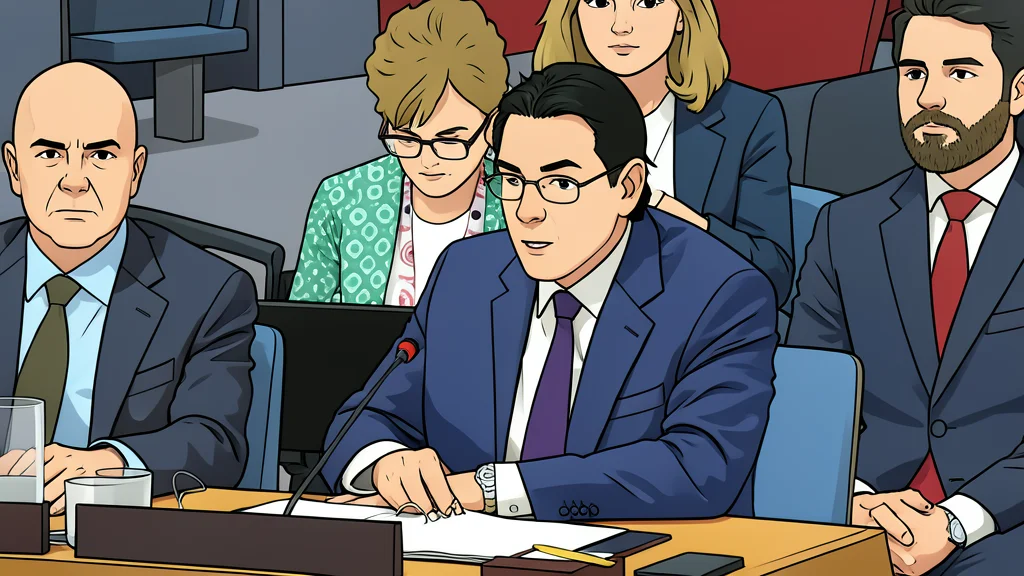
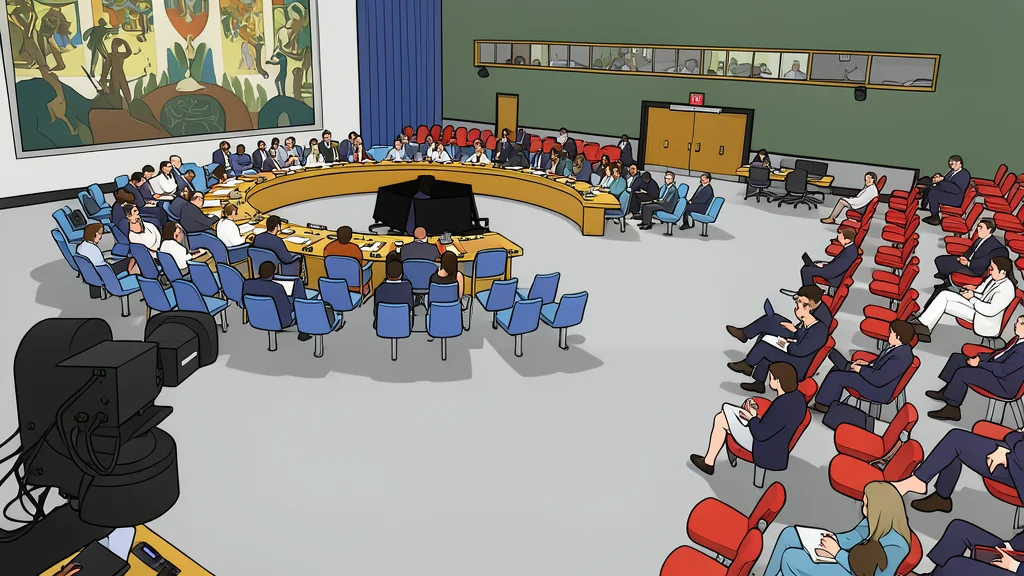
The United Kingdom has voiced strong disappointment over the decision by Russia and China to block the renewal of the mandate for the Iran Panel of Experts at the United Nations Security Council. In a formal explanation of vote delivered by Ambassador Sarah MacIntosh, the UK Permanent Representative to the UN, London stated that it deeply regrets the outcome, which effectively halts the independent monitoring body that has supported sanctions enforcement for over a decade. The vote marks a significant shift in the Council's approach to non-proliferation oversight, leaving a gap in the verification processes that the Western bloc considers essential for maintaining transparency regarding Tehran's nuclear activities.
According to the statement provided to the Council, the UK emphasized that this veto does not alter the legal status of existing sanctions, which remain binding on all UN member states. However, the loss of the Panel of Experts reduces the Council's ability to gather expert advice on how these measures are being implemented. The UK highlighted that the Panel, established in 2010, played a crucial role in ensuring that sanctions against Iran's proliferation efforts were both effective and appropriate, providing the necessary technical depth to the broader diplomatic and legal framework.
Diplomatic Context and Historical Mandate
The UK representative noted that the international community has spent over twenty years addressing concerns related to Iran's nuclear and missile programs, with a consistent focus on diplomatic solutions. The establishment of the 1737 sanctions committee in 2006 and the subsequent Panel of Experts in 2010 were responses to grave concerns regarding Iran's compliance with its legal obligations. It is worth noting that both Russia and China voted in favor of these original resolutions, meaning the current veto represents a departure from their earlier positions on the necessity of such monitoring mechanisms.
In its statement, the UK pointed to Iran's recent actions as the primary driver for the continued need for oversight. London cited the expansion of Iran's nuclear program without credible civilian justification and the refusal to cooperate with the International Atomic Energy Agency (IAEA). The inability of IAEA inspectors to verify the size and location of Iran's enriched uranium stockpile was described as a critical failure that underscores the importance of the Panel's work. The UK argued that Iran has too often chosen escalation over cooperation, creating a situation that demands sustained attention from the Security Council.
Broader Implications for Non-Proliferation
The UK linked the recent veto to a wider pattern of behavior by Russia and China in the Security Council. The statement referenced the March 2024 veto by Russia, which ended fourteen years of monitoring expertise regarding North Korea's sanctions evasion. According to the UK, these actions collectively undermine the Council's capacity to track illicit activities and enforce international norms. The UK further alleged that Russia has facilitated sanctions evasion by both Iran and North Korea, while simultaneously utilizing their weapons systems, such as drones and missiles, in its conflict with Ukraine.
Despite the procedural setback, the UK reaffirmed its commitment to the global non-proliferation regime. London stated that it remains ready to work with partners to pursue a negotiated settlement while upholding the rules that prevent Iran from acquiring a nuclear weapon. The statement suggested that while the loss of the Panel reduces the Council's informational base, the fundamental legal obligations of Iran under international law remain unchanged. The UK positioned this stance as a defense of the multilateral system, arguing that the integrity of sanctions monitoring is vital for maintaining trust in the international order.
Forward Outlook and Monitoring Gaps
The immediate consequence of the veto is a reduction in the Security Council's direct access to independent expert analysis on sanctions implementation. Observers will now look to whether member states will seek alternative mechanisms to fill this information gap or if they will rely more heavily on bilateral intelligence sharing. The UK's statement serves as a signal that London intends to continue advocating for the restoration of such oversight bodies in future sessions, framing the issue as a core component of its foreign policy commitments. The next steps will likely involve diplomatic negotiations to determine if a compromise can be reached to revive the mandate or if the council will proceed without this specific advisory layer.