US Grants Limited Visas for Iranian Leaders to Attend UN General Assembly
The United States has authorized a restricted Iranian delegation for the upcoming UN General Assembly, imposing strict travel and spending controls despite ongoing regional conflict.
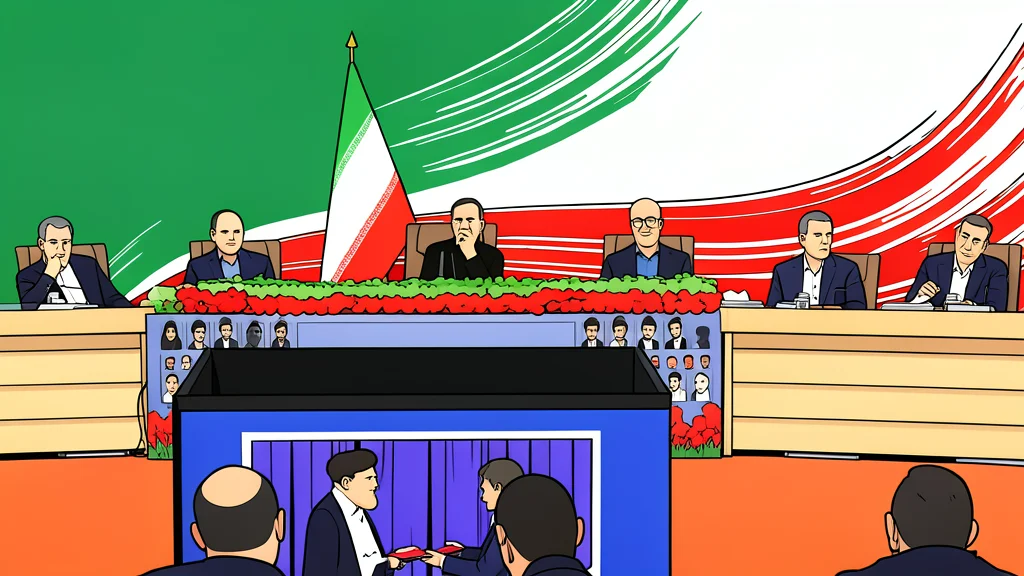
The United States has approved visa applications for senior Iranian officials, allowing a core delegation to attend the United Nations General Assembly in New York. According to a Department of State spokesman, this decision aligns with host country obligations, permitting President Masoud Pezeshkian and Foreign Minister Abbas Araghchi to participate in the High-Level Week. However, the approval comes with significant caveats, as the delegation will be smaller than in previous years and subject to heightened security measures.
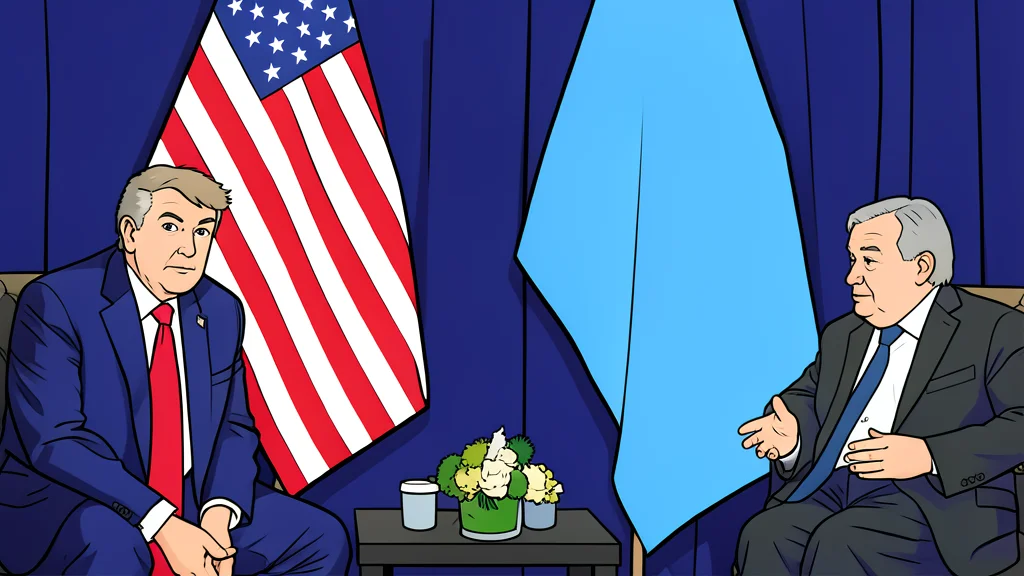
The move occurs against a backdrop of a prolonged military impasse between Washington and Tehran, a conflict that has now entered its seventh month. Reports from Al Jazeera English highlight that the disruption of the Strait of Hormuz, a critical route for global energy transit, has contributed to soaring oil prices. Despite these tensions, US President Donald Trump has recently asserted that direct talks have been held with Iranian officials, suggesting a potential pathway toward de-escalation, even as fighting continues in the region.
Restrictions on Delegation Scope
The State Department emphasized that only essential staff will be permitted to accompany the Iranian leadership. This scaled-down approach includes tighter travel curbs and prohibitions on the purchase of luxury goods, which officials stated are consistent with US policy. These limitations reflect a cautious approach by Washington, aiming to fulfill diplomatic hosting duties while maintaining strict regulatory oversight of the visitors' movements and spending.
This restricted access stands in contrast to the broader diplomatic landscape, where the United States has simultaneously denied entry to Palestinian Authority officials. The visa denial for President Mahmoud Abbas and other PA leaders marks the second consecutive year they have been barred from attending in person, forcing them to address the assembly virtually. The State Department cited a failure to reform and actions undermining peace prospects as the rationale for these broader visa bans.
Geopolitical Tensions and Economic Strain
The 81st session of the General Assembly is unfolding amid deepening geopolitical crises, including the war in Ukraine and escalating volatility in the Middle East. The closure of the Bab al-Mandeb strait by Houthi forces has added another layer of complexity to global shipping and energy markets. According to analysts, these disruptions have triggered widespread inflation and affordability crises, placing significant pressure on international diplomacy to seek resolutions.
Diplomatic Reactions and Future Outlook
The Palestinian Authority has criticized the US visa restrictions, arguing that punitive measures weaken the partner committed to a political solution. Their foreign ministry stated that such actions encourage forces working to undermine the two-state solution. As the high-level week approaches, attention will turn to whether the limited diplomatic engagement with Iran can yield any tangible progress, or if the assembly will remain dominated by rhetoric amid continuing military standoffs.