US Prioritizes Nuclear Talks over Hormuz Dispute

Washington is steering future diplomacy away from shipping routes and toward Tehran's nuclear program, leaving regional brokers to manage the Strait of Hormuz.
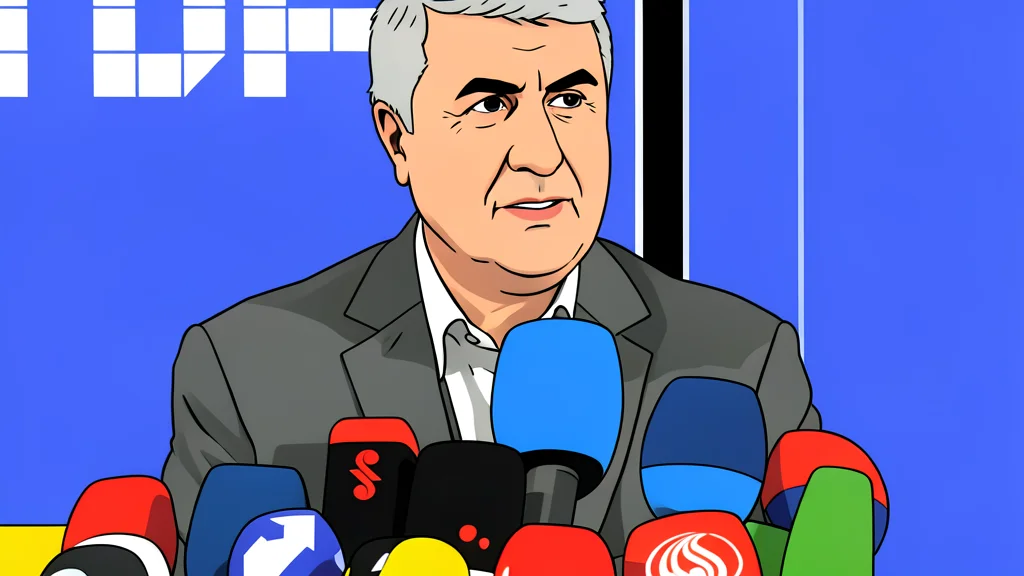
The Trump administration has signaled a strategic shift in its approach to Iran, prioritizing negotiations over Tehran's nuclear program rather than the immediate reopening of the Strait of Hormuz. According to three sources familiar with the matter cited by CNN, US officials have privately communicated this preference to counterparts in the Gulf region. This move effectively keeps Washington out of the direct diplomatic track for shipping access, a decision that has significant implications for the ongoing disruptions in one of the world's most critical energy arteries.
This strategic choice was evident in the recent postponement of a key meeting in Oman between Iran and Gulf Arab states. The gathering, which was intended to advance an Omani-brokered plan for restoring regular tanker traffic, proceeded without direct US participation. By maintaining its naval escort operations for tankers, the administration has suggested that the current state of the waterway is manageable for the time being, reserving its bilateral leverage for the more complex nuclear file.
Regional Diplomacy Takes Center Stage
With the US stepping back from direct Hormuz negotiations, the burden of resolving the shipping crisis has fallen more heavily on regional actors. Diplomats had hoped the Oman meeting would build momentum after months of private discussions regarding a legal framework for safe passage. This framework centers on voluntary payments for navigational safety and environmental protection, a compromise designed to address the widespread rejection of outright Iranian transit tolls by other maritime stakeholders.
According to reports from the GN auto geopolitics/middle-east: Iran nuclear desk, this division of labor creates a complex diplomatic landscape. While the US retains military leverage, it is choosing not to anchor its diplomacy on the strait itself. This approach may slow the progress toward a durable reopening framework, as the party with the most significant military influence is opting to keep its demands focused elsewhere. However, it also reduces the risk of Washington complicating regional agreements with separate, unrelated nuclear-related conditions.
Market Implications of Diplomatic Stance
For global markets, this shift suggests that the oil risk premium may persist longer than anticipated. Traders are increasingly viewing the ceiling on near-term de-escalation in the Strait of Hormuz as a function of regional diplomacy rather than a US-Iran breakthrough. The continued reliance on Oman and Gulf states to navigate these waters indicates that a swift resolution is unlikely, reinforcing the idea that recent postponements are consequential rather than incidental.
The administration’s stance that the current situation is acceptable, backed by the presence of US military escorts, signals a lack of urgency to insert itself into the specific diplomatic track for the strait. This contrasts with the broader geopolitical tension, where the nuclear program remains the primary flashpoint for US-Iran relations. The result is a dual-track reality where shipping logistics are managed regionally, while high-stakes strategic negotiations remain focused on nuclear non-proliferation.
Forward Look at Negotiation Dynamics
The path forward will depend on whether regional brokers can sustain momentum without direct US involvement in the shipping framework. If the Omani-brokered plan fails to gain traction, the disconnect between US nuclear priorities and regional shipping needs could widen. Observers will be watching closely to see if the US maintains this separation of issues or if the prolonged disruption in Hormuz eventually forces a reconsideration of its diplomatic strategy.