Nagoya's Floating Village and the Weight of Asian Games History
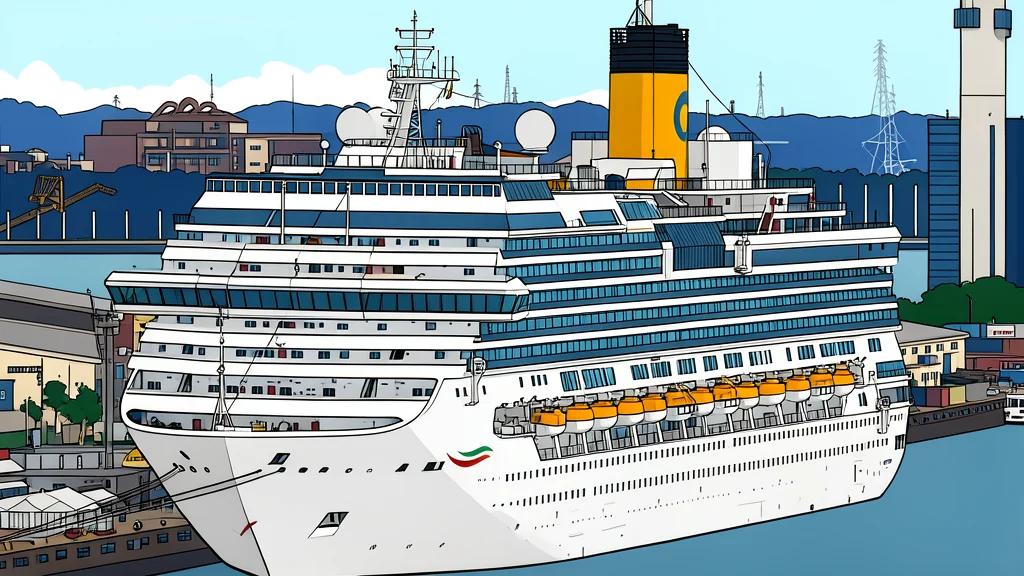
A white titan docks in Nagoya, carrying 5,000 souls toward a competition that outpaces the Olympics in sheer scale.
The Costa Serena cuts through the Pacific mist, its white hull glowing against the gray morning of Nagoya harbor. It is not merely a vessel but a floating city, designed to swallow up to 5,000 officials and athletes. The ship’s arrival marks the end of a logistical scramble that left hotels scrambling for empty rooms and basketball players complaining about beds too short for their limbs. This is the physical heart of the Asian Games, a massive undertaking that begins Saturday and stretches into early October.
Nagoya stands as Japan’s third largest metropolitan area, an industrial spine on the central coast with a metro population of 9.5 million. The city hosts this event for the third time, a testament to its enduring role in the region’s sporting fabric. The Games are often cited as the second most significant multisports event on the planet, trailing only the Summer Olympic Games. Yet, in terms of raw participation, the Asian Games frequently surpass their Olympic counterparts, creating a unique pressure on infrastructure and logistics.
A Maritime Solution to Land Constraints
Organizers chose the sea to solve a land-based problem. After billions were spent on the Tokyo Olympics, held in 2021, the budget for a traditional athletes village was slashed. The Costa Serena becomes the primary accommodation, supplemented by hotels and converted shipping containers. This hybrid approach reflects a pragmatic shift in how major events are managed, prioritizing cost-efficiency over architectural permanence. The ship’s presence transforms the harbor into a temporary residential district, a stark contrast to the solid concrete villages of past decades.
The decision has not been without friction. Reports indicate a last-minute crunch to secure enough sleeping space, with small Japanese hotel rooms drawing scrutiny from athletes accustomed to larger quarters. Imroze Ahmed, head of the Bangladeshi delegation, acknowledged the challenges. Yet, the ship remains the central fixture, a symbol of the Games’ adaptation to economic realities. It is a bold, if unconventional, choice that defines the logistical identity of this edition.
Forty-Three Disciplines and a Global Field
The competition spans 43 sports, a mix of Olympic staples and regional specialties. Track and field, swimming, and soccer anchor the program, alongside unique disciplines like kabaddi, sepaktakraw, and kurash. New additions such as teqball, padel, and mixed martial arts broaden the appeal, catering to a diverse audience. This variety ensures that the Games are not just a mirror of the Olympics but a distinct cultural expression of Asian athletic tradition.
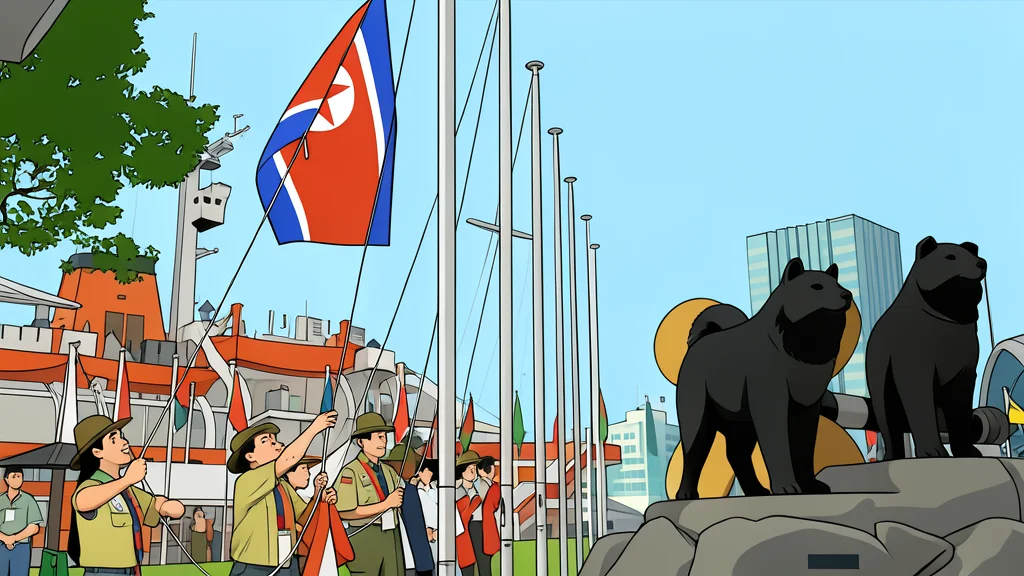
Forty-five countries and regions participate, ranging from Afghanistan to Yemen. North Korea sends approximately 100 athletes, a significant drop from the nearly 200 who competed in Hangzhou three years ago. The Olympic Council of Asia refugee team also enters, adding a layer of geopolitical complexity to the sporting narrative. Each nation brings its own story, its own ambitions, and its own challenges in navigating this vast, multi-sport landscape.
Scale Exceeding the Olympic Standard
The numbers tell a story of immense scale. Host Japan fields about 900 athletes, the largest delegation in the Games. China, with a population of 1.4 billion, sends 815, while Hong Kong, a region of only 7.5 million, contributes about 580. This extraordinary output from a small territory highlights the depth of talent and the intensity of competition. The total athlete count exceeds 11,000, surpassing the 10,700 who competed in the 2024 Paris Olympics.
China’s dominance is evident in past results, having won 201 gold medals in 2023. Their delegation includes swimming prodigy Yu Zidi, who at age 12 placed fourth in three individual events at the World Championships. The sheer volume of participants creates a logistical challenge that organizers are still grappling with, with registered numbers soaring above initial expectations. This edition of the Asian Games, as covered by GN auto sports/multisport: Olympic Games, is not just a sporting event but a test of organizational resilience and global cooperation.