Morrisey Supports Federal Repeal of Power Plant Rules
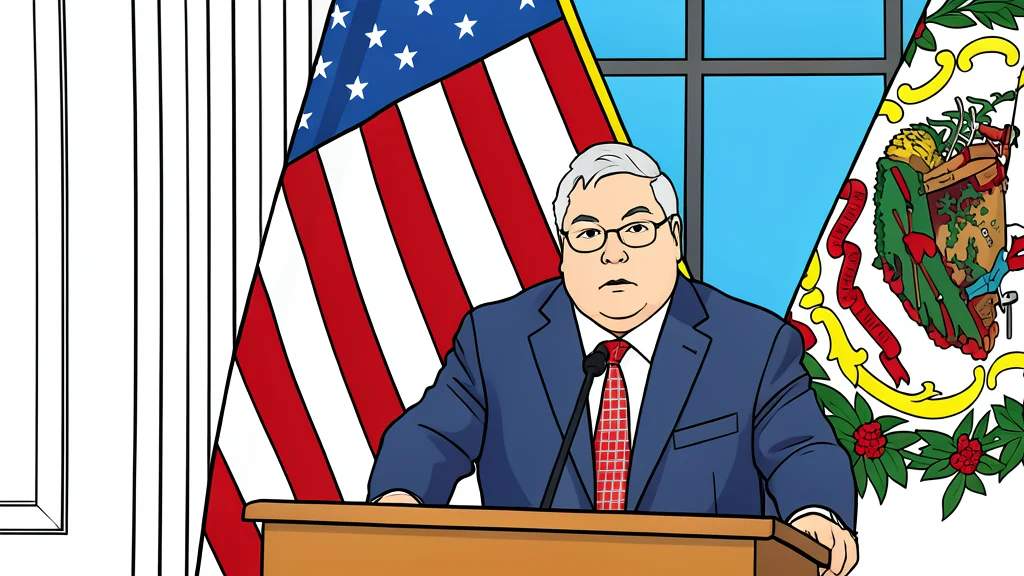
West Virginia’s governor endorses the removal of federal emissions constraints on coal and gas facilities, citing grid reliability and cost stability for local businesses.
Governor Patrick Morrisey of West Virginia has formally supported the Trump administration’s decision to repeal greenhouse gas regulations previously imposed on coal and natural gas power plants. The state leader described the move as a significant step toward securing reliable and affordable energy for American households and businesses, directly countering federal policies that he argued threatened to force dependable power sources off the grid.
The repeal is intended to stabilize the electric grid by allowing existing infrastructure to operate without restrictive compliance mandates. By removing these regulatory barriers, the administration aims to prevent cost increases for consumers and protect jobs in the energy sector. This policy shift is framed as a direct response to what state officials characterize as irrational climate policies that have negatively impacted the local economy over the past decade.
Regulatory Reversal Targets Grid Stability
The core objective of this regulatory change is to enhance the operational capacity of the nation’s power plants. Morrisey emphasized that the new framework allows for the continued use of coal and natural gas facilities, which are critical for maintaining consistent energy supply. This approach prioritizes the physical reliability of the grid over environmental compliance targets, ensuring that power generation remains consistent and accessible for industrial and residential users.
From a business perspective, the removal of these rules reduces the operational complexity and compliance costs associated with running thermal power plants. This creates a more predictable environment for energy producers, who can now focus on maintaining output levels rather than navigating shifting federal mandates. The policy is designed to support the long-term viability of these energy sources within the broader national infrastructure.
Legal Precedent Shapes State Energy Policy
Morrisey referenced his previous role as West Virginia’s Attorney General, where he led efforts to challenge federal carbon regulations in court. The case West Virginia v. EPA is cited as a landmark decision that supported the rule of law in energy policy disputes. This legal history underscores the state’s ongoing commitment to limiting federal overreach in areas traditionally managed by state and local authorities.
The governor stated that the current administration’s energy policies align with these long-standing legal and economic positions. By continuing to work with the federal government on these issues, West Virginia aims to solidify its stance against regulatory frameworks that it views as harmful to its economic interests. This collaboration signals a sustained effort to shape energy policy in favor of existing fossil fuel infrastructure.
Economic Impact on Local Energy Sector
The repeal of these regulations is expected to have a direct positive impact on the state’s energy sector. By protecting jobs in the coal and natural gas industries, the policy supports the livelihoods of workers dependent on these sectors. The administration argues that this stability is essential for maintaining the state’s contribution to national power generation.
For businesses in West Virginia, the reduction in regulatory uncertainty provides a clearer path for investment and expansion. The focus on affordable energy helps maintain competitive operating costs for local industries, which rely on stable power supplies. This economic strategy prioritizes the immediate benefits of reliable energy production over long-term environmental transition goals.