Satellite Imagery Confirms Major Damage to Saudi East-West Pipeline
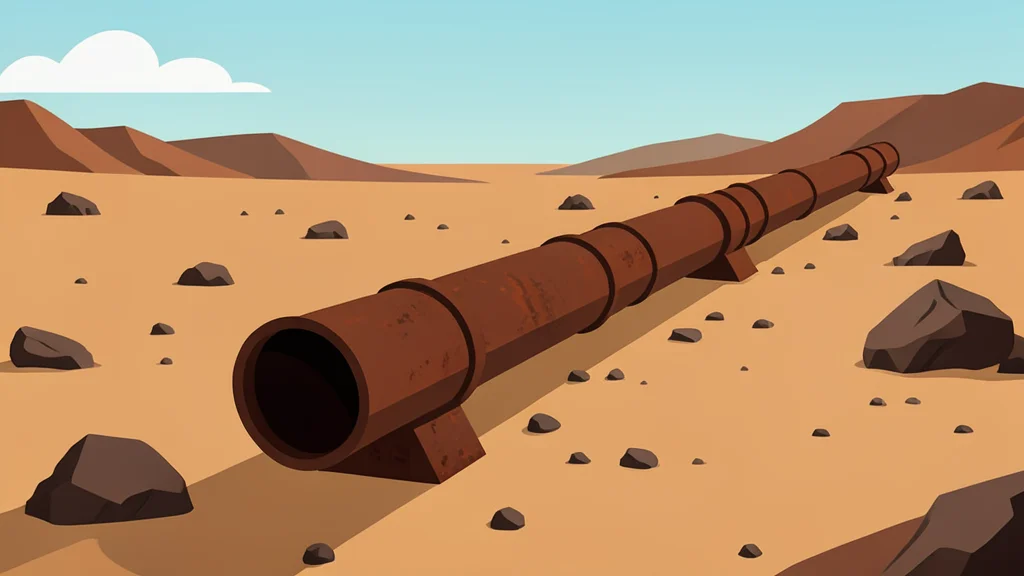
Satellite imagery confirms severe damage to a pumping station on Saudi Arabia's East-West Pipeline, a strike that has halted crude exports and threatens to tighten global supply for over a month.
Satellite imagery confirms severe structural damage to a pumping station on Saudi Arabia’s East-West Pipeline, a critical artery for crude exports bypassing the Strait of Hormuz. The Saudi government attributes the strike to Iranian-backed militias in Iraq, following a recent escalation of missile and drone attacks by Yemen’s Houthi group on the country’s southwest. This infrastructure failure forces a precautionary shutdown of the line, removing a key alternative route for Saudi crude and exacerbating existing geopolitical tensions in the region.
The closure has immediate implications for global energy markets, with Brent crude prices spiking to $108 per barrel by Tuesday. Trade intelligence firm Kpler estimates the shutdown could reduce available oil supplies by up to 3.6 million barrels per day, representing approximately 3.6% of global demand. The disruption is not merely logistical; it signals a strategic vulnerability in Saudi Arabia’s ability to reroute exports away from the conflict-prone Strait of Hormuz, where shipping incidents have already heightened risk premiums for insurers and traders.
Repair Timelines Extend Supply Disruption
Industry analysts indicate that the physical repair of the damaged pipeline section will take between four and six weeks. Homayoun Falakshahi, head of crude oil analysis at Kpler, cited constraints in spare parts availability and impaired global supply chains as primary factors delaying the restoration of flow. This timeline suggests that the reduction in supply will persist through the coming weeks, keeping upward pressure on crude prices as traders adjust to the lower availability of Saudi barrels in global markets.
The reliance on the East-West Pipeline has increased significantly as Saudi Arabia seeks to mitigate risks associated with the Strait of Hormuz. However, the recent strike demonstrates that alternative routes are also susceptible to targeted attacks. Anne-Sophie Corbeau of the Center on Global Energy Policy at Columbia University noted that such infrastructure is highly vulnerable, suggesting that the current workaround strategy may be less effective than previously assumed due to the threat of destruction.
Broader Infrastructure Attacks Escalate
Beyond the pipeline, satellite images reveal damage to King Khalid Air Base near Khamis Mushait, where at least three aircraft hangars were reportedly damaged by Houthi ballistic missiles and drones. The base hosts US-made F-15 fighter jets and was used for recent airstrikes on Houthi-controlled areas in western Yemen. The Saudi-led anti-Houthi coalition reported that a recent missile and drone attack injured 13 people, highlighting the expanding scope of the conflict beyond energy infrastructure to military and civilian sites.
The Houthi group has seized significant territory along Yemen’s southwest coast, including areas overlooking the Bab al-Mandab waterway, enhancing their capacity to blockade Saudi shipping. This territorial gain, combined with the pipeline damage, creates a compounded risk to regional energy security. The Saudi government has vowed a firm response to the attacks, while the UN Refugee Agency reports that over 100,000 people have been internally displaced by the renewed hostilities, adding a humanitarian dimension to the economic fallout.
Market Impact and Strategic Vulnerabilities
The surge in oil prices reflects the market’s assessment of the increased risk to global supply chains. With Brent crude trading near $108 per barrel, the cost of energy is likely to remain elevated as long as the pipeline remains offline and regional tensions persist. The incident underscores the fragility of energy infrastructure in conflict zones and the difficulty of establishing secure alternative routes when multiple fronts are active. For producers and consumers alike, the repair period will be a critical window for assessing the durability of current logistical strategies.