EPA Finalizes Repeal of Clean Power Plan 2.0
The EPA has finalized the repeal of regulations that threatened coal-fired baseload generation, citing grid stability and cost reduction.
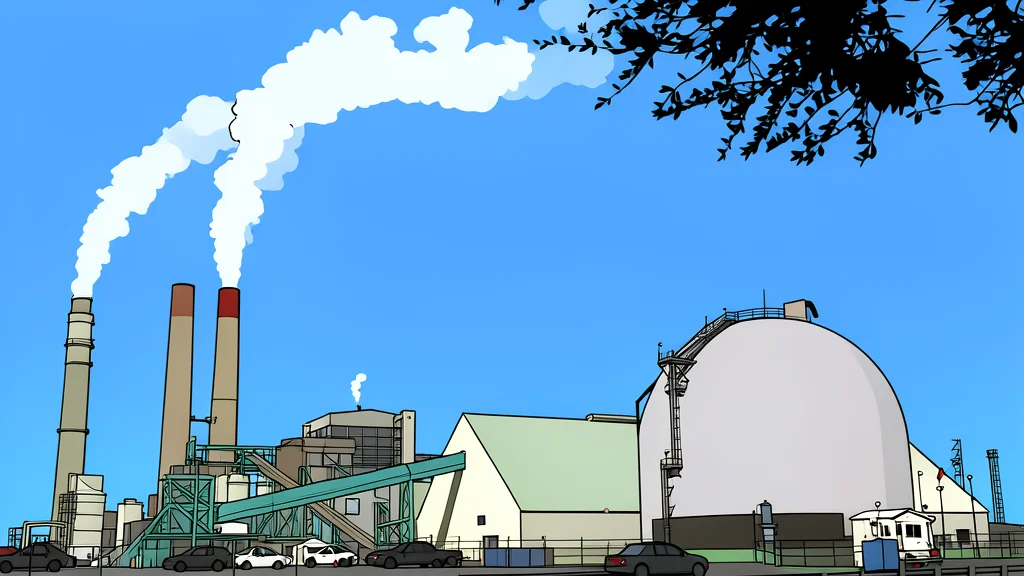
The U.S. Environmental Protection Agency has finalized the repeal of the “Clean Power Plan 2.0” regulations, a move that removes mandatory phase-out timelines for coal-fired power plants. This regulatory reversal directly impacts utility operators in North Dakota and other coal-dependent regions by eliminating the requirement to decommission existing baseload generation assets. The agency stated that the action is intended to stabilize the power grid and prevent the forced closure of facilities that provide critical, round-the-clock electricity.
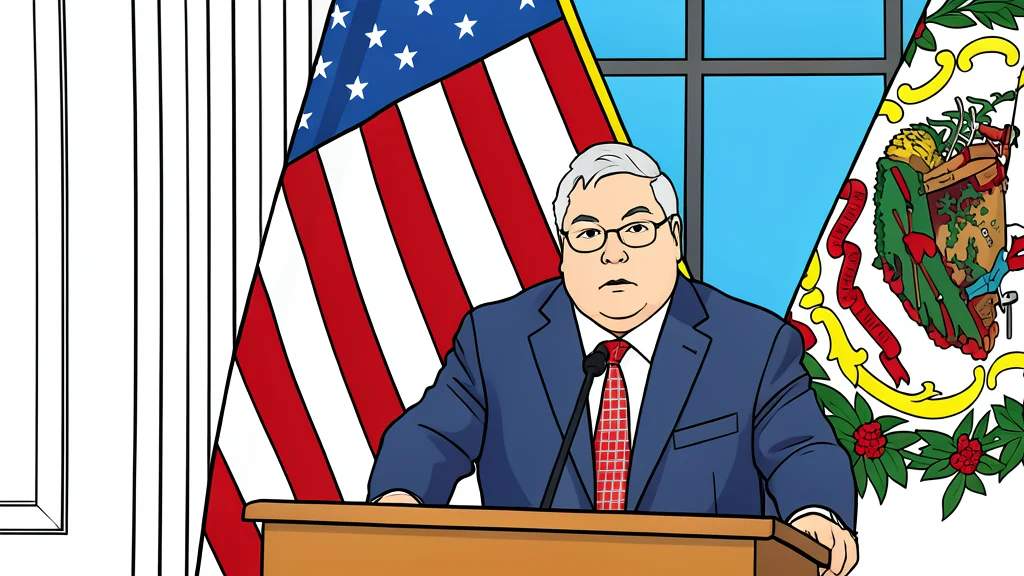
North Dakota Governor Kelly Armstrong publicly endorsed the decision, arguing that the previous rule created uncertainty for plant operators and the local workforce. Armstrong noted that the repeal allows utilities to continue operating coal-fired plants without the financial risk of mandated shutdowns. He credited EPA Administrator Lee Zeldin and Interior Secretary Doug Burgum for facilitating the change, framing it as a restoration of efficiency in the energy sector.
Regulatory Reversal Targets Baseload Stability
The EPA justified the rollback by stating it would ensure affordable and reliable energy supplies. The agency claimed the move would drive down costs across transportation, heating, utilities, farming, and manufacturing. By removing the regulatory burden associated with the Biden-era rules, the EPA aims to support national security through sustained domestic energy production. The administration views the retention of coal-fired capacity as essential for maintaining grid reliability in regions where renewable sources do not yet provide sufficient baseload coverage.
State Leadership Engages Federal Agencies
Governor Armstrong met with EPA Administrator Zeldin in May 2025 in Washington, D.C., to discuss the economic impact of the proposed regulations on North Dakota’s utility sector. During these discussions, state officials emphasized the need to protect coal-fired plants that serve as the backbone of the regional power grid. The meeting highlighted the direct link between federal policy decisions and the operational viability of state-level infrastructure.
Doug Burgum, the current U.S. Secretary of the Interior and former North Dakota governor, also supported the decision. As chair of the National Energy Dominance Council, Burgum stated that the rule reversal allows vital resources to be used for the benefit of the American people. His involvement underscores the coordination between state leadership and federal agencies in shaping energy policy that prioritizes existing infrastructure over mandated transitions.
Economic Impact on Energy Producers
The finalized repeal lifts what Armstrong described as a cloud of uncertainty for coal-fired power plants and the communities they support. By allowing these facilities to continue producing electricity in an environmentally responsible manner, the decision aims to keep consumer electricity prices stable. The administration argues that this approach unleashes U.S. energy production, strengthening both economic output and national security. The outcome provides a clearer regulatory path for utilities to invest in maintenance and efficiency rather than preparing for decommissioning.