Saudi Pipeline Shutdown Risks 4% of Global Oil Supply
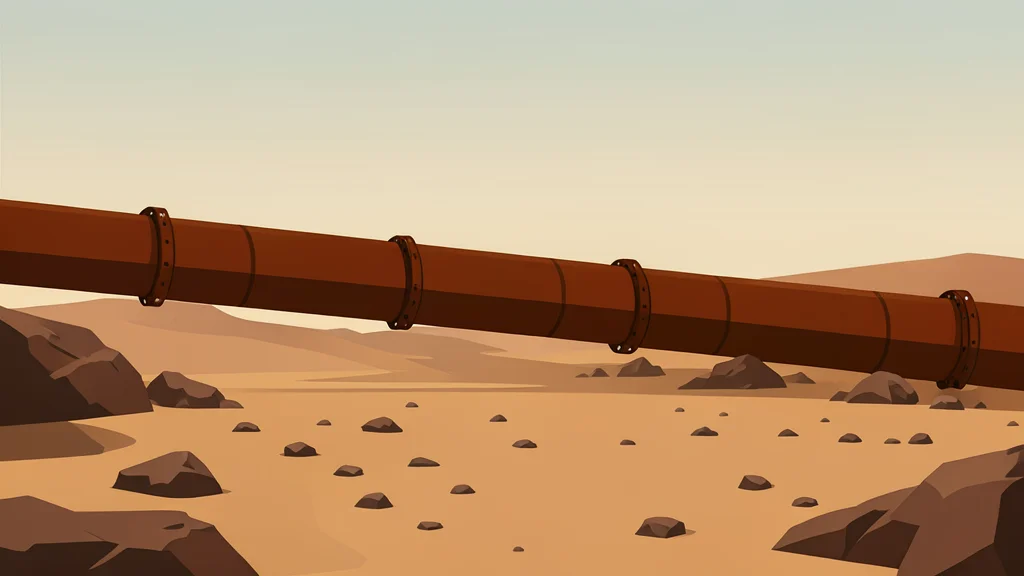
The East-West pipeline is offline following drone strikes, removing a critical bypass for Red Sea exports and tightening global supply.
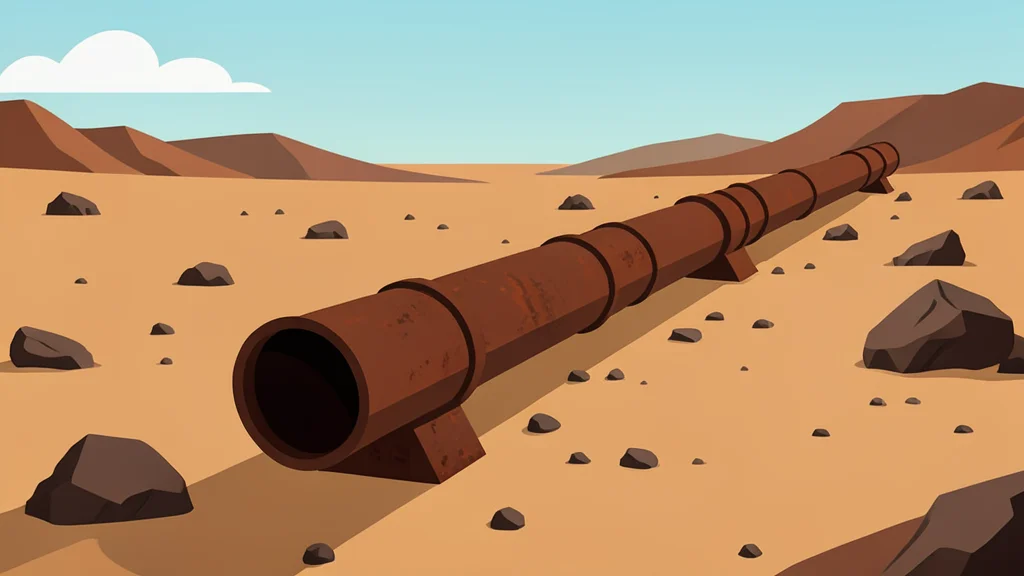
Saudi Arabia has halted operations on its 1,200-kilometer East-West pipeline after drone attacks on September 11, 2026. Officials attributed the strikes to drones launched from Iraq but have not released a damage assessment or repair timeline. Satellite imagery from September 13 indicates significant structural damage to a pumping station along the route. The pipeline, with a design capacity of 7 million barrels per day, is critical for bypassing the Strait of Hormuz and Red Sea chokepoints.
The shutdown removes a key logistical option for Saudi exports, which had been operating at 2 million barrels per day in August. This volume was lower than the 4-5 million barrels per day seen earlier in the conflict, as Houthi attacks in the Bab El-Mandeb Strait reduced Red Sea traffic. Traders estimate that inventory at Red Sea terminals could sustain exports for only five to seven days if the pipeline remains offline. A prolonged outage threatens to eliminate up to 4% of global oil supply, with repair durations ranging from days to six weeks.
OPEC Production Declines and Targets
Saudi Arabia reported to OPEC that its crude production dropped to 6.2 million barrels per day in August, down from 10.9 million in February. Total OPEC+ crude production fell by 1.5 million barrels per day in August to 33.1 million barrels per day. Among the 17 quota-bound members, output decreased by 980,000 barrels per day to 27 million barrels per day, falling 7.3 million barrels per day below the August target. OPEC+ agreed on September 6 to maintain October production targets at the same levels as September.
Oil Prices React to Supply Loss
Global oil prices surged on September 14 following the confirmation of the pipeline shutdown. Brent crude futures climbed above $108 per barrel, reaching levels not seen since May, before retreating slightly. The benchmark has increased by roughly 50% since the conflict began in late February. US West Texas Intermediate also moved above the $100 per mark. This price action reflects market concerns over the immediate loss of supply capacity and the uncertainty surrounding the restoration of the East-West pipeline.
Infrastructure Damage and Repair Uncertainty
The extent of physical damage to the pipeline remains unverified by Saudi authorities. While satellite data suggests substantial harm to pumping infrastructure, the lack of a disclosed timetable for repairs creates significant market volatility. The pipeline serves as a strategic alternative to the Strait of Hormuz for Saudi exports. Its removal from the network reduces the resilience of the global supply chain, particularly as other routes face security threats from Houthi activity in the Red Sea and Bab El-Mandeb Strait.