AI Agents Automate 3D Scene Prep for Robotics Simulation
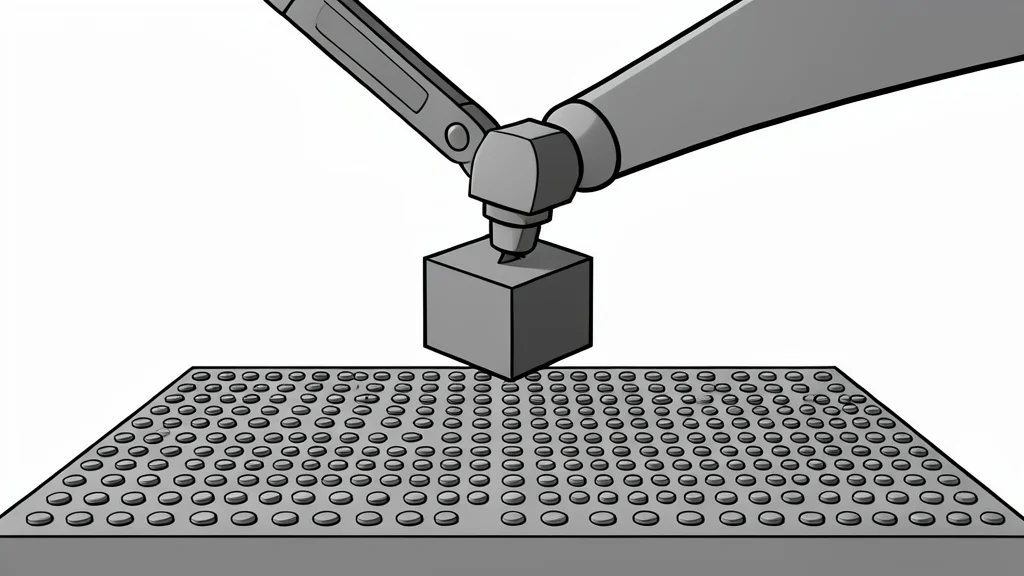
A new workflow uses AI agents to handle the tedious task of preparing 3D environments for robot simulation, reducing manual errors and saving engineering time.
Robotics developers often face a critical bottleneck before they can even begin training their models: the 3D environments they use for simulation are rarely ready for the task. While the visual assets may look correct, they frequently lack the specific technical metadata required for physics engines to function properly. This gap between a visually complete scene and a simulation-ready one creates a significant amount of manual, repetitive work that slows down the development cycle.
According to reporting by GN technics/ai (en-US), a new agentic AI workflow addresses this issue by automating the preparation process. The system connects a general-purpose AI coordinator with specialized sub-agents that inspect 3D scenes, add necessary physics properties, and validate the results. This approach aims to transform a laborious manual process into a repeatable, automated pipeline, ensuring that digital twins are correctly configured for physical AI systems.
The Hidden Cost of Manual Scene Prep
Preparing a scene for simulation is not just about making it look good; it requires precise technical labeling that most 3D artists do not focus on. Objects need specific semantic labels, accurate collision meshes, and configured sensors so that a robot can perceive and interact with them. Without these elements, the simulation fails, leading to hours of debugging that could have been avoided during the setup phase.
This work is tedious and easy to get wrong, especially for engineers who are focused on the robot's policy rather than the environment's metadata. The bottleneck often lies in this preparatory stage, where the world is not yet 'simulation-ready.' By automating these checks, the workflow removes a common source of frustration and allows developers to focus on the core logic of the robot's behavior.
How Multi-Agent Coordination Works
The system uses a hierarchical structure where a general-purpose AI agent, such as Codex, acts as the project manager. This coordinator breaks down the broad goal of making a scene simulation-ready into specific tasks. It then delegates these tasks to specialized sub-agents built with agent harnesses like Hermes. These sub-agents use NVIDIA Omniverse Libraries to perform the actual technical work, such as inspecting the scene and authoring simulation-relevant data.
This division of labor allows the system to handle complex dependencies. For example, making an object grabbable requires coordinated updates to its label, rigid-body configuration, and collision geometry. The main agent ensures these changes are consistent across the scene, while the sub-agents execute the specific tool calls. This integration of reasoning and tool execution creates a robust pipeline for delivering high-quality simulation environments.
Balancing Automation With Human Oversight
While the workflow automates most of the process, it is not a fully autonomous black box. The system is designed to repair safe, standard issues automatically, such as missing labels or incorrect material settings. However, when it encounters ambiguous decisions that require creative judgment or complex physical reasoning, it escalates the issue to a human developer. This trade-off ensures that the AI does not make incorrect assumptions that could compromise the simulation's integrity.
The primary benefit of this approach is the reduction of time spent on repetitive setup tasks. By validating the scene against simulation-ready requirements before handing it over to the physics engine, developers can avoid the costly cycle of running simulations only to fail due to missing metadata. This creates a more efficient workflow, though it still requires developers to verify the final output to ensure it meets their specific project needs.