AI Data Centers Drive Surge in Self-Insurance
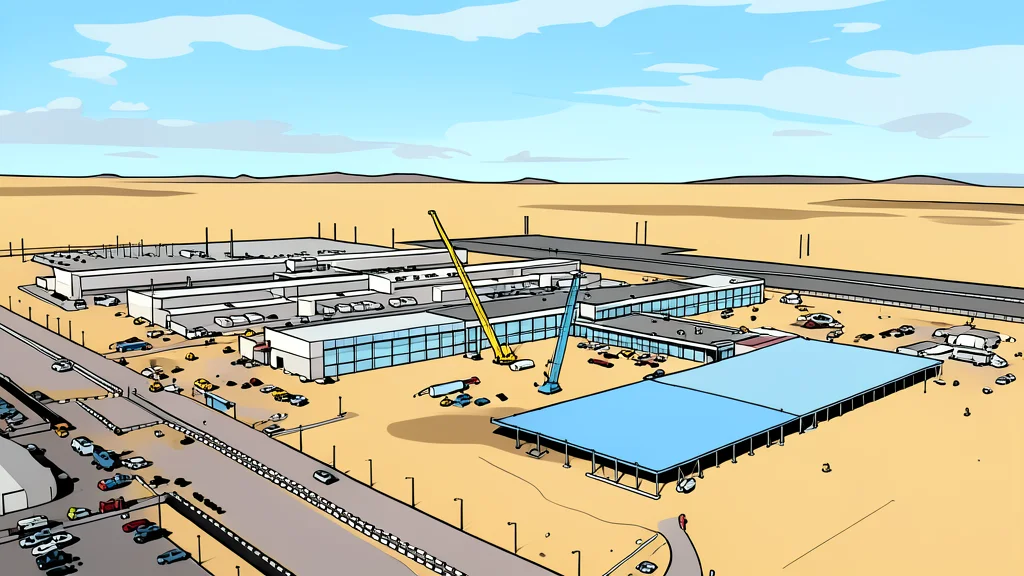
Tech giants are bypassing traditional insurers to manage the massive financial risks of building AI infrastructure, a shift that is rapidly reshaping the global insurance market.
The construction of massive artificial intelligence data centers is triggering a significant shift in how large corporations handle financial risk. Rather than relying on third-party insurers, many tech companies are adopting captive insurance models, where they establish their own internal insurance entities. This approach allows firms to retain risk internally and reinvest premiums, a strategy previously common in high-risk industries like oil and gas but now becoming standard for digital infrastructure.
According to Marsh, the world’s largest insurance broker, this trend is leading to what can be described as explosive growth in the use of captives for data center portfolios. The sheer scale of these facilities often exceeds the capacity of traditional insurers, particularly when construction takes place in regions prone to natural disasters such as tornadoes, floods, and droughts. By managing these risks in-house, companies can avoid the uncertainty of external market pricing and gain greater control over their financial exposure.
Shifting from Cost Center to Profit
One of the primary drivers for this change is the financial efficiency of captive structures. In a traditional model, insurance premiums are a sunk cost, paid out to an insurer with no return on investment. With captives, unused premium funds can be reinvested, potentially turning an expense into a source of profit. AM Best, an insurance credit rating firm, estimates that US-based captives have generated over $8 billion in savings for their parent companies over the last five years, highlighting the significant economic impact of this model.
Despite these benefits, the strategy carries inherent trade-offs. By retaining risk internally, companies assume full responsibility for catastrophic losses that might otherwise be spread across a broader insurance pool. This requires substantial capital reserves and sophisticated risk management capabilities. For firms that have paid high premiums for years without making claims, the appeal of keeping that money within the corporate structure is strong, but it demands a higher level of financial resilience and strategic oversight.
Innovative Solutions for Uninsurable Risks
Some projects are so large and risky that they fall outside the scope of standard insurance markets entirely. A notable example is Meta Platforms’ Hyperion data center campus, which was described by S&P Global Ratings as beyond fully insurable. To address this, Meta created a specialized financial structure involving a special purpose vehicle and a guarantee for bondholders. This innovative approach allowed the project to secure financing despite the extreme risk profile, demonstrating how the boundary between insurance and finance is blurring in the AI sector.
The global captive market is already substantial, with over 6,000 entities writing approximately $240 billion in premiums, a figure that has grown by nearly a fifth in just two years. Industry experts note that rising loss severity is pushing clients to take on more of the bottom layer of risk themselves. As AI infrastructure continues to expand, the demand for these self-insured solutions is expected to grow, fundamentally altering the relationship between technology companies and the insurance industry.
Global Impact on Insurance Markets
This trend is not limited to a single region or company type. According to data compiled by Captive Review, the growth in captive insurance is steady and nearly uninterrupted, driven by the need to manage increasingly complex risks. Marsh, which manages around 1,900 captives for corporate clients, reports that only a fraction of the premium written is used to buy reinsurance for major risks, indicating a strong preference for internal retention. This shift is reshaping the global risk landscape, with implications for how insurance products are priced and distributed.
The move toward captive insurance reflects a broader strategic decision by large corporations to optimize their balance sheets and reduce dependency on external markets. While this offers financial flexibility, it also requires a deep understanding of risk management and regulatory environments. As the AI sector continues to drive capital expenditure, the ability to self-insure will likely become a key competitive advantage for major tech players, as reported by GN technics/ai (en-US).