Parents Use AI to Decode Complex Pediatric Symptoms
A mother’s intuition led her to an unexpected diagnostic aid when traditional medical routes stalled.
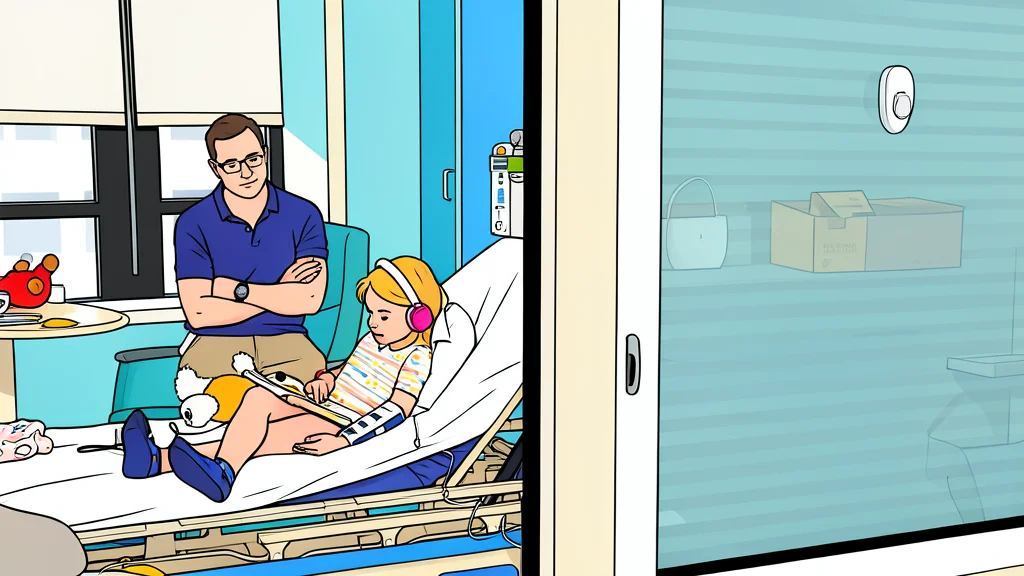
Hilary Eaton was in the middle of a virtual work meeting when her phone buzzed with a new test result for her five-year-old daughter, Olivia. For years, Olivia had suffered from persistent symptoms that baffled doctors: she struggled to sit up as an infant, rarely slept through the night, and suffered from wounds that healed slowly. While a connective tissue disorder had been diagnosed, it did not explain why she was ill so frequently. Eaton’s gut feeling that something was wrong persisted despite medical reassurance that her daughter’s frailty was likely due to isolation during the pandemic.
The new lab results confirmed her suspicion. Several key numbers regarding antibody levels were significantly lower than expected for a healthy child. Overwhelmed and unable to reach her daughter’s doctor immediately, Eaton turned to a tool she used daily at work. As a scientist in the biotech industry, she and her husband were familiar with artificial intelligence. She decided to feed Olivia’s symptoms and lab data into a chatbot, asking for possible diagnoses. This move reflects a growing trend where patients are using AI to interpret medical information, driven by a need for immediate answers when standard care feels slow or incomplete.
Surge in AI health inquiries
The use of large language models for personal health questions has become widespread. A recent survey by the Pew Research Center indicates that one in four Americans now uses AI chatbots to diagnose symptoms. A similar percentage uses these tools to better understand information provided by healthcare providers. This shift is not limited to patients. According to an American Medical Association survey, about 80 percent of physicians now use AI for their work, marking the fastest adoption of new technology in medicine in recorded history.
Ashley Alexander, vice president of Health Products at OpenAI, notes that more than 300 million people ask ChatGPT health-related questions every week. Dr. Adam Rodman, director of AI programs at Beth Israel Deaconess Medical Center, describes the proliferation as unprecedented. The technology has moved from being a niche interest to a ubiquitous part of both patient and provider interactions, fundamentally changing how medical information is accessed and interpreted.
Risks of automated diagnosis
Despite its popularity, relying on AI for medical advice carries significant risks. These systems can hallucinate, generating plausible but incorrect information. In some severe cases, patients have acted on erroneous advice, refusing recommended treatments or making dangerous decisions based on chatbot responses. There have even been lawsuits alleging that interactions with AI led to tragic outcomes, including suicide. Experts emphasize that while chatbots can be helpful tools, they must be used with caution and should never replace professional medical judgment.
Balancing intuition with data
Eaton’s experience highlights the delicate balance between patient intuition and technological assistance. By providing specific data points to the AI, she sought to bridge the gap between her concerns and the available medical evidence. However, the catch is clear: AI lacks the contextual understanding and ethical responsibility of a human doctor. Patients must remain aware of privacy policies and the limitations of these platforms. As reported by GN technics/ai (en-US), the trajectory of AI in healthcare is moving rapidly, but the trade-off between speed and safety remains a critical concern for families navigating complex diagnoses.