AI Drives Data Storage to Top of Infrastructure Priorities
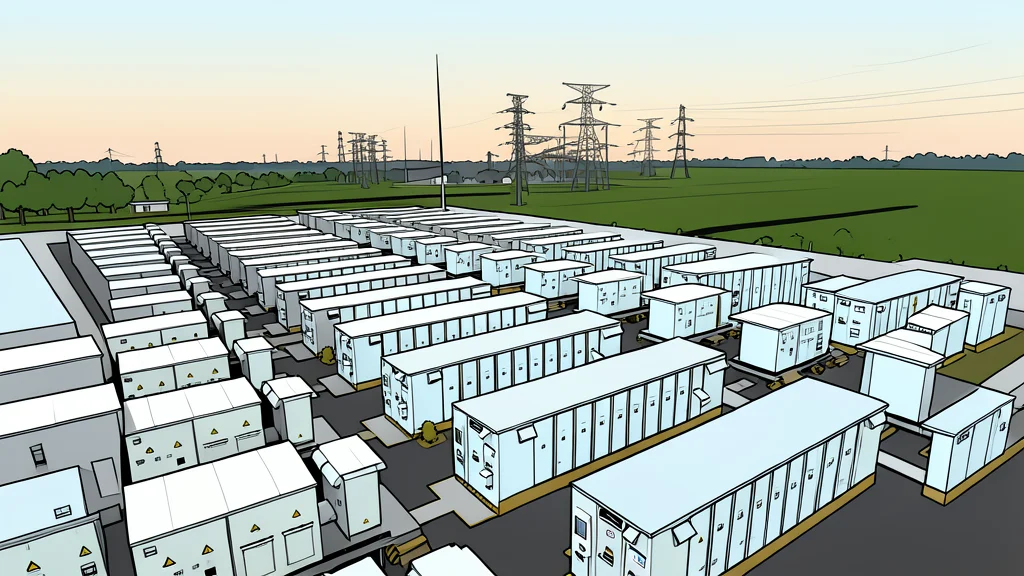
Artificial intelligence is shifting the focus of data centers from raw computing power to the critical task of storing and managing vast amounts of data.
The rapid expansion of artificial intelligence is fundamentally changing how businesses view their digital infrastructure. While much attention has focused on processing power, a new trend indicates that the ability to store and manage data is becoming the primary bottleneck for AI adoption. This shift is moving storage from a background utility to a central strategic concern for enterprises worldwide.
A recent report by Seagate reveals that nearly all IT leaders expect their storage needs to grow significantly in the coming years. Despite this clear expectation, a significant portion of organizations admit they are not fully prepared for the long-term demands. The gap between ambition and readiness highlights a major challenge in scaling AI technologies effectively.
Data Quality Overcomes Compute Shortages
Contrary to common belief, the main obstacle to deploying AI is often not a lack of processing speed. Instead, data quality and readiness are cited as leading hurdles by more than half of surveyed organizations. Storage infrastructure challenges also rank high, surpassing concerns about energy constraints or compute availability. This suggests that getting data into the right format and location is harder than simply calculating with it.
The commercial value of AI is driving these infrastructure upgrades. Most organizations have already seen measurable returns on their AI spending, which intensifies the need for robust data foundations. As data volumes grow, the value derived from that data increases, making efficient storage and access essential for maintaining profitability.
Sustainability Shapes Infrastructure Decisions
Environmental concerns are now central to how data centers are built and operated. A large majority of companies have delayed or restructured their AI infrastructure plans due to sustainability and energy issues. AI-driven energy consumption and carbon emissions are top environmental worries, pushing organizations to prioritize efficiency over simple expansion.
Extending the lifecycle of existing hardware is seen as a key strategy for improving sustainability. Most respondents believe that making infrastructure decisions more durable and efficient will help reduce environmental impact. This approach aligns with the broader goal of creating lasting value from AI investments without excessive resource consumption.
Strategic Shift in Corporate Priorities
Data center investment is now ranked among the top three infrastructure priorities for most companies. This reflects a growing recognition that data availability and retention directly impact AI performance. Treating data infrastructure as a business strategy, rather than just a technical utility, is becoming essential for companies aiming to create long-term value from AI.