Americans Seek Limits on New AI Data Centers
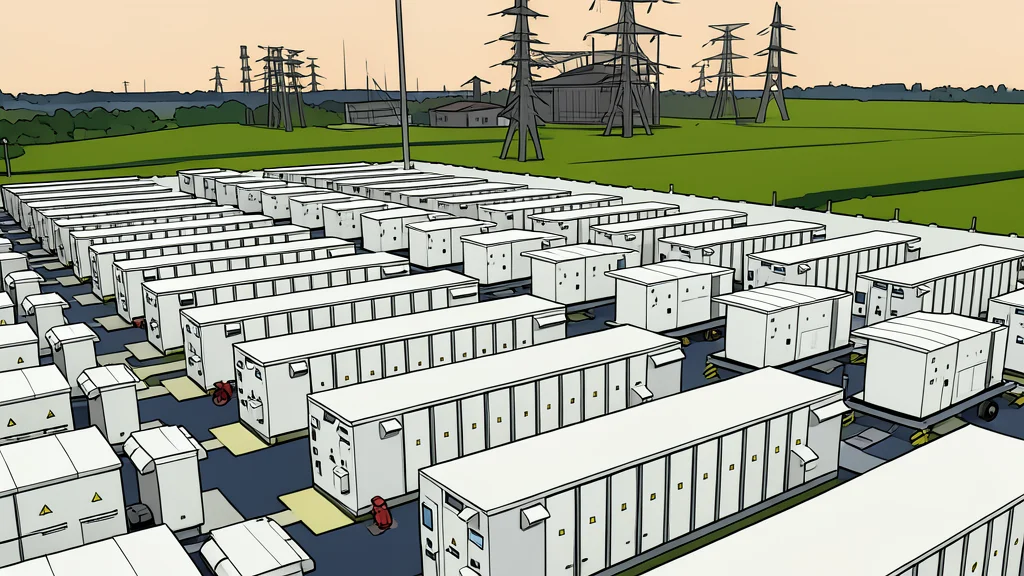
A recent survey highlights a rare bipartisan consensus: most Americans want to slow the rapid expansion of artificial intelligence infrastructure due to environmental and resource concerns.
Despite deep political divides on many issues, a significant majority of Americans agree that the construction of new data centers should be restricted. This sentiment cuts across party lines, with majorities of both Democrats and Republicans supporting limits on the industry's growth. The drive for regulation stems from growing anxiety over the environmental footprint of the massive facilities required to power artificial intelligence, a concern that has intensified sharply over the past year.
Data from the Associated Press-NORC Center for Public Affairs Research shows that 53% of U.S. adults are now extremely or very concerned about the environmental effects of AI, up from 41% last year. While Democrats show the highest level of concern, the issue is no longer exclusive to one side of the aisle. The core of the dispute is not necessarily opposition to technology itself, but rather the physical reality of housing it: a surge in energy consumption and water usage that local communities are ill-equipped to handle.
Rural communities face the heaviest burden
While existing data centers are predominantly located in urban areas, new construction is shifting toward rural landscapes. A Pew Research Center analysis indicates that most planned facilities are targeting these communities, often without adequate local consultation. Residents in these areas report feeling that decisions are being made for corporate profit rather than community well-being, leading to a sense of displacement in regions previously unaccustomed to heavy industrial infrastructure.
The catch for these rural areas is the strain on local resources. Data centers require enormous amounts of water for cooling and electricity for operation. In communities where agriculture and residential use already compete for limited supplies, the addition of hyperscale computing facilities has sparked legitimate fears over reduced access to essential utilities for local residents and farmers.
Resource strain drives public opposition
Public concern is not abstract; it is driven by tangible impacts on daily life. Most Americans express high worry about how these facilities affect local electricity prices and municipal water supplies. The trade-off is clear: while data centers promise economic growth and technological advancement, they impose immediate costs on local infrastructure. For many, the disruption to stable energy rates and reliable water access outweighs the long-term benefits of increased computing power.
Industry defends economic benefits
Industry representatives argue that the expansion is necessary to keep the United States competitive globally. Executives at the Data Center Coalition emphasize that these facilities create jobs and provide the tangible benefits of a robust digital economy. They contend that the industry operates responsibly and that the economic gains justify the resource consumption, framing the data centers as vital infrastructure rather than an environmental liability.
However, the political reality remains complex. While the industry highlights economic upside, the public increasingly views the environmental downside as a critical risk. The consensus on limiting new construction suggests that policymakers may face pressure to enforce stricter regulations on energy and water usage, regardless of the partisan makeup of their legislatures.