AI Labs Pivot to Smaller Data Centers for Speed
Anthropic and OpenAI are seeking smaller, faster-to-deploy compute facilities to meet rising demand for AI services, shifting focus from massive training clusters to distributed inference networks.
Anthropic and OpenAI are actively exploring agreements for smaller data center facilities, marking a strategic shift in how major AI labs secure computing power. While both companies have previously locked in massive, multi-year deals for gigawatt-scale infrastructure, sources indicate they are now looking for capacity in the range of 20 to 30 megawatts. This move aims to address the immediate need for usable computing resources as the industry expands rapidly.
The interest in these smaller deployments is concentrated in regions such as the United Kingdom, the Nordics, and the United States. According to reports from CNBC, these smaller deals allow the companies to deploy workloads more quickly than waiting for the completion of enormous new construction projects. The primary driver is the need to serve existing user demands efficiently while managing the logistical challenges of large-scale infrastructure.
Speed over massive scale
Large data center projects often face significant delays due to local community pushback, land availability, and power constraints, particularly in Europe. Smaller facilities, often located at existing powered sites, offer a practical alternative by providing access to capacity within months rather than years. Jabez Tan, head of research at Structure Research, noted that securing a few megawatts at an established location is often more practical than waiting for a large block in a single location.
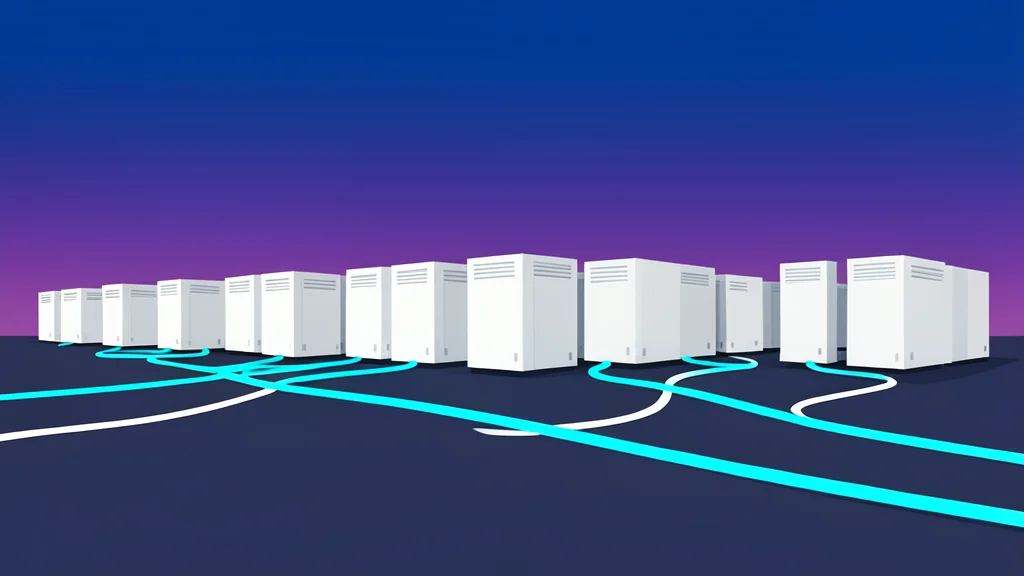
This approach allows companies to build a diversified compute portfolio. Instead of relying on a single massive site, AI labs can aggregate capacity from multiple smaller locations. This strategy mitigates the risks associated with supply chain bottlenecks and regulatory hurdles, ensuring a steady flow of computing power to end users. The trade-off is the complexity of managing distributed infrastructure, but the speed gain is considered worth the effort.
Shifting focus to inference workloads
The pivot to smaller data centers aligns with a broader change in how AI is used. Training large models requires massive clusters of chips working in close proximity, but serving those models to users, a process known as inference, can be distributed across smaller clusters. As more AI capacity moves from training to production serving, the demand for distributed infrastructure grows. This shift means that the total amount of data center capacity used for inference is expected to rise significantly.
A report by real estate company JLL projects that inference workloads will overtake training workloads in terms of data center capacity usage by 2027. In 2025, inference accounted for 9% of global workloads, compared to 14% for training. By 2030, inference is projected to use 37% of that capacity. This trend supports the strategy of utilizing smaller, geographically dispersed data centers to handle the day-to-day processing of AI requests.
Trade-offs in distributed computing
While smaller deals offer speed and flexibility, they come with their own set of challenges. Managing multiple sites requires robust network connectivity to ensure seamless data flow between clusters. The cost per megawatt may vary, and the reliability of different sites must be carefully assessed. OpenAI has stated that they evaluate opportunities based on requirements, performance, reliability, timing, and cost, rather than just size.
As the AI industry matures, the focus is shifting from simply building the largest possible data centers to optimizing for efficiency and deployment speed. By combining large-scale training facilities with smaller, distributed inference nodes, AI labs can create a more resilient and responsive infrastructure. This hybrid approach allows them to meet the growing global demand for AI services without being held back by the slow pace of massive construction projects.