AI Moves from Concept to Cab in Farm Machinery
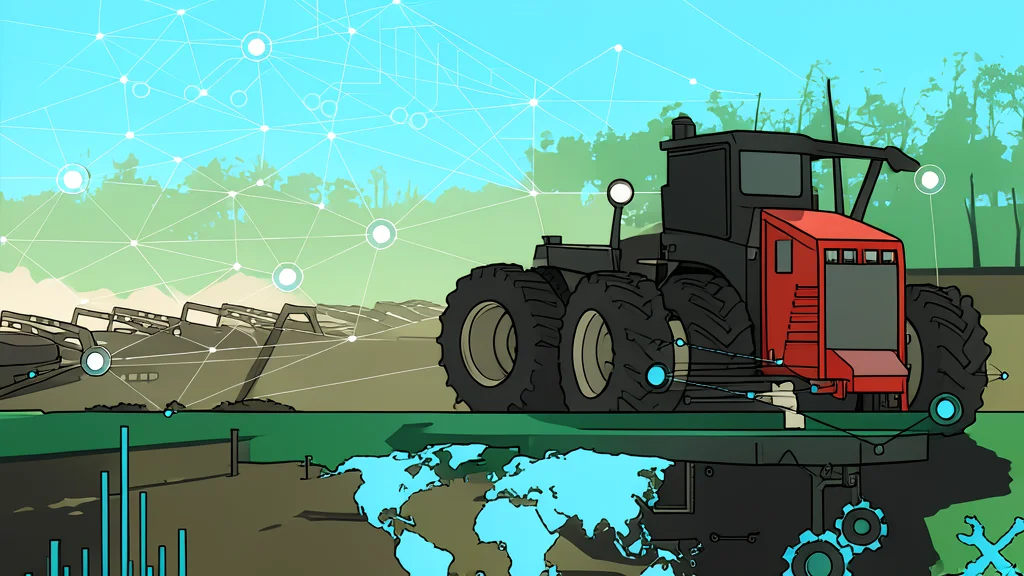
Agricultural manufacturers are embedding artificial intelligence into tractors and harvesters to help farmers manage complex operational challenges with limited resources.
Artificial intelligence is no longer a distant concept for most farmers. It is being integrated directly into the cabs and control systems of modern agricultural equipment. This shift is driven by a need to improve productivity and efficiency in an industry facing rising operational costs and tighter margins. Manufacturers are moving beyond simple automation to introduce systems that can interpret field conditions and assist in decision-making in real time.
The Association of Equipment Manufacturers recently outlined how these technologies are evolving. The report categorizes AI integration into three distinct levels, ranging from basic assistance to high-level autonomy. This framework helps clarify what the technology can actually do today versus what remains under development. It also highlights the industry’s focus on safety standards and responsible deployment to ensure these tools are reliable for daily farm work.
Three levels of machine intelligence
The first category is assist-level AI, which keeps the human operator firmly in control. These systems handle repetitive tasks like steering guidance or adjusting implement depth, reducing physical fatigue and error. The second level, advise-level AI, analyzes large datasets from the machine and the field to offer recommendations. This helps farmers make informed choices about inputs and timing based on current conditions rather than historical averages.
The third and most advanced level is act-level AI, where machines perform tasks with significant autonomy. Examples include targeted spraying that adjusts coverage based on plant density or fully autonomous field operations. While this reduces the need for direct intervention, it also raises questions about oversight and safety, which the industry is addressing through new governance practices.
Practical benefits for resource management
For the average farm, the value of these systems lies in better resource allocation. By identifying patterns in equipment performance and field conditions, AI-enabled machinery can help reduce waste in labor, fuel, and crop inputs. This is critical as global food demand grows and farmers are pressured to produce more with fewer available resources. The technology aims to turn raw data into actionable steps that support farm-level resilience.
Trade-offs in adoption and safety
However, the integration of AI is not without trade-offs. Higher levels of autonomy often come with higher costs, and the reliance on digital data introduces new vulnerabilities regarding connectivity and software updates. The Association of Equipment Manufacturers emphasizes that responsible deployment requires robust safety frameworks and interoperability standards. Farmers must weigh the potential efficiency gains against the complexity of managing these increasingly sophisticated digital systems.
According to GN technics/ai (en-US), the industry is working to ensure that these advancements contribute to a stable food system without compromising safety. As manufacturers continue to develop more autonomous machinery, the focus remains on making these tools practical and trustworthy for the diverse challenges of modern agriculture.