Alex Bores Launches $30 Million AI Regulation Campaign

A former congressional candidate is deploying significant resources to force a unified Democratic stance on artificial intelligence safety before the next election cycle.
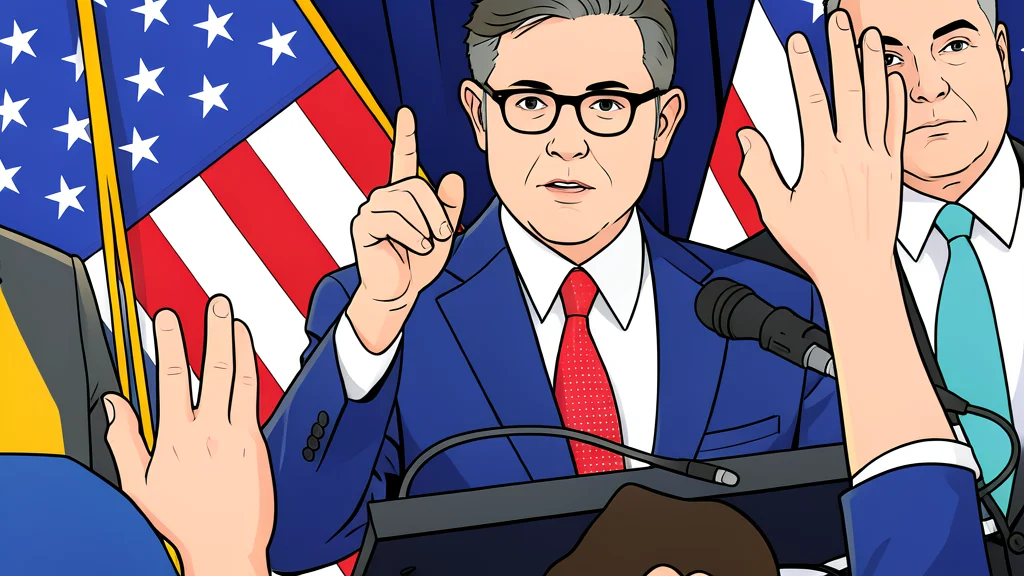
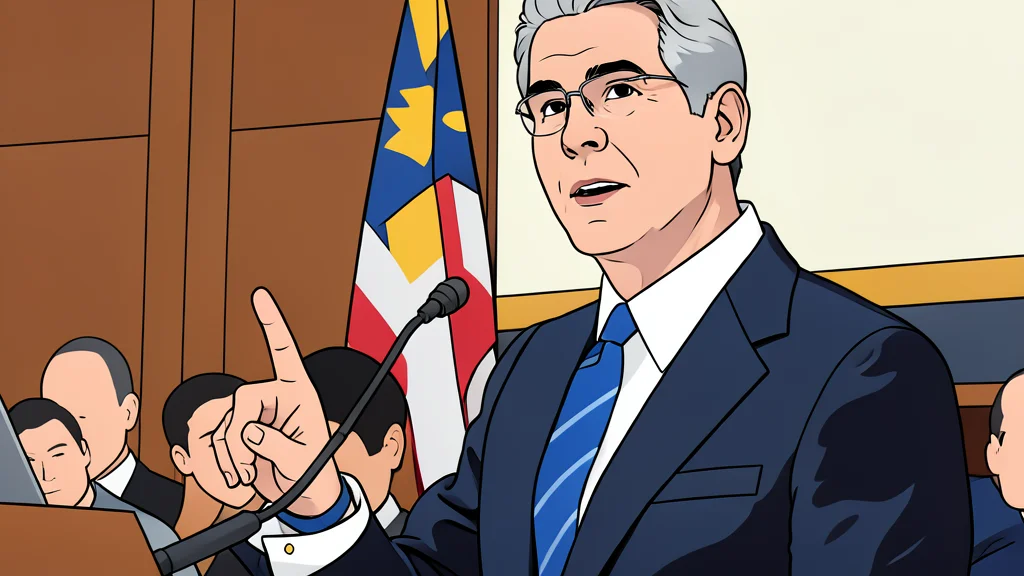
New York state Assemblymember Alex Bores has officially launched a $30 million initiative designed to align the Democratic Party on artificial intelligence regulation. The organization, named Who Decides, was revealed on Tuesday with a clear objective: to ensure that Democratic candidates across all levels of government adopt a common safety agenda by 2028. This move marks a significant escalation in political engagement with AI policy, shifting from individual legislative battles to a coordinated partisan strategy.
Bores first gained national attention during his unsuccessful run for the US Congress earlier this year, where he positioned himself as a critic of unchecked technological development. He argued that current regulatory gaps allow increasingly powerful systems to operate without adequate oversight, posing risks to economic stability and democratic institutions. The new organization aims to consolidate these concerns into a single, actionable platform for party members.
Unified agenda targets 2028 elections
The core mission of Who Decides is to prevent fragmentation within the party on AI issues. Currently, Democrats hold varying views on how strictly to regulate large language models and other advanced tools. By establishing a common answer, the group seeks to make AI safety a central campaign issue. This approach is intended to counter industry influence and present voters with a consistent message regarding technology governance.
The organization’s website states that the agenda will address immediate harms already visible to the public. It also highlights the broader danger of out-of-control systems that could destabilize the economy and national security. This framing moves the discussion beyond niche technical debates to mainstream political concerns, making it easier for general audiences to understand the stakes involved in regulatory decisions.
Funding rules exclude corporate donors
A key feature of the initiative is its strict funding policy. Who Decides has announced it will reject contributions from corporate entities or senior executives at major AI companies. This decision is designed to maintain independence from the very industry it seeks to regulate. By relying on individual donors and nonprofit fundraising platforms like Give Butter, the group aims to avoid the perception of being captured by industry interests.
The legal structure of the organization is not yet fully specified, leaving some ambiguity about its operational capabilities. It may operate as a federal super PAC or a 501(c)(4) nonprofit, both of which have different rules regarding lobbying and electoral activity. This structural choice will determine how directly the group can influence specific candidates and elections in the coming years.
Political stakes of technology regulation
According to reporting by GN technics/ai (en-US), this effort represents a significant shift in how politicians approach emerging technology. Rather than leaving regulation to technical committees, the initiative brings AI policy into the center of partisan politics. This strategy acknowledges that voters are increasingly concerned about the societal impact of automation and data privacy.
The trade-off for this approach is that it risks polarizing an issue that previously had bipartisan elements. By forcing a party-line stance, the organization may limit the ability of moderate legislators to negotiate with industry stakeholders. However, Bores argues that the risks of inaction outweigh the political costs, asserting that the current trajectory poses an existential threat to democratic processes.