China's Robot Dancers Face Strict Limits in AGT Final
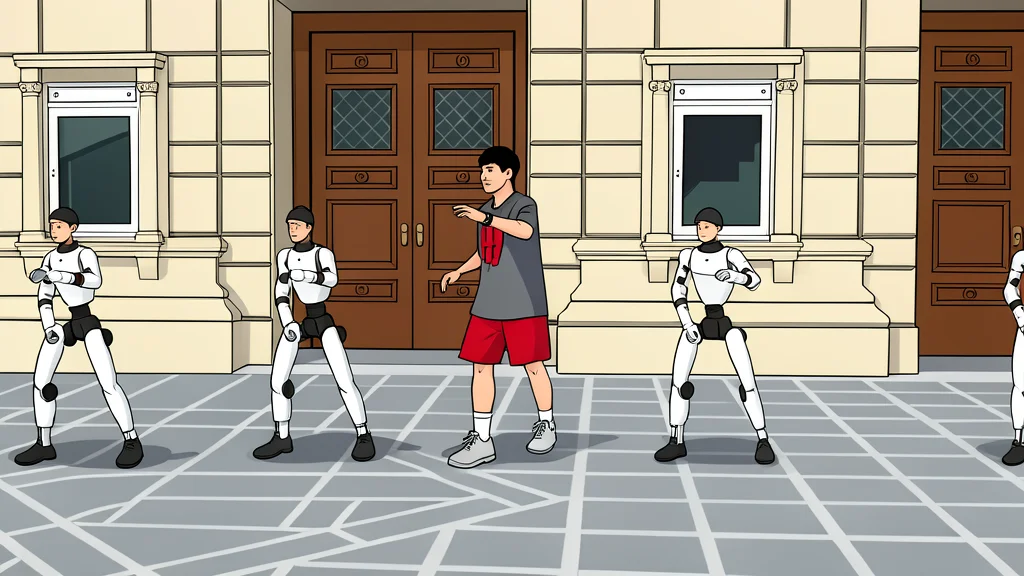
A Chinese street dancer and Unitree robots enter America's Got Talent, but their routine is scripted and lacks improvisation.
Key points
- Wu Yufei and Unitree robots are entering the America's Got Talent final after months of joint training.
- Robot routines are strictly scripted and cannot improvise, limiting their ability to adapt to live music changes.
- China dominates global humanoid robot shipments, with the market expected to reach $2 billion this year.
Wu Yufei, a 27-year-old street dancer from Sichuan, is preparing for the final of America's Got Talent with a group of humanoid robots. This marks a significant shift in his career, as he usually performs solo, but this time he is collaborating with machines built by the Chinese robotics firm Unitree.
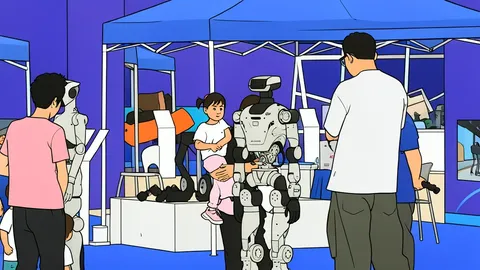
The performance is part of a broader trend in China where robot dancing has become a cultural phenomenon. After a viral appearance at the Spring Festival gala, businesses and event planners have rushed to hire these machines, turning them into a popular form of public entertainment.
Choreography Requires Extensive Technical Tuning
Creating a routine for robots is not just about dance; it is a complex engineering task. Engineers must capture human movements, run simulations, and transfer the data to the machines. A simple thirty-second sequence can take days or even weeks to perfect, requiring constant fine-tuning by technical teams.
Choreographers must adapt their designs to the physical limits of the hardware. Movements that rely on precise motor power, such as spins, are manageable, but actions requiring deep body flexibility are often impossible. Consequently, routines are designed to avoid moves that might look like errors or failures.
Robots Cannot Improvise On Stage
A major trade-off in this collaboration is the lack of spontaneity. Unlike human dancers who can adjust to a sudden change in music, robots operate on scripted playback. They cannot make on-the-spot decisions or react to unexpected changes in the audio track, making the performance rigid.
Wu Yufei acknowledges this limitation, noting that while the robots feel like team members after months of training, they remain machines bound by pre-programmed sequences. The magic of the performance relies on the seamless integration of human artistry and mechanical precision, rather than genuine creative dialogue.
Entertainment Serves As A Market Test
Industry insiders view these high-profile performances as a way to demonstrate the reliability and capability of their hardware. While the public sees entertainment, companies like Zeroth see an opportunity to showcase their technology to a global audience. This visibility is crucial for attracting investment and proving commercial viability.
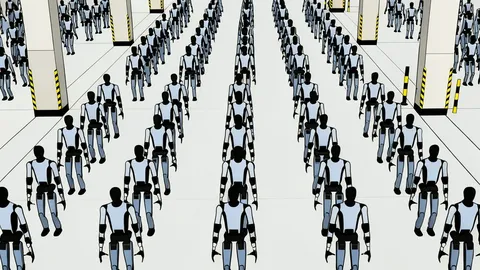
According to a report by Morgan Stanley, China's humanoid robotics market is projected to reach two billion dollars this year. Chinese manufacturers account for over 97 percent of global shipments in the first half of 2026, yet many firms are still searching for practical uses beyond the stage, as reported by Yahoo.