Resident Evil Film Mirrors Game Mechanics over Lore

The new Resident Evil movie captures the feel of gameplay rather than retelling the story, offering a unique twist for fans and newcomers alike.
Key points
- The 2026 Resident Evil film focuses on emulating gameplay mechanics rather than retelling game lore.
- Director Zach Cregger uses alternating first- and third-person perspectives to mimic the player's view.
- The film features graphic gore and dark comedy, appealing to both gamers and general audiences.
Director Zach Cregger’s latest film, the 2026 adaptation of the Resident Evil video game series, prioritizes the sensation of playing the game over reciting its backstory. As reported by The Daily Mississippian, this approach distinguishes the movie from previous live-action attempts by focusing on the player’s perspective rather than the narrative lore.
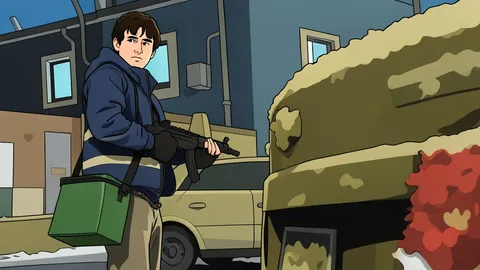
The story follows Austin Abrams as Bryan, a medical courier who becomes trapped in the fictional town of Raccoon City during a viral outbreak. In a 90-minute runtime that unfolds in real time, the film maintains a steady pace that mirrors the point-A-to-point-B structure familiar to survival horror gamers.
Cinematography mimics gameplay perspective
Cregger’s direction closely emulates the visual language of horror video games. Scenes frequently alternate between third-person and first-person viewpoints, replicating the tense experience of sweeping a room with a flashlight. This stylistic choice makes the film accessible to viewers who have never played the games, as it relies on visual cues rather than established character history.
The protagonist’s demeanor reflects that of a frustrated player. Bryan’s dialogue consists largely of mumbled curses and irreverent commentary, capturing the exhausted cadence of someone who has likely died multiple times in the game. This relatability serves as a bridge for audiences unfamiliar with the source material.
Gore effects honor game physics
The film’s violence is intentionally graphic and physically grounded, mirroring the gore effects seen in the games. Creature designs are described as hilariously disgusting, with transformation scenes reminiscent of David Lynch’s Eraserhead. These sequences utilize slow camera movements and ominous scoring to create a sense of dread that aligns with the game’s aesthetic.
Repetitive middle and abrupt ending
The film does have trade-offs. The middle section can feel repetitive due to the nature of small-space exploration and scattered jumpscares. Additionally, the abrupt ending may disappoint some viewers, though it recontextualizes the events by treating Bryan as a background character in a larger horror world.
Despite these elements, the movie stands out in a market saturated with video game adaptations. Its commitment to capturing the mechanics of gameplay rather than relying on fan service offers a fresh perspective. For both dedicated fans and casual viewers, the film provides a unique cinematic experience that balances gruesome horror with dark comedy.