HKC Enters Flexible OLED Market with Pilot Line Shipments
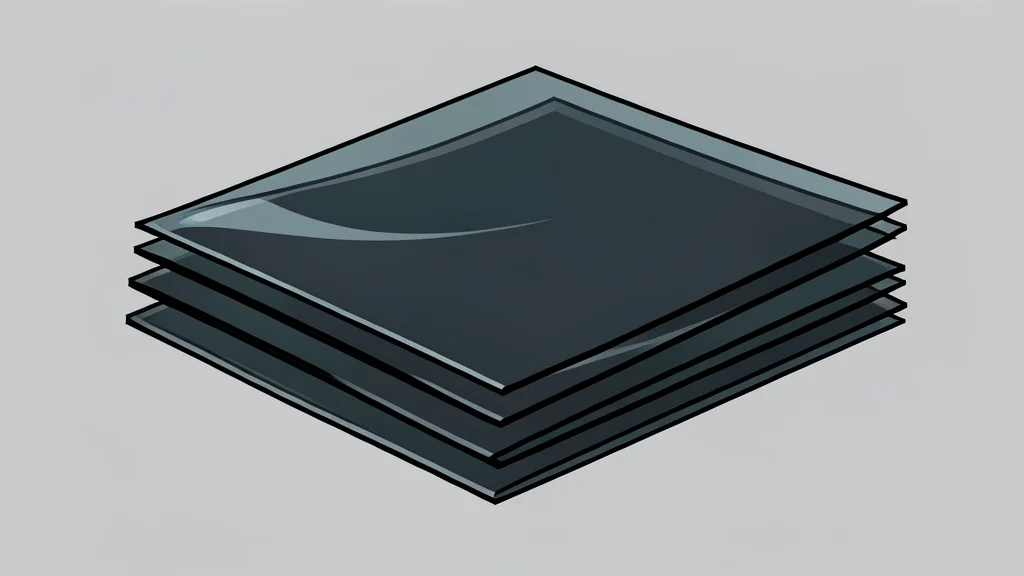
HKC has shipped its first batch of flexible smartphone OLED panels from a newly acquired production line in Shenzhen. This move marks the company's entry into a specialized segment of the display industry, though with significant limitations.
Shenzhen-based display manufacturer HKC has announced the shipment of its first commercial batch of flexible OLED panels intended for smartphones. These panels were produced at the H6 line, a 5.5-generation facility that HKC acquired from Royole in early 2025. While the company frames this as a major strategic milestone, the scale of production remains modest.
According to oled-info.com, the H6 line is not currently configured for high-volume mass production. Instead, HKC is treating the facility primarily as a research and development hub. The initial shipments are low in quantity, serving more as a proof of concept and a way to establish supplier relationships rather than a direct challenge to dominant market players.
Strategic Focus on Supply Chain Development
The primary goal of operating the H6 line is to cultivate the necessary supply chain infrastructure. By producing these panels now, HKC is testing materials, refining manufacturing processes, and building trust with potential customers. This approach allows the company to mitigate risks before committing to larger capital expenditures for a full-scale production line.
This pilot-phase strategy is a common tactic for new entrants in the semiconductor and display sectors. It allows manufacturers to validate their technology in a real-world setting without the financial pressure of meeting massive monthly output quotas. For HKC, this period is critical for ensuring that their flexible OLED technology meets the reliability and performance standards expected by smartphone manufacturers.
Limited Capacity Constrains Market Impact
The trade-off for this cautious approach is limited market share. Because the H6 line has restricted capacity, HKC cannot yet compete on volume with established giants like Samsung Display or LG Display. The panels produced here are niche, serving only a small fraction of the global demand for flexible screens.
Consequently, consumers should not expect a sudden surge in affordable flexible OLED devices from HKC-branded products in the near term. The technology is proven, but the economic model for mass adoption is still in its infancy. The company must first demonstrate consistent yield rates and cost efficiency before it can expand its footprint significantly.
Entry Into Competitive Display Club
Despite the low volumes, this shipment represents a symbolic victory for HKC. It joins a small group of companies capable of manufacturing flexible AMOLED panels, a technology that requires precise control over organic materials and glass bending. This capability diversifies HKC's portfolio beyond its traditional LCD business.
The success of this pilot phase will determine HKC's next steps. If the yield rates and customer feedback are favorable, the company may consider expanding capacity or investing in a newer generation line. Until then, the H6 line remains a specialized asset focused on engineering excellence rather than commercial scale.