Choosing Smart Home Devices that Last
Investing in smart home technology often means worrying about obsolescence. New standards like Matter and Thread are changing the game by allowing devices from different brands to talk to each other, but hardware quality and local control capabilities still matter for long-term reliability.
Building a smart home is a significant financial commitment, yet many devices become outdated or incompatible within a few years. This frustration is driving a shift toward products that prioritize longevity over short-term novelty. According to bgr.com, the key to a future-proof setup lies in choosing devices that support open communication standards, offer local control, and have robust hardware design.
Protocols like Matter and Thread are reducing the need to stay locked into a single manufacturer's ecosystem. However, these standards alone do not guarantee a device will remain useful. Factors such as the ability to function without internet access and the quality of the physical components are equally critical for ensuring your investment remains relevant for years to come.
Reliable Locks Beyond the Cloud
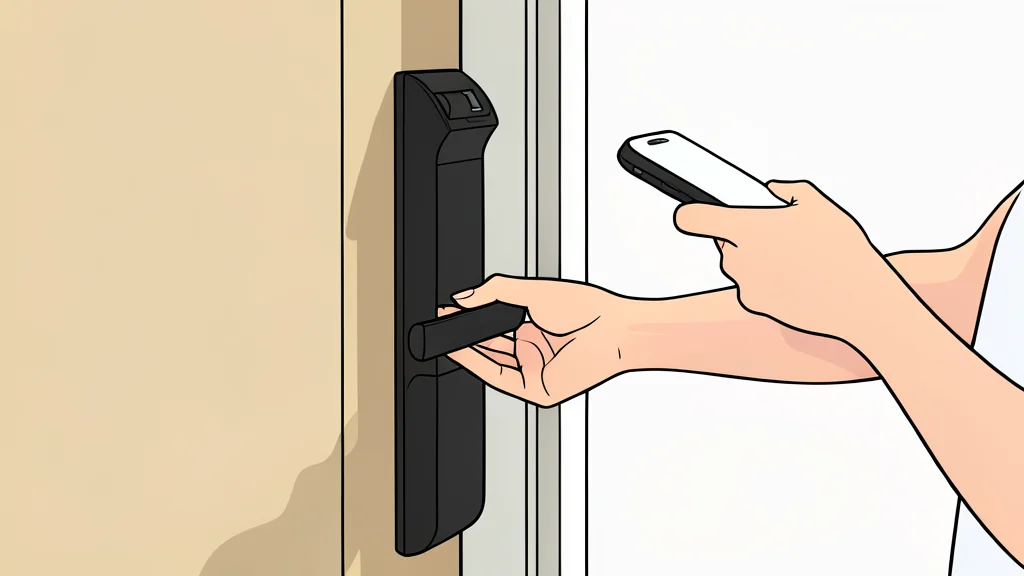
Smart locks are a prime example of where offline capability matters. The Schlage Sense Pro Smart Deadbolt is highlighted for its ability to function via Bluetooth and codes even when Wi-Fi fails. This independence ensures that a temporary internet outage does not lock you out of your own home.
The device also utilizes Ultra Wideband technology to accurately detect when an authorized user is approaching the door. With support for up to 250 access codes and Thread connectivity, the lock is designed to integrate with various ecosystems, reducing the risk of becoming obsolete if you switch voice assistants or platforms in the future.
Local Processing Extends Device Life
Central hubs play a crucial role in bridging old and new technology. The Aqara Hub M3 stands out by acting as a Matter controller, Thread border router, and Zigbee bridge. This versatility allows it to manage a diverse range of devices without forcing users to abandon their existing equipment.
A significant advantage of this hub is its emphasis on local processing. Many automations can continue to run even if the internet connection drops or cloud servers experience issues. The inclusion of Ethernet with Power over Ethernet, dual-band Wi-Fi, and encrypted local storage further enhances its stability and long-term usability.
Software Updates Keep Hardware Relevant
For lighting enthusiasts, the Philips Hue Bridge Pro offers a path to longevity by supporting older Hue products alongside newer Matter-compatible devices. This backward compatibility allows users to modernize their lighting setup incrementally without replacing every bulb or fixture immediately.
Philips continues to extend the life of its hardware through software updates. Recent features, such as SpatialAware, allow the bridge to understand the physical location of lights and adjust settings accordingly. This approach demonstrates that a well-supported device can gain new capabilities over time, offering better value than hardware that relies solely on initial features.