Kioxia Exceria Pro G2 Offers Balanced PCIe 5.0 Speed
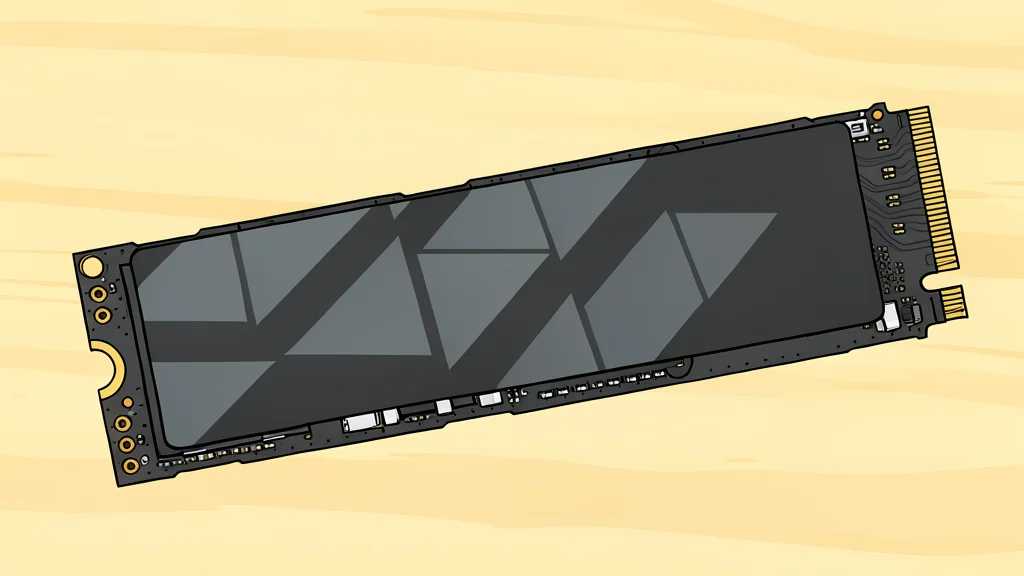
The Kioxia Exceria Pro G2 delivers top-tier storage speeds without the premium price tag, though buyers must navigate limited retail availability in the United States.
Kioxia has released the Exceria Pro G2, a solid-state drive that targets users seeking high-end performance without the highest possible costs. By leveraging its own flash memory manufacturing, the company offers a PCIe 5.0 drive that balances raw speed with long-term reliability. The result is a storage option that feels more like a dependable workhorse than a pure speed demon.
While the drive does not claim the absolute top spot in benchmark charts, it provides a compelling alternative for those who prioritize consistency. The hardware is designed to handle sustained workloads efficiently, keeping heat levels low and power consumption reasonable. This approach ensures that the drive remains stable during heavy use, which is a key factor for users who rely on their systems for professional tasks.
Performance sits near the top tier
According to a review by GN technics/hardware (en-US), the drive achieves sequential read speeds of up to 14,900 MB/s and write speeds of 13,700 MB/s in its largest capacity. These figures place it firmly in the high-performance category, capable of handling large file transfers and demanding applications. The drive also excels in random read latency, which translates to faster boot times and quicker application loading for everyday users.
However, the drive does not outpace every competitor in its class. It trails some direct rivals by a small margin in peak throughput tests. This slight deficit is a deliberate design choice, as Kioxia prioritizes firmware stability and endurance over chasing the absolute fastest numbers. For many users, this trade-off is acceptable, especially when the drive offers a five-year warranty and high endurance ratings of up to 2,400 TBW.
Availability remains a significant hurdle
The main drawback for many potential buyers is limited retail access. Kioxia does not officially distribute the Exceria Pro G2 through major US retail channels. This means that consumers in North America often have to rely on imports or third-party sellers, which can lead to higher prices and variable stock availability. In the European market, the drive is more accessible, with pre-tax estimates suggesting competitive pricing that undercuts some rival products.
For those who can find it, the value proposition is strong. The 2TB model, in particular, appears to be the sweet spot, offering most of the performance benefits of the larger capacities at a lower cost. The drive’s competitive pricing is partly due to Kioxia’s vertical integration, allowing it to control its supply chain more effectively than competitors who rely on external flash suppliers.
Efficiency and thermal management are solid
The Exceria Pro G2 uses a Silicon Motion controller paired with Nanya DRAM and Kioxia’s own BiCS8 flash memory. This combination results in a drive that runs cool and consumes relatively little power during active use. Active power draw stays under 10W, which is helpful for maintaining system stability in compact builds or laptops where heat dissipation is a concern. The efficient design also contributes to the drive’s longevity, as lower thermal stress generally extends the life of electronic components.
In summary, the Kioxia Exceria Pro G2 is a well-rounded storage solution that prioritizes reliability and cost-effectiveness. It is not the fastest drive on the market, but it offers a balanced package that appeals to users who value consistency and long-term support. If you can find it in stock at a reasonable price, it represents a strong choice for high-performance computing needs.