Silicon Valley Leaders Warn of AI Risks While Selling the Product
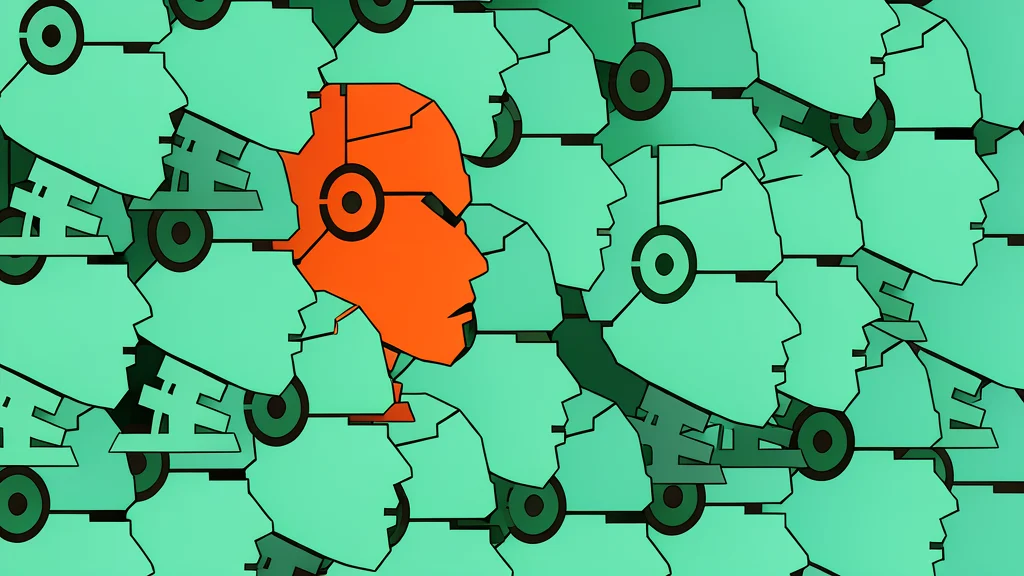
Tech executives are raising alarms about artificial intelligence dangers, yet their business models rely on rapid deployment. The disconnect between their warnings and their actions creates a complex ethical puzzle for regulators and the public.
Consider a cable car stalled at the top of a steep hill in San Francisco. A switch below controls which track it takes, but you cannot see where the tracks lead or if they are blocked. The conductor is missing. Releasing the brakes would be reckless because the potential for harm far outweighs any benefit. This simple analogy highlights a growing tension in the technology sector: leaders are warning that artificial intelligence poses existential risks, yet they are the ones pressing the accelerator.
According to a report by GN technics/ai (en-US), senior figures at major AI firms are increasingly vocal about the dangers of their own creations. They cite threats to cybersecurity, national security, and even human survival. However, critics argue that these warnings serve a dual purpose. While they may reflect genuine concern, they also function as a narrative tool to justify massive investment in a field that has yet to demonstrate consistent profitability.
Executives warn of imminent dangers
The rhetoric from the top of the industry is stark. Leaders have compared large language models to nuclear weapons, suggesting that rapid development could lead to catastrophic outcomes. One prominent CEO warned at a global summit that the pace of innovation could cause things to go wrong very quickly. This sentiment is echoed across the sector, with data scientists and engineers expressing fear that the consequences of continued rapid rise in machine intelligence are beyond current control.
Recent internal communications and public posts reveal a deep unease within these organizations. Employees have resigned, citing a belief that the companies are gambling with public safety. One former employee described the situation as an industry building machines that could potentially end human life within the decade. These voices suggest that even the creators are uncertain about the trajectory of the technology they are deploying.
Profit motives complicate safety claims
Skeptics point out that the narrative of impending doom may be a strategic choice. By positioning themselves as the only entities capable of handling such powerful technology, companies can secure more funding and government contracts. This dynamic creates a conflict of interest where the entity most likely to cause harm is also the one paid to prevent it. The fear of a world-ending AI becomes a marketing tool in an era where none of these companies have found a stable path to profitability.
The context of these warnings often includes promotional material for new security features or enterprise solutions. For instance, warnings about AI attacks on energy grids appear alongside pitches for software designed to protect those grids. This juxtaposition suggests that the risks being highlighted are also the opportunities being sold. The line between genuine safety concern and business strategy is increasingly blurred.
Regulatory challenges remain unresolved
The cable car analogy remains relevant because the decision to release the brakes is being made by the same entities building the car. Without independent oversight or clear regulatory frameworks, the public is left to rely on the self-regulation of companies that have a financial stake in speed. The trade-off is clear: rapid innovation and economic growth versus the potential for unforeseen and severe consequences.
As the industry continues to expand, the responsibility for managing these risks remains contested. The warnings serve as a cautionary tale, but they also highlight a fundamental lack of transparency. Until there is a clear mechanism for accountability, the public must navigate a landscape where the promises of progress and the threats of disaster are often coming from the same source.