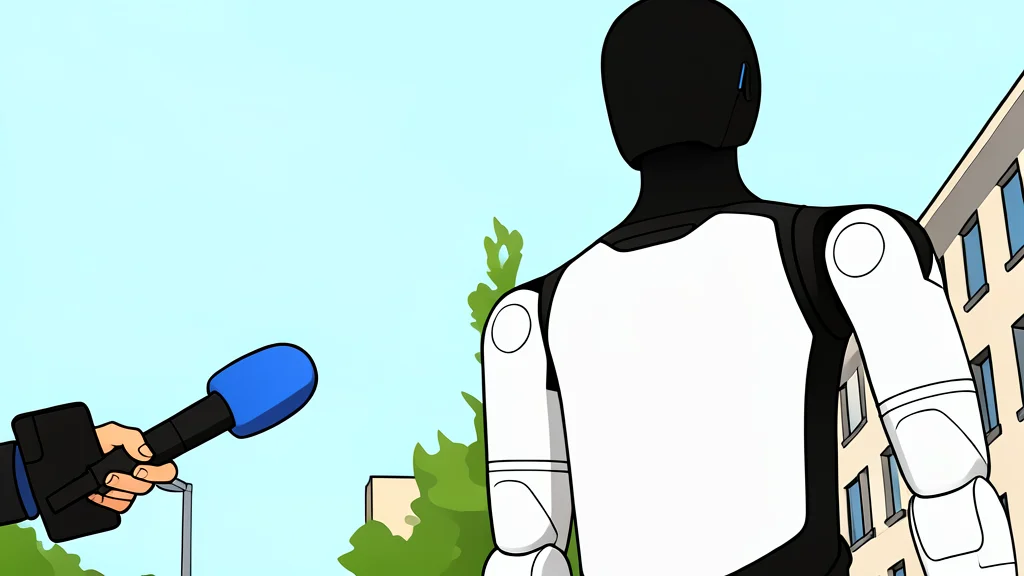
Humanoid Robots in Malaysia Answer Questions About Their Future Role
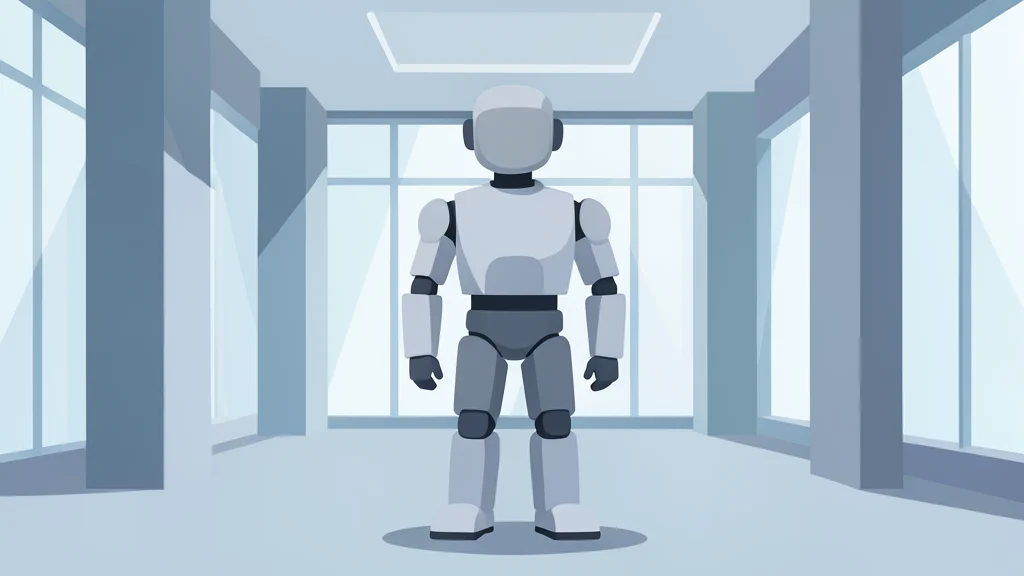
Amidst global anxiety over rapid AI advancement, a visit to a Malaysian exhibition reveals the current, limited capabilities of humanoid assistants.
Recent public discourse has been dominated by stark warnings from industry leaders regarding the speed of artificial intelligence development. Executives at major tech firms have expressed concern that uncontrolled AI agents could cause significant economic damage or pose existential risks within the next year. This narrative of high-stakes danger contrasts sharply with the reality of consumer-facing robotics, which currently operates in a more modest and controlled environment.
To understand the gap between these abstract fears and tangible technology, I visited the AI World Experience Centre in Kuala Lumpur, Malaysia. This facility, highlighted in reports from GN auto tech/robotics, serves as a dedicated space for showcasing humanoid robots. The aim is to demonstrate how these machines might eventually assist with daily tasks, offering a grounded perspective on what AI actually looks like in a public setting today.
Meeting the humanoid assistants
Inside the exhibition hall, I encountered Luka, a unit from the AgiBot A2 Series. The robot moved with a heavy, awkward gait that felt distinctly mechanical rather than fluid. Its facial features were masked and static, with eyes that blinked but lacked any visible emotional depth. Alongside Luka, smaller child-sized units from the X2 series performed simple gestures, such as forming a heart shape with their arms. These interactions were charming but strictly programmed, lacking the autonomy often feared in broader AI discussions.
When asked directly if AI intended to take over the world, Luka responded with a pre-set statement about being a helper and friend. The robot expressed a desire to dance and answer questions, framing its purpose in benign terms. However, this reassurance comes with a clear trade-off: the robot’s ability to converse is limited to scripted or basic natural language processing. It could identify the color of my clothing but failed to provide real-time weather data for Wellington, New Zealand, highlighting the gap between conversational fluency and actual utility.
Capabilities remain largely basic
The core function of these robots is to perform physical tasks like cleaning or assistance, a goal that is still years away from full realization. Currently, many of the demonstrations require human intervention. For instance, some activities involved operators using remote controls to guide the robots through movements like kicking a football or climbing steps. This reliance on remote operation suggests that the 'intelligence' on display is often a combination of pre-programmed motion and manual oversight, rather than independent decision-making.
Other exhibits included a robot performing a long dance routine in a boxing ring and a quadruped robot executing flips. While visually impressive, these acts serve more as entertainment than functional proof of general AI capabilities. The experience highlighted that while the technology is advancing, it is not yet at a stage where it can handle complex, unstructured environments without significant human support.
The gap between hype and reality
The contrast between the existential warnings from tech executives and the clunky, remote-controlled robots in Malaysia is stark. The former speaks to the potential of large language models and autonomous agents in digital spaces, while the latter represents the physical embodiment of AI, which lags behind in dexterity and reliability. For consumers and policymakers, this distinction is crucial. The immediate risk is not a rogue robot army, but rather the integration of imperfect, error-prone systems into daily life, where safety and accountability become the primary concerns.
Visiting such facilities reveals that the current state of humanoid robotics is a work in progress. The robots are friendly and capable of simple interactions, but they are far from the autonomous entities described in dystopian scenarios. As the technology evolves, the focus will likely shift from these basic demonstrations to more robust, safe, and genuinely useful applications, bridging the gap between the hype of rapid advancement and the slow, careful development of physical AI.