India and US Align on Power Needs for AI Expansion
New Delhi and Washington are finalizing strategies to secure reliable energy for the growing demand of artificial intelligence and data centers.
India and the United States have held high-level discussions to address the significant power demands created by artificial intelligence and high-performance computing. Union Power Minister Manohar Lal met with US Energy Secretary Chris Wright in Houston to outline a joint approach for supporting India's expanding digital economy. The talks focused on how to build resilient infrastructure that can handle the heavy load of modern data centers without straining national resources.
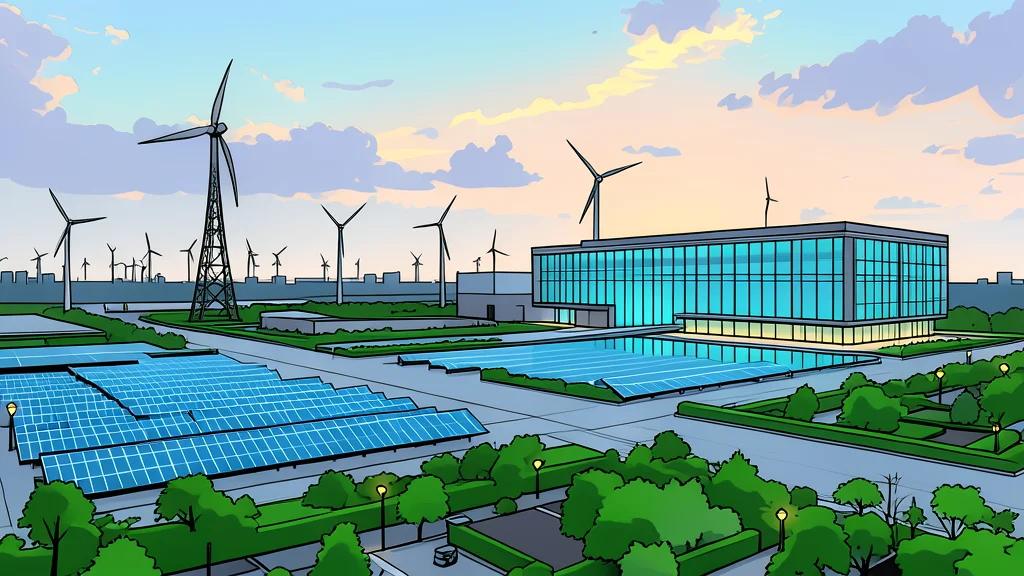
The core of the conversation revolved around securing stable baseload capacity. As AI workloads require constant and substantial electricity, both nations agreed that traditional sources may not be sufficient. They discussed leveraging nuclear energy roadmaps and other clean energy solutions to ensure that compute capacity grows in lockstep with reliable, low-emission power supply. This collaboration falls under the broader US-India Energy Security Partnership, which aims to strengthen bilateral ties in critical technology sectors.
Nuclear Energy as a Strategic Solution
A key component of the dialogue was the role of nuclear power in meeting future energy shortfalls. Unlike intermittent renewable sources, nuclear facilities can provide consistent baseload power, which is essential for data centers that operate twenty-four seven. By integrating nuclear capacity into the grid, India aims to reduce dependency on fossil fuels while ensuring that the energy-intensive nature of AI training and inference tasks does not lead to carbon-intensive electricity generation. This approach translates to a more sustainable digital infrastructure, although it requires long-term planning and significant capital investment.
The strategic intent is to create a robust framework that supports digital growth without compromising energy security. For businesses planning to expand data center operations in India, this signals a government commitment to solving one of the biggest bottlenecks in the sector. However, the trade-off is that such infrastructure projects take years to develop, meaning immediate capacity constraints may still persist. Stakeholders must balance short-term needs with long-term reliability when planning their digital footprints.
Broader Regional Energy Cooperation
Beyond the US partnership, India is also deepening ties with other nations to diversify its energy sources. Minister Lal held separate meetings with Canadian officials to explore offshore exploration and energy efficiency initiatives. These bilateral engagements reflect a broader strategy to secure multiple avenues for power generation and technology transfer. By engaging with partners in North America and Europe, New Delhi seeks to access advanced low-emission technologies that can further stabilize the grid.
Implications for Data Center Developers
For the tech industry, these discussions translate into clearer policy signals regarding power availability. While the immediate impact may not be felt overnight, the commitment to clean and reliable baseload capacity provides a more predictable environment for long-term investments. Companies should monitor upcoming policy announcements stemming from the US-India Energy Security Partnership, as these will likely dictate the specifics of grid access and energy pricing. The ultimate stake is whether India can successfully marry rapid digital expansion with sustainable energy practices, a challenge that defines the next decade of global tech infrastructure.