California Renter Faces High Costs for EV Charging Setup

A San Francisco renter seeking to install a dedicated charging point received quotes ranging from $2,000 to $10,000, highlighting the financial gap between simple and complex residential electric work.
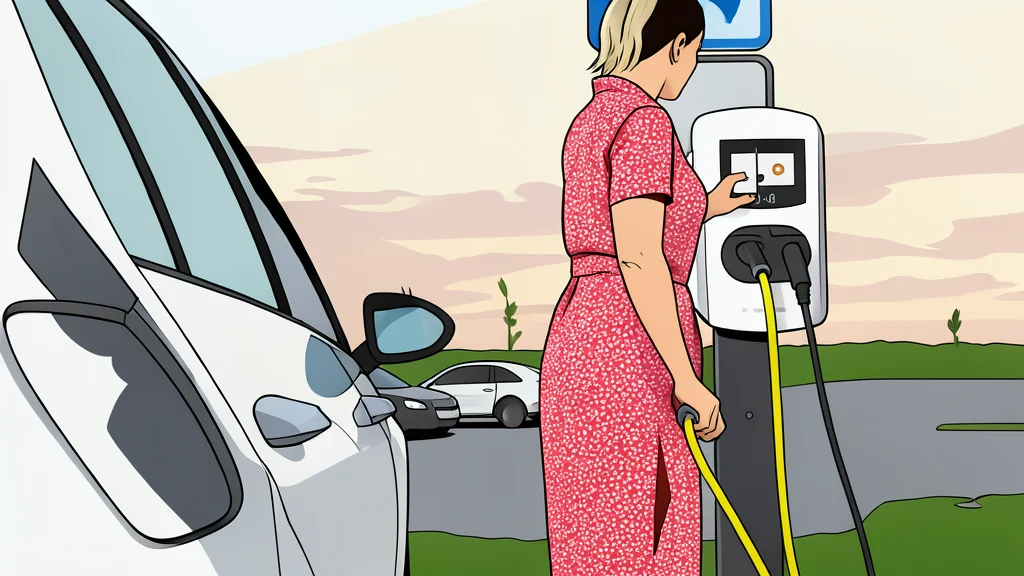
For many apartment dwellers, the transition to electric vehicles is often stalled not by the car's price, but by the difficulty of finding a reliable way to recharge it at home. A recent report from GN auto tech/ev: electric vehicle highlights a specific case in San Francisco where a renter with a designated parking spot sought to install a 240-volt outlet. The goal was straightforward: secure a permanent, high-capacity power source to eliminate the reliance on public charging stations. However, the financial reality of that convenience proved to be far more complex than the initial request suggested.
After obtaining verbal approval from the property manager, the resident reached out to local electricians for estimates. The responses revealed a staggering variance in potential costs, with quotes spanning from $2,000 to $10,000. This eight-thousand-dollar spread illustrates that the cost of home charging infrastructure is rarely fixed. Instead, it is heavily dependent on the specific architectural constraints of the building, the distance from the main electrical panel, and the local labor market. For a renter, this uncertainty creates a significant barrier to entry, as committing to a high-end installation without a guaranteed long-term stay in the unit is a risky financial decision.
Infrastructure Drives the High Cost
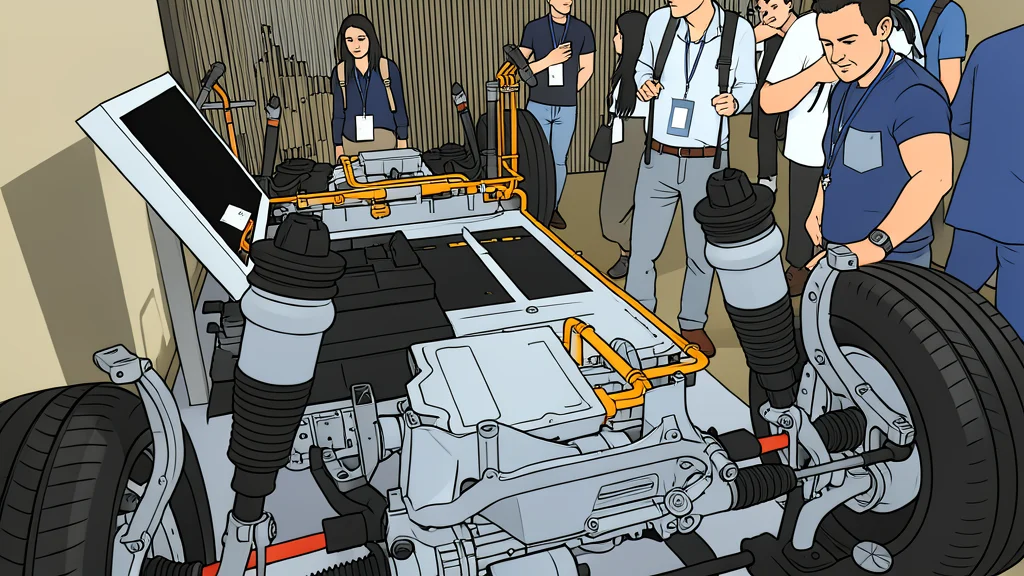
The core of the expense lies not in the charging device itself, but in the structural modifications required to support it. As noted by industry observers, the hardware is the most affordable component of the project. The bulk of the bill is driven by the infrastructure work, which includes running new wiring, installing conduit, and potentially upgrading the building's electrical panel to handle the increased load. Permits and licensed labor further add to the total, making the installation a significant construction project rather than a simple plug-and-play solution.
This distinction is particularly problematic for renters who do not own the property. Unlike homeowners who may view the increased electrical capacity as a home improvement that adds value to their asset, a renter is paying for infrastructure that will remain with the building when they move out. This creates a trade-off where the individual bears the full cost of a permanent utility upgrade, with no direct financial return on investment at the time of departure. The ambiguity of whether any equipment can be removed after the tenancy ends adds another layer of complexity to the calculation.
Legal Protections and Practical Advice
California law provides some protections for tenants seeking to install electric vehicle supply equipment, which may explain why the property manager in this case was receptive to the request. However, legal permission does not equate to financial subsidy. The resident is still responsible for the entire cost of the work. To navigate this, experts recommend obtaining multiple bids from licensed contractors to ensure the quote reflects the true scope of the job. It is also critical to secure the landlord's approval in writing and to carefully review the lease agreement to understand the terms regarding the installation and any potential removal fees.
A practical approach involves asking electricians to quote different levels of installation. A basic 240-volt outlet may be sufficient for many drivers and significantly cheaper than a hardwired Level 2 charger. By choosing the simplest option that meets their daily driving needs, renters can potentially keep the cost closer to the lower end of the estimate. This strategy requires a clear understanding of one's own charging requirements and a willingness to compromise on convenience to manage the upfront expense.
The Broader Challenge of Renting
This situation reflects a wider trend in urban housing where the infrastructure necessary for modern electric vehicles is often absent or inadequately supported. While public charging networks are expanding, they remain less convenient and often more expensive per mile than home charging. For renters, the path to electric mobility is fraught with logistical and financial hurdles that homeowners do not face. The gap between the desire for sustainable transportation and the reality of rental housing contracts remains a significant obstacle for many consumers.