Volkswagen's New ID.3 GTI Swaps Front Drive for Rear
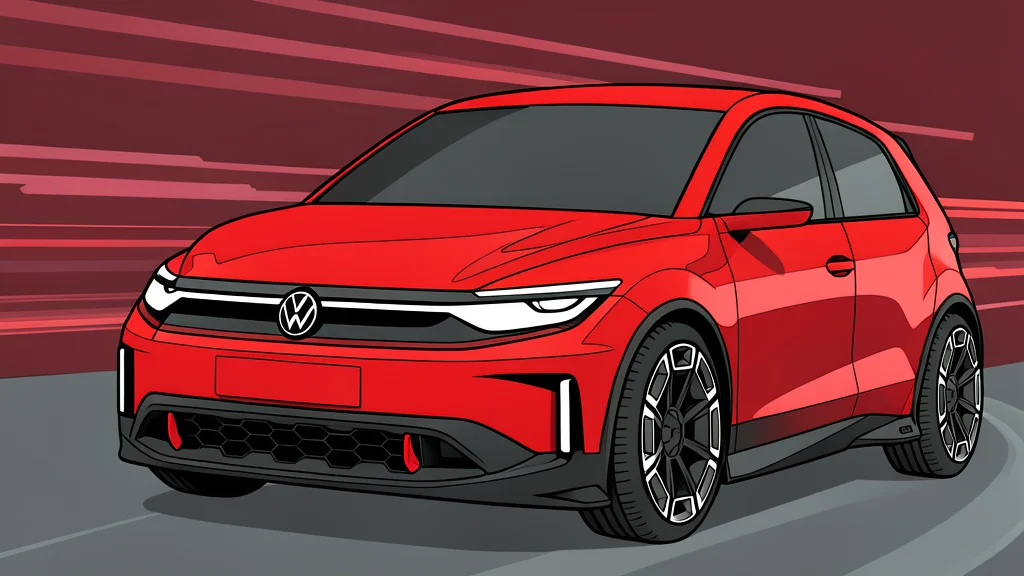
Volkswagen has introduced the ID.3 GTI, its most powerful electric model to date. The car marks a significant shift in engineering philosophy for the brand's legendary hot hatch lineage.
Volkswagen has officially unveiled the ID.3 GTI, a vehicle that represents a major turning point for one of the most recognizable badges in automotive history. According to reports from GN auto tech/ev: electric vehicle, the manufacturer claims this model is the most powerful production car in the 50-year history of the GTI name. Sales are scheduled to begin in 2027, replacing the existing ID.3 GTX. However, the launch comes with a significant geographic limitation: the car will be sold in Europe and the United Kingdom, but North American buyers will not have access to it.
The decision to exclude the US market means that American enthusiasts will continue to rely on the gasoline-powered Golf GTI, which remains the only Volkswagen hot hatch available in the region. This split strategy highlights a growing divergence in how manufacturers approach performance vehicles across different continents. For consumers in the US, the new electric model is essentially a non-starter, leaving them with the traditional internal combustion engine option for the foreseeable future.
Rear-Drive Layout Defies Electric Trends
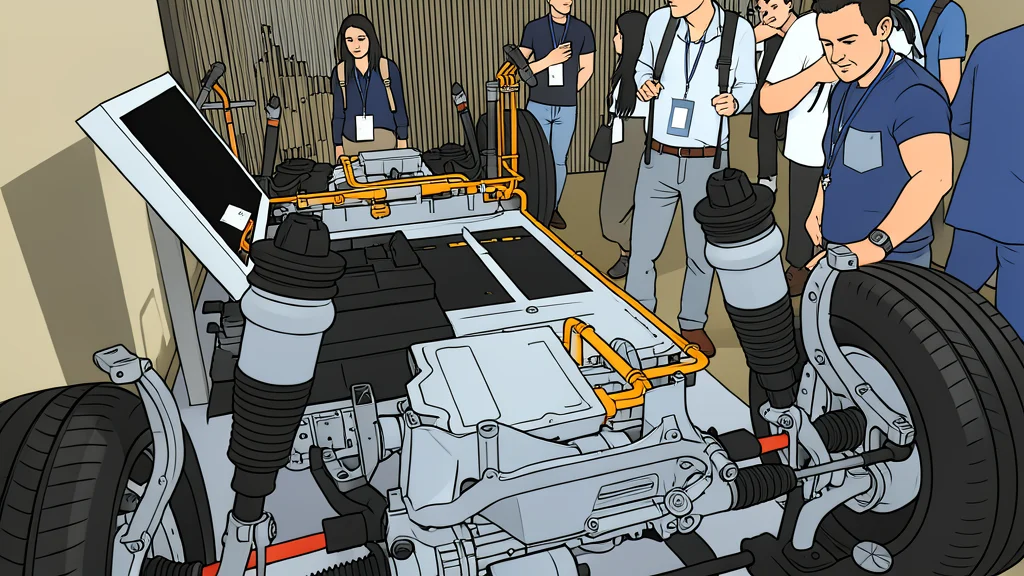
The most striking engineering choice in the ID.3 GTI is its drivetrain configuration. While many competitors in the electric hot hatch segment are moving toward dual-motor, all-wheel-drive setups, Volkswagen has opted for a rear-wheel-drive layout. This is a fundamental departure from the front-wheel-drive system that has defined every gasoline-powered Golf GTI since 1976. The move is designed to evoke the handling characteristics of classic sports cars, offering a different driving dynamic compared to the more stable but less agile all-wheel-drive rivals.
Power is delivered by a single permanent-magnet synchronous motor mounted on the rear axle. This unit produces 326 horsepower and an instantaneous 545 Newton-meters of torque. The car accelerates from zero to 100 kilometers per hour in 5.6 seconds, with a top speed electronically capped at 200 kilometers per hour. While the power output is impressive, the trade-off is weight. The battery pack adds significant mass, which prevents the electric model from beating the gasoline-powered Golf GTI Edition 50 in the sprint, a car that reaches the same speed in 5.3 seconds.
Battery Range and Charging Speed
Under the hood, the vehicle sits on an evolved version of Volkswagen’s MEB platform, known as MEB+. It utilizes a 79-kilowatt-hour lithium-ion battery, the same technology found in the recently updated ID.3 Neo. The optimized chemical composition of the cells allows for a range of up to 601 kilometers under the WLTP testing cycle. For a car focused on high dynamic performance, this range is a key selling point, addressing the common concern that sporty electric vehicles often sacrifice distance for speed.
Charging is handled through a 400-volt system that can accept up to 183 kilowatts of power from a DC fast-charging station. This setup allows the battery to recharge from 10% to 80% in approximately 29 minutes. To manage the handling of such a heavy vehicle, Volkswagen has included electronic differential locks and adaptive dampers. These components help the car feel more nimble on the road, mitigating the inherent heaviness of the electric powertrain.
Interior Design and Driver Engagement
Inside the cabin, Volkswagen has made notable changes to address previous criticisms of the ID family’s user interface. The new model features a 12.9-inch central touchscreen, but it also returns to physical, backlit climate controls and a tactile volume knob. This is a deliberate move away from the unbacklit capacitive touch sliders that were widely panned in earlier models. The sport seats also incorporate a modern interpretation of the classic checkered pattern, reinforcing the car’s identity as a true GTI.
Driver engagement is further enhanced by a dedicated GTI button on the steering wheel. When activated, this mode stiffens the suspension, adjusts steering settings, and plays a synthesized sound that mimics the noise of an internal combustion engine. Additionally, the car supports Vehicle-to-Load functionality, allowing it to supply up to 3.6 kilowatts of alternating current to external devices. This feature is sufficient to charge laptops and power tools, adding a layer of practical utility to the performance-focused package.