Pinterest Tests AI Tool for Visualizing Home Decor
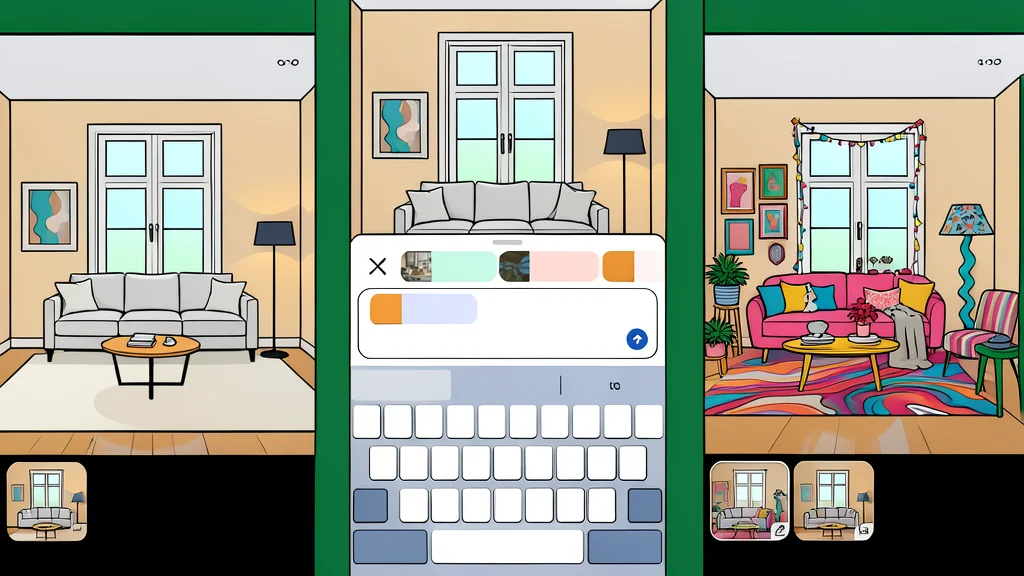
Pinterest is rolling out an AI feature that allows users to visualize new furniture and decor within their own rooms, aiming to bridge the gap between saving inspiration and making a purchase.
Pinterest has begun testing a new tool called Restyle, which uses artificial intelligence to help users preview how different home decor items might look in their specific living spaces. The feature is currently available in beta for users in the United States and Canada. By combining existing AI capabilities with the platform’s visual search engine, the company aims to turn the act of saving ideas into a more tangible design process.
The technology behind this update relies on a foundation that includes Nvidia Blackwell GPUs and open-source models. According to reports from GN technics/ai (en-US), this infrastructure is designed to improve how the platform handles visual queries. The goal is to make the transition from browsing to buying smoother by allowing users to see potential purchases in context before committing to them.
How the Visualization Works
Users can upload a photo of their room and ask the AI to add specific items, such as wall art or furniture. They can also request changes to lighting, paint colors, or the overall style of the space. The system allows for interactive editing, meaning users can click on individual objects to swap them out or remove them entirely. This level of control is intended to give shoppers a clearer sense of scale and compatibility.
The tool supports various aesthetic preferences, from industrial to bohemian styles. It essentially acts as a digital interior designer, helping to visualize how curated items from the platform would fit into a real-world environment. This approach addresses a common frustration in online shopping, where it is difficult to judge how a product will look in a personal setting.
Business Goals and Limitations
The primary business objective is to reduce the distance between inspiration and transaction. By seeing items in their own homes, users may feel more confident in their purchasing decisions. This strategy leverages the existing behavior of saving pins for future reference, transforming those static images into a dynamic planning tool. The company hopes this will increase the conversion rate for products saved to user boards.
However, the feature is not yet available to everyone. It is currently an early preview, with a broader rollout planned for next month. Additionally, while the AI can generate convincing visualizations, it does not guarantee that the final product will match the digital preview perfectly. Lighting conditions, material textures, and exact dimensions can vary between a digital rendering and the physical item, which remains a key trade-off for consumers relying on these previews.
Context in the AI Market
Using AI to redesign rooms is not a new concept, as several other assistants and applications already offer similar capabilities. However, integrating this directly into a major visual discovery platform offers a distinct advantage. Users do not need to switch between a design tool and a shopping site. This seamless integration could set Pinterest apart from competitors who treat inspiration and commerce as separate silos.
The launch of Restyle signals a broader trend in e-commerce, where visual fidelity and contextual relevance are becoming critical features. As AI models become more sophisticated, the ability to simulate real-world outcomes is likely to become a standard expectation in retail. For now, Pinterest is testing the waters with this beta version, gathering data on how users interact with AI-driven design suggestions.