Vivo OriginOS 7 Leaked: Glass UI and Custom Controls Arrive
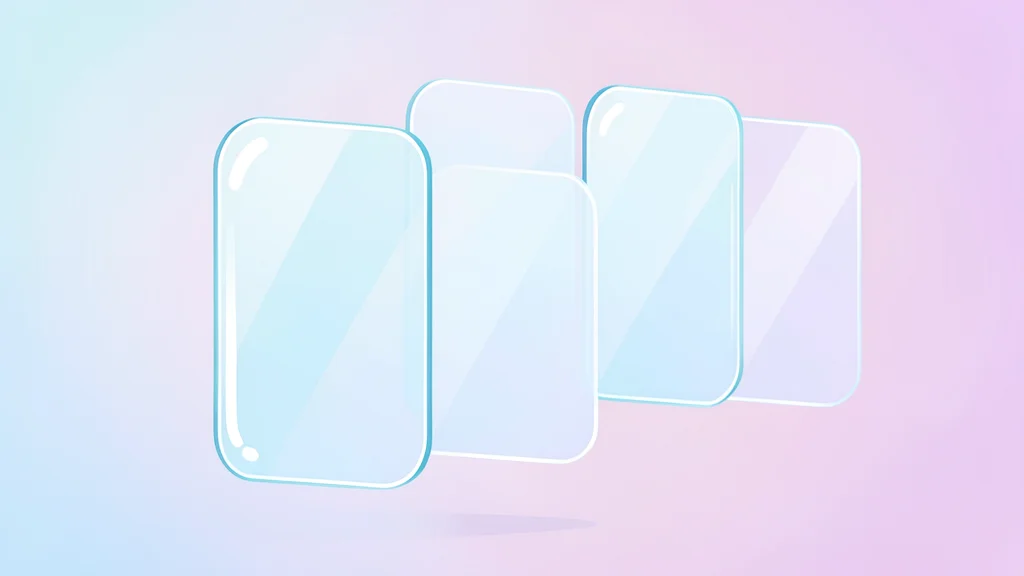
A major leak reveals that Vivo’s next software update brings a glass-like interface and highly customizable controls to standard smartphones, though global availability remains uncertain.
Vivo’s upcoming mobile operating system, OriginOS 7, has been exposed in its entirety, providing a comprehensive look at the design and feature set. The update is built on Android 17 and introduces a visual style described as Light and Shadow Aesthetics, which employs translucent surfaces and dynamic lighting effects. This approach mirrors the recent design trends seen in competing operating systems, aiming to make the user interface feel more fluid and responsive.
According to the leak, which was first shared by the tech outlet GN technics/mobile, the new system allows for significant customization of the home screen and lock screen. Users can choose from several new wallpaper animations that react to movement and interaction. While these features are visually striking, they are currently confirmed only for the Chinese version of the software, with no clear timeline for a global rollout.
Glass-like Visuals Define the New Look
The most noticeable change is the shift toward a translucent, glass-inspired design. The interface now features live blur and responsive lighting that adjusts as the user interacts with the device. Vivo has introduced a Premium Texture setting that offers three distinct styles: Realistic, Natural, and Soft. Each option alters how light and color are rendered on the screen, with the Realistic mode providing the deepest glass effect and the Soft mode offering a simpler, less complex blur.
This design philosophy extends to system elements like the lock screen keypad and app folders. When a user holds down a number or moves a folder, the elements respond with glass-like reflections and ripple effects. The company claims that pixel-level adjustments ensure text remains readable even over complex, animated backgrounds. This trade-off prioritizes visual depth and immersion, though it may require more processing power to maintain smooth animations on older hardware.
Control Center Offers Greater Flexibility
One of the most practical improvements is found in the Control Center. Previously, users were stuck with a fixed layout for quick settings. OriginOS 7 allows individuals to resize specific tiles, move them to different positions, and rearrange the entire panel. This customization extends to the appearance of the tiles, which can be themed to match the user’s preferred aesthetic. It is a direct response to user feedback seeking more control over daily interactions without needing third-party apps.
The update also revamps the media experience with a new OriginPlayer. This component is no longer restricted to a single music service, allowing other supported apps to integrate with the full-screen player on the lock screen. However, a notable limitation remains: music playback information does not yet appear within the Live Updates section. This suggests that while the system is more open, some integration features are still being refined or held back for future updates.
Performance Gains and Multitasking Tools
Beyond aesthetics, Vivo claims significant performance improvements in how the interface handles demanding tasks. The new Atomic Workbench feature, previously exclusive to foldable devices, is now coming to regular smartphones. This tool allows multiple apps to remain visible along the edges of the screen, facilitating easier switching between active tasks. Vivo reports that rendering is 14% faster and page switching is 19% quicker, which should help maintain responsiveness during heavy use.
The company also highlights a 20% reduction in power consumption during complex interface animations. This is a crucial trade-off, as visually rich, glass-like effects can be battery-intensive. By optimizing the underlying rendering engine, Vivo aims to balance the new visual fidelity with efficient energy usage. The official launch is scheduled for September 16 in China, but the extent of these features in international versions remains unconfirmed.