Doubao Assistant Launch Marks a New Era for Smartphone AI
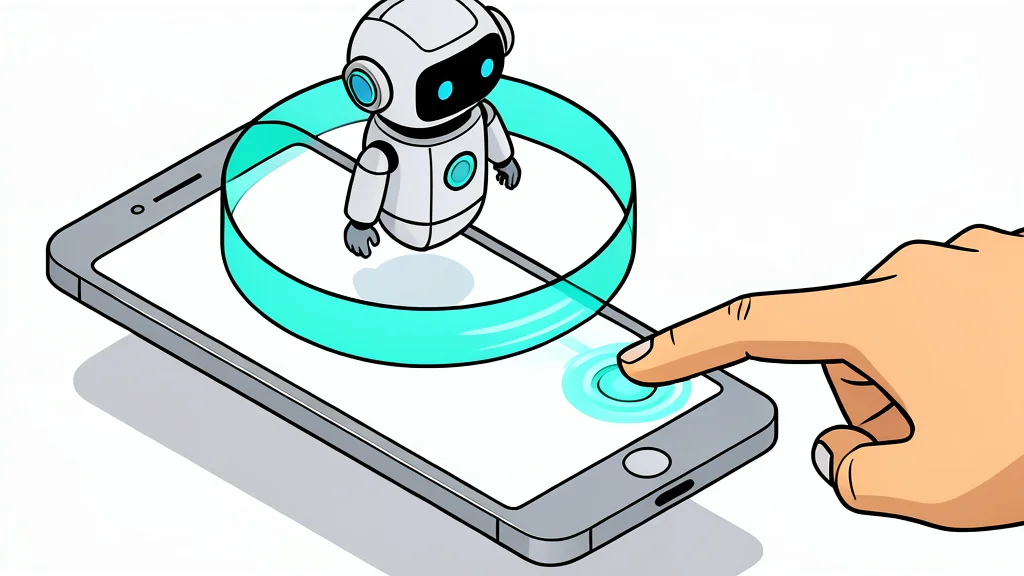
ByteDance has finally released the consumer version of its Doubao Mobile Assistant, moving the technology from limited engineering prototypes to mainstream use. This launch resolves earlier security concerns and signals a broader industry shift toward system-level automation.
On September 14, ByteDance officially launched the consumer version of the Doubao Mobile Assistant. After a period of technical preview and limited availability, the tool is now accessible to ordinary users. This release marks a significant step forward for AI agents that can operate smartphones on behalf of their owners, handling tasks from price comparisons to booking travel.
The assistant gained attention last year through a collaboration with ZTE on the Nubia M153, a device that sold out quickly due to its ability to execute complex, multi-step commands. However, early adopters faced significant issues, including unexpected app crashes and login failures when the AI interacted with major platforms like WeChat and Taobao. These problems highlighted the friction between aggressive automation and the security protocols built into popular applications.
New Protocol Solves Security Conflicts
To address these previous hurdles, ByteDance introduced the SAEP Screen Automated Operation Statement Protocol. This framework allows third-party app developers to explicitly declare which automated actions are permitted and which are rejected. If a developer opts out of specific operations, the Doubao assistant is programmed to stop executing those tasks automatically. This approach shifts the control from the AI to the app developers, ensuring that sensitive actions are only taken with explicit permission.
The updated release also emphasizes privacy and user control. The company states that data processing follows principles of necessity and reasonableness, with a layered protection system for agents. By allowing developers to set boundaries, ByteDance aims to mitigate the risk of triggering security measures that previously disrupted user experience. This trade-off ensures stability and trust, even if it means the AI cannot perform every conceivable action.
Expanded Capabilities for Daily Tasks
Beyond fixing security issues, the new version offers a wider range of functions. Users can now activate the assistant through voice commands or a dedicated AI key. A notable addition is the integration of camera capabilities, allowing the AI to understand visual contexts. For example, a user can scan a room to find furniture that fits specific dimensions and price points, or search through text messages to locate travel permit details.
According to GN technics/mobile (en-US), these features position the assistant as a digital butler capable of retrieving specific information from various apps. The ability to combine visual input with text-based queries represents a leap from simple command execution to contextual understanding. This makes the tool more practical for everyday scenarios, such as managing appointments or finding specific product details without manual searching.
Industry Trend Toward System Agents
The launch of Doubao is not an isolated event but part of a broader trend in the smartphone industry. Major manufacturers are increasingly integrating system-level agents into their flagship devices. These agents focus on screen understanding, cross-app execution, and personal information retrieval. This convergence suggests that the direction ByteDance explored early on is becoming the standard for next-generation mobile devices.
Backed by ByteDance’s multi-modal large model foundation, the assistant offers a competitive edge in understanding real-world scenarios. As hardware manufacturers adopt similar capabilities, the focus will shift from raw processing power to the quality of execution and user trust. The success of this release will likely depend on how well developers adopt the new SAEP protocol and how seamlessly the AI integrates into daily workflows without compromising security.