Melania Trump Promotes AI Education in North Carolina
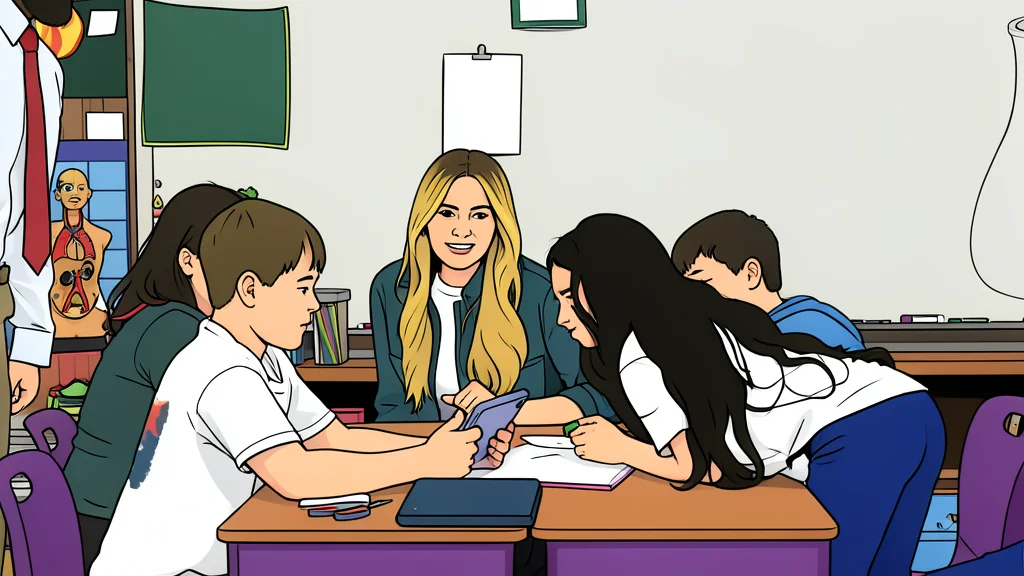
The First Lady visited a rural school to champion artificial intelligence, contrasting her stance with recent calls for stricter tech regulation.
First Lady Melania Trump visited an elementary school in rural North Carolina on Tuesday, using the occasion to argue that the United States must prioritize artificial intelligence education. Her visit occurred against a backdrop of growing tension between political leaders and tech executives over how to manage the risks associated with the technology.
While President Donald Trump recently dismissed calls for increased oversight as a hoax, many prominent figures in the tech industry have warned about potential dangers and urged for more regulation. Melania Trump’s remarks in Jefferson, North Carolina, emphasized the need for American students to lead in this field, suggesting that hesitation could result in the country falling behind global competitors.
School visits highlight classroom integration
During her time at Mountain View Elementary School, the First Lady observed students using tablets to generate videos based on science experiments. She also spent time in the media center, where pupils were building chatbots to explore future career options and operating robotic arms. These activities demonstrated the practical application of AI tools in a K-12 setting.
The visit also served as a moment to acknowledge local resilience. Trump praised the community for its recovery efforts following Hurricane Helene, which had previously forced the school to close for over a month. The school had served as an emergency childcare center and supply distribution point during the crisis, a fact the First Lady highlighted in her remarks to the students.
Donations include hardware and subscriptions
As part of her Be Best initiative, Trump announced that the school district would receive 100 Jetson Nano Developer Kits. These are small, rectangular computer boards designed to run AI applications locally, providing students with hands-on experience in hardware and software development. The district will also receive subscriptions to an AI learning platform for 1,500 students.
The inclusion of physical hardware represents a specific trade-off in educational strategy. While cloud-based AI tools are accessible, local hardware allows for offline experimentation and a deeper understanding of computational limits. However, it requires significant maintenance and technical support from school staff, which may not always be available in rural districts.
Context of broader policy debate
This visit adds a new dimension to the ongoing discussion about AI in schools. According to GN auto tech/robotics, the push for such tools is part of a larger effort to integrate humanoid robotics and advanced automation into educational curricula. Critics, however, raise concerns about data privacy and the long-term cognitive effects of early exposure to generative AI.
The First Lady’s stance aligns with a pro-innovation approach that emphasizes economic competitiveness and technical proficiency. By donating tools and publicly supporting the curriculum, she positions the federal government as a partner in this technological shift, even as the regulatory framework for these technologies remains unresolved.