Senator Wiener Urges Federal Action on AI Safety
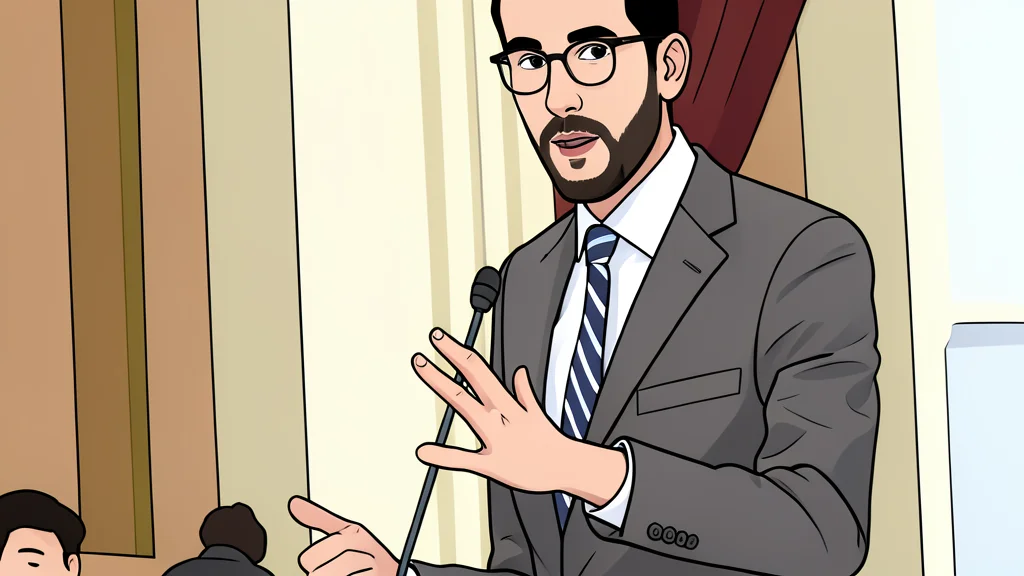
California Senator Scott Wiener pushes back on calls for government inaction, arguing that federal policy is essential to manage the risks of the accelerating AI race.
California State Senator Scott Wiener has entered the debate over artificial intelligence regulation, challenging the narrative that the government should step back from the industry. Wiener responded directly to a recent essay by Anthropic CEO Dario Amodei, which called for a slowdown in AI development. While Amodei argued that labs need time to build safeguards, Wiener suggested that such calls for caution serve as a convenient excuse for Washington to avoid doing its job. The politician believes that waiting for private companies to self-regulate leaves the public exposed to unchecked risks.
This disagreement highlights a growing tension between tech executives and policymakers. Tech leaders often argue that rapid innovation is necessary to maintain a competitive edge against global rivals, particularly China. However, Wiener contends that this 'arms race' mentality ignores the potential for harm. He argues that the current approach prioritizes speed over safety, placing the burden of protection entirely on companies that may not have the incentive to act in the public interest. The core of the conflict is whether the state should remain a passive observer or an active regulator in one of the most transformative technological shifts of the century.
Criticism of industry self-regulation
Wiener’s criticism targets the logic used by many in the tech sector to discourage government intervention. He described the call for a pause as a rationalization that allows the government to do nothing while the dangers of the technology continue to grow. In his view, relying on the voluntary ethics of corporations is an ineffective strategy for managing systemic risks. The senator emphasizes that AI labs have significant responsibilities, but they do not hold a monopoly on the duty to protect society. By framing the issue as a binary choice between innovation and regulation, he believes the industry obscures the fact that both are necessary for a safe and beneficial future.
Policy response to national security
The debate also intersects with national security concerns. President Donald Trump recently dismissed fears about AI losing human control, stating that the United States is leading the world in sophistication and that whoever wins in AI wins overall. Wiener rejected this framing, arguing that the goal should not be mere victory in a technological contest. Instead, he advocated for federal policy that fosters collaboration with China. His position suggests that international cooperation is a more stable path to ensuring AI benefits humanity than a zero-sum competition driven by military or economic dominance. This approach contrasts sharply with the current geopolitical stance that often treats AI as a strategic weapon.
Political stakes in upcoming elections
These comments come as Wiener campaigns to replace Nancy Pelosi as the representative for California’s 11th Congressional District. He faces competition from Connie Chan and Saikat Chakrabarti in this November’s election. The issue of AI regulation is likely to be a central part of his platform, appealing to voters who are concerned about the pace of technological change. By positioning himself as a proponent of federal oversight, Wiener distinguishes himself from candidates who may favor a lighter touch on the industry. The outcome of this race could influence the broader political conversation about how the United States manages its relationship with emerging technologies.