The Missing Standard for Measuring AI's Human Impact
Despite rigorous technical testing, there is no agreed-upon way to verify how AI actually affects people, leaving a gap between code and human experience.
Artificial intelligence systems are subjected to more extensive testing than ever before, yet the true consequences of these technologies on human life remain largely opaque. The public discourse often swings wildly between apocalyptic fears and utopian promises, but a grounded understanding of the actual impact is missing.
While research labs are increasingly expected to report on the effects of their products, there is no common framework to define, measure, or verify this impact. This lack of a shared standard means that findings from universities, private companies, and government agencies cannot always be trusted or compared, leaving a significant void in accountability.
Experts Debate the Definition of Impact
A recent panel at the AI Trust Summit brought together diverse voices to address this gap. Dr. Amit Goldenberg from Harvard Business School examines how AI shapes human emotion and social connection. Meanwhile, Dr. Avijit Ghosh from Hugging Face analyzes the limitations of current evaluation methods, highlighting what existing metrics fail to capture.
Jeff Dunn, Chief Operating Officer of the Digital Trust Council, provided a practical perspective on the operational challenges of being accountable for a product that affects millions of lives. The discussion, moderated by Alex Pascal of the Berkman Klein Center, focused on creating definitions of human impact that remain meaningful across different contexts and sectors.
Collaboration Is Required for Standards
Developing a robust standard for AI impact requires more than just technical metrics; it demands deep collaboration between researchers, industry leaders, and government bodies. The goal is to establish a framework that holds AI systems to human values, ensuring that the technology serves people rather than just optimizing abstract data points.
This effort is not just academic. It is a practical necessity for building trust in an era where AI is embedded in daily life. Without a shared language for impact, stakeholders cannot effectively assess risks or benefits, making it difficult to regulate or improve these systems in a way that aligns with human well-being.
The Trade-Off Between Speed and Safety
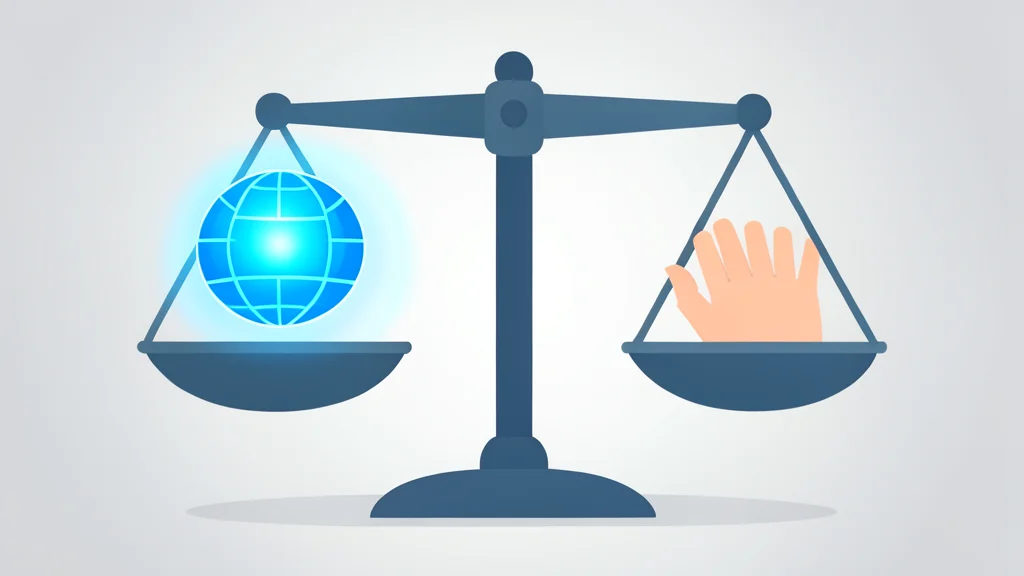
The push for standardized impact measurement introduces a significant trade-off. Implementing rigorous human-centric evaluations can slow down the rapid release cycles that define the tech industry. However, as the stakes of AI deployment rise, the cost of ignoring human impact may far outweigh the benefits of speed.
As reported by GN technics/ai (en-US), the conversation highlights a critical shift in how AI is viewed. It is no longer just a question of code efficiency, but of societal responsibility. The challenge now is to build a system of accountability that is both rigorous enough to be trusted and flexible enough to adapt to the evolving nature of AI technology.