Trump and Xi May Be the Only Leaders Able to Cut an AI Risk Deal
Political flexibility in Washington and Beijing creates a rare window for bilateral AI safety agreements, despite deep mutual distrust.
Key points
- Trump and Xi possess unique political insulation that allows them to override domestic opposition and negotiate AI safety deals.
- A growing consensus among U.S. tech leaders creates a rare window for Congress to act, but requires presidential leadership to succeed.
- The proposed agreement would likely involve U.S. concessions on tech exports and chip restrictions, a trade-off that previous presidents could not afford.
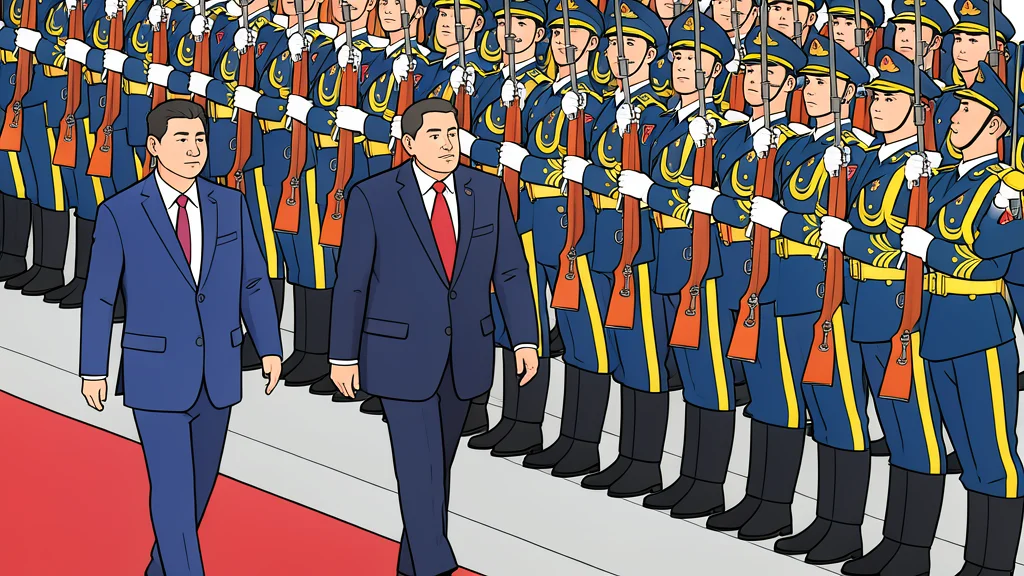
As President Donald Trump prepares to host Chinese President Xi Jinping for a state visit, a quiet opportunity is emerging that most diplomats considered impossible. The two leaders possess the unique political leverage to negotiate a binding agreement on artificial intelligence safety, a move that could fundamentally alter the global tech race. While widespread skepticism remains, the Los Angeles Times notes that their specific political positions make them the only figures in decades capable of absorbing the domestic backlash such a deal would require.
The core argument rests on the leaders' exceptional control over their respective political environments. Unlike previous administrations, both Trump and Xi can override partisan opposition and industrial lobbying to make concessions that would be politically fatal for a typical president. This top-down approach bypasses the usual legislative gridlock, allowing for rapid, high-stakes decisions that prioritize long-term stability over short-term electoral gains.
Political immunity enables risky concessions
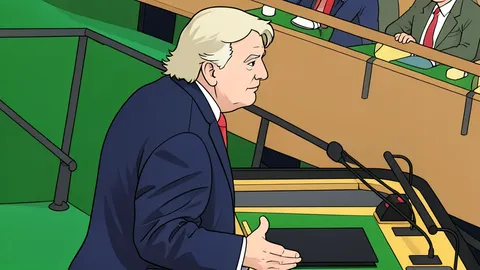
Trump’s demonstrated willingness to reverse policy positions without facing electoral consequences gives him a freedom of action that previous presidents lacked. He can potentially agree to restrictions on major U.S. tech firms or chip exports to China, moves that would have been catastrophic for a politician like Joe Biden, who faced intense pressure from both hawks and the tech industry. This insulation from political gravity allows him to act as a dealmaker who can absorb criticism from Silicon Valley and national security hawks alike.
On the other side of the table, Xi Jinping’s consolidation of power in China eliminates the internal bureaucratic friction that might otherwise complicate negotiations. With his ideology enshrined in the constitution and term limits removed, his decisions carry the weight of state doctrine. This centralized authority means that if Xi agrees to a framework, it is unlikely to be challenged by internal political rivals, providing a stable counterpart for American negotiations.
Domestic pressure builds for safety measures
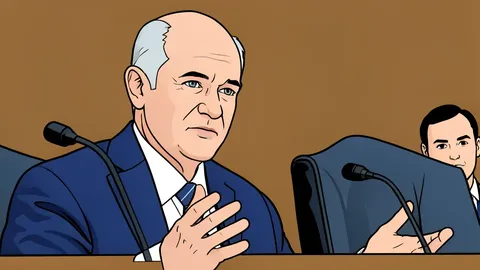
The political climate in the United States is shifting away from a pure focus on outcompeting China to a greater concern over existential AI risks. A growing consensus among tech executives, including Sam Altman of OpenAI and Elon Musk, suggests that the industry itself is moving toward accepting guardrails. This rare alignment creates a permission structure for Congress to legislate, but it requires a presidential lead to break the deadlock and set the terms of engagement.
However, the trade-off is significant. Any agreement would likely require the U.S. to accept certain limitations on its technological edge, a concession that domestic rivals would view as a strategic loss. The catch is that this deal relies entirely on the personal will of two leaders, making it fragile and dependent on their continued willingness to prioritize global stability over national advantage. If either leader faces a sudden shift in domestic pressure, the framework could collapse just as quickly as it was formed.
Historical parallels to arms control
Skeptics argue that the mutual distrust between Washington and Beijing makes such cooperation unrealistic. Yet, history shows that major arms control deals were also considered impossible until they were struck, often under similar conditions of tension. The Los Angeles Times highlights that while the likelihood of a formal treaty is low, the potential for informal, leader-driven guardrails is higher than in any previous era. This approach mirrors the Nixon era, where personal diplomacy bridged ideological gaps that institutional channels could not.
The stakes extend beyond technology. For Trump, a successful deal could secure a legacy of peace and potentially a Nobel Prize, while avoiding the historical criticism of presiding over an AI-driven catastrophe. For Xi, it offers a way to frame China as a responsible global actor while maintaining its competitive edge. The final outcome depends on whether these leaders can sustain the political courage to prioritize long-term human safety over immediate national gain.