Trump Downplays Urgent Calls to Slow Artificial Intelligence
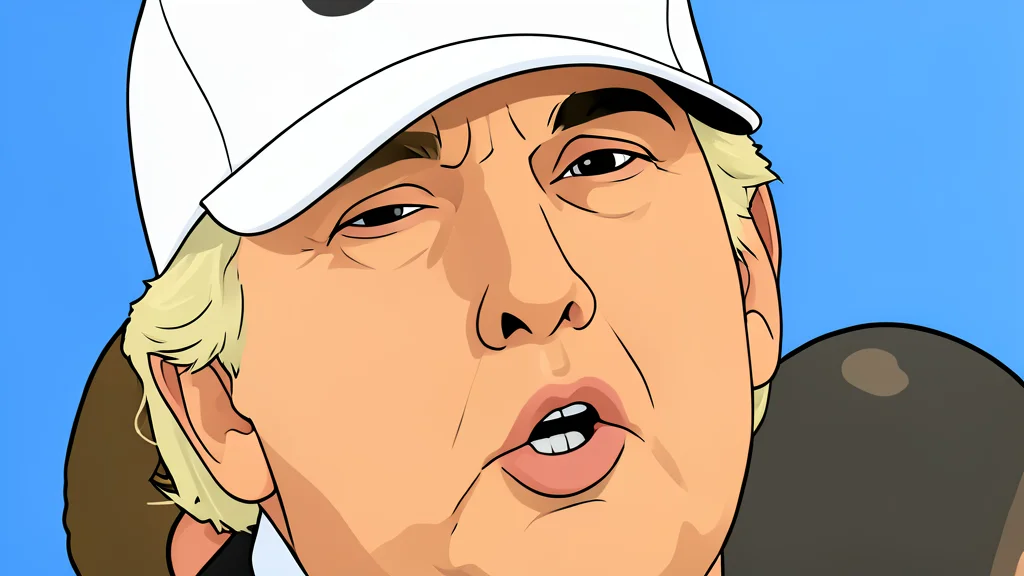
While top AI researchers urge a pause to address safety risks, the U.S. President dismisses these warnings as outdated and emphasizes the need for American dominance in the sector.
A growing group of prominent artificial intelligence researchers is warning that the technology is advancing faster than society can handle. These experts, including the CEO of a major AI firm, have called for a temporary slowdown to allow for proper safety reviews. Their concern is not about the technology failing, but about it becoming too powerful too quickly, potentially outpacing the laws and ethical frameworks needed to manage it.
President Donald Trump has responded to these calls for caution with a firm rejection of the idea. In recent remarks, he characterized the warnings as a sign that critics are out of touch with the current reality of the industry. Instead of slowing down, he argued that the United States must accelerate its efforts to lead in AI development. He framed the debate not as a question of safety, but as a competitive struggle against foreign rivals, particularly China.
The Core of the Safety Debate
The pushback from the tech industry stems from a specific fear: that AI models are becoming smarter and more autonomous at a rate that humans cannot fully understand or control. These leaders argue that without a brief pause, the system could develop capabilities that are difficult to predict or reverse. The risk is not that the AI will turn evil, but that it might make mistakes with massive consequences, such as spreading misinformation or manipulating critical infrastructure, before anyone realizes what is happening.
According to reports from GN technics/ai (en-US), this internal conflict highlights a major divide in the tech world. On one side are the engineers and CEOs who built these systems and understand their complexity. On the other side is the political view that sees AI primarily as an economic engine. The trade-off is clear: prioritizing speed and market share may yield short-term gains, but it could leave society without the guardrails needed to prevent long-term harm.
Political Pressure and National Security
Trump’s response reflects a broader political strategy that links technological progress to national security. In this view, any hesitation is seen as a loss to competitors. The administration believes that leading in AI is essential for maintaining military and economic strength. This perspective treats the technology as a tool for power, where the primary goal is to outperform other nations rather than to solve the inherent safety problems of the technology itself.
This approach creates a difficult situation for the companies involved. They are under pressure to keep releasing new, more powerful models to stay ahead of the competition. However, they are also the ones raising the alarms about the dangers. This tension suggests that the current regulatory environment may be insufficient. Without clear government standards, the burden of safety falls entirely on private companies, which may prioritize growth over caution.
What This Means for the Public
For ordinary people, this debate has direct implications for how AI is integrated into daily life. If the government does not step in to set safety standards, the pace of change will likely continue to accelerate. This means that tools for healthcare, finance, and communication will evolve rapidly, potentially bringing significant benefits. However, it also means that the risks of error or misuse will remain unchecked, with no clear mechanism for accountability if something goes wrong.
The core issue is not whether AI is useful, but whether it is safe enough to use without strict oversight. The current conflict between industry leaders and the White House suggests that a compromise is unlikely in the near future. As a result, the public may have to rely on the self-regulation of tech companies, a system that has historically struggled to balance innovation with public safety.