Tesla Sets October 10 for Second-Generation Roadster Reveal
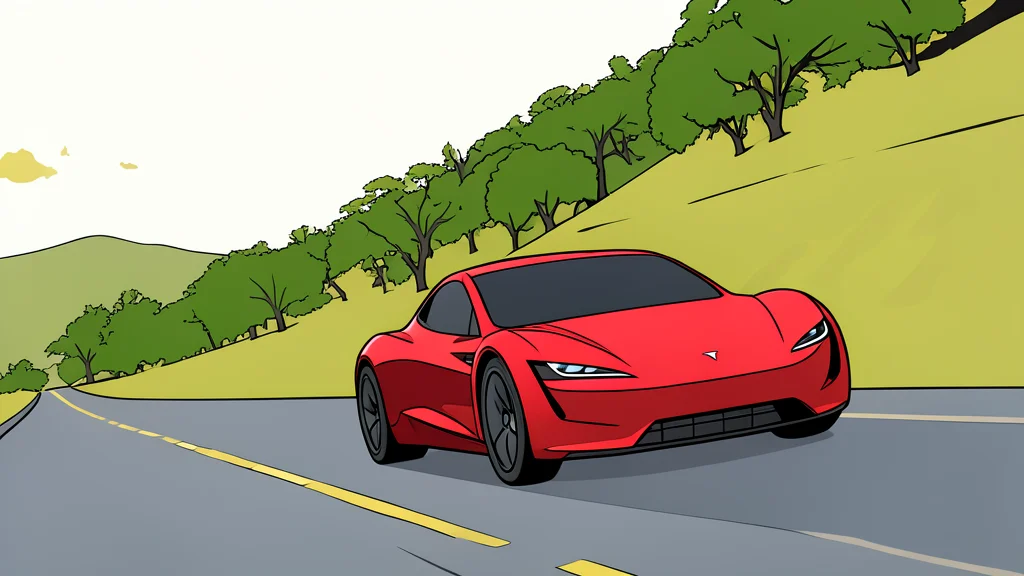
After nearly a decade of delays, Tesla has locked in a date for the long-awaited electric hypercar, though the company's history of missed deadlines makes the promise difficult to take at face value.
Tesla has officially announced that the second-generation Roadster will be revealed on October 10. The announcement comes from the company’s official social media channel and follows years of speculation and broken promises. While the date is now public, the automotive world remains cautious given the manufacturer’s recent track record with product timelines. This specific reveal marks the first concrete step in what has been a prolonged wait for the vehicle that was originally teased as a high-performance sports car capable of outpacing many traditional combustion engines.
The stakes for this release are high, not just for enthusiasts but for the broader electric vehicle market. The original Roadster concept promised a 0-60 mph acceleration time of under two seconds and a range exceeding 600 miles. However, the gap between those early claims and the current reality has widened. Potential buyers who placed reservations years ago have seen some of those orders canceled by high-profile figures, including technology executives and prominent content creators, signaling a shift in confidence regarding the company's ability to deliver on its most ambitious hardware promises.
The flying car claim remains unexplained
A particularly controversial aspect of the upcoming reveal involves a reported ability for the vehicle to fly. Recent reports suggest the car may feature vertical takeoff capabilities, a claim that has sparked significant debate among engineers and analysts. Tesla’s website currently displays a countdown timer alongside imagery that hints at cold-gas thrusters, technology typically associated with space launch vehicles rather than consumer automobiles. The mechanism behind this potential feature remains undisclosed, leaving observers to speculate whether this is a serious engineering breakthrough or a marketing stunt designed to generate buzz before the official launch.
If the flying capability is real, it would represent a major departure from standard automotive design, introducing complex safety and regulatory challenges. However, if it is merely a gimmick, it risks further eroding trust in the brand. The comparison to the Cybertruck’s Wade Mode, a feature that impressed some but was criticized by others for being underwhelming, serves as a cautionary tale. The public is increasingly skeptical of Tesla’s tendency to tease features that may not translate into practical, everyday benefits for the average user.
Preorder cancellations signal shifting buyer confidence
The initial excitement surrounding the Roadster has cooled significantly over the past few years. When the prototype was first shown in 2017, the base model was priced at $200,000, with a premium Founder’s Edition variant costing $250,000. Early adopters who paid $50,000 deposits to secure their spots have begun to walk away from their commitments. Notable cancellations have come from prominent figures in the tech industry, suggesting that even the most loyal supporters are losing patience with the delays. This trend indicates a broader market shift where patience for unfulfilled promises is running low, particularly in a sector where competitors are actively delivering new electric models.
The financial implications of these cancellations are substantial for Tesla, as it had likely allocated significant resources toward the development of this specific vehicle. The company must now balance the cost of continued R&D against the risk of further alienating its core customer base. Engadget and other tech publications have noted that the delay has allowed competitors to close the gap in performance and range, making the Roadster’s late arrival a significant challenge for Tesla to maintain its position as an innovator. The October 10 date is therefore not just a marketing milestone, but a critical test of the company’s credibility.
History of delays clouds the launch
Tesla’s history with the Roadster is marked by a pattern of missed deadlines that has become almost legendary in the tech world. Each previous announcement of a launch date has been followed by further postponements, leading to a general sense of disbelief among potential buyers. This pattern contrasts sharply with the more predictable release cycles of traditional automakers, who rarely miss their production targets by such wide margins. The current announcement of October 10 is therefore viewed with a mixture of hope and skepticism, as stakeholders wonder whether this time will finally be different.
The company’s ability to deliver on this promise will be closely watched by investors and consumers alike. A successful launch could revive interest in the brand and validate its high-performance electric vehicle strategy. Conversely, another delay or a reveal that falls short of expectations could have lasting negative effects on its reputation. As the date approaches, the automotive industry will be keeping a close eye on any further updates from Tesla, with the understanding that the Roadster’s debut is one of the most anticipated events in the sector, yet also one of the most uncertain.