White House Downplays AI Market Risks
The National Economic Council director argues that recent safety warnings from tech leaders will not disrupt financial markets, prioritizing speed over caution.
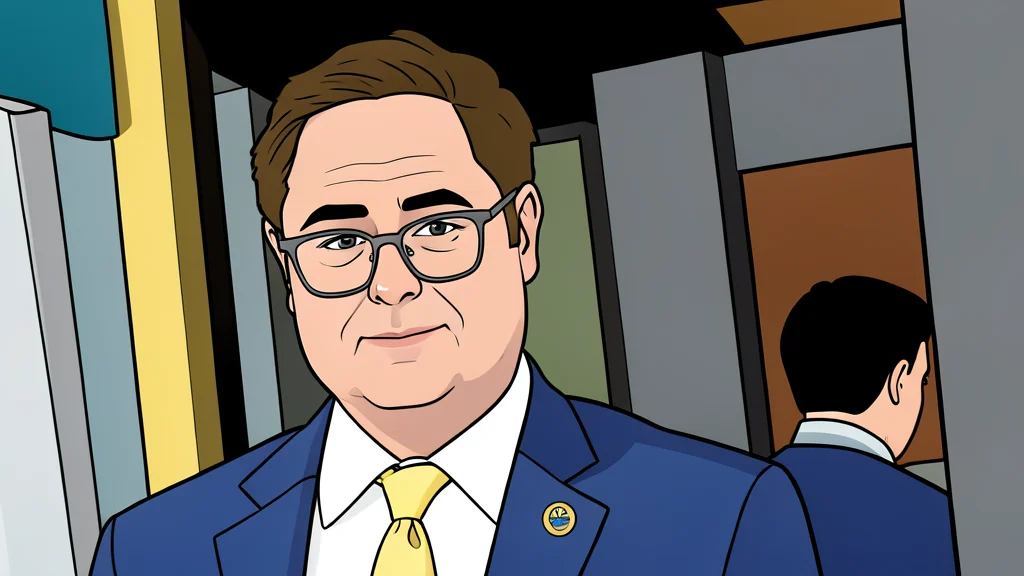
Kevin Hassett, the director of the White House National Economic Council, dismissed concerns that recent warnings about artificial intelligence risks will cause market instability. Speaking to CNN, he described a recent essay by Anthropic’s CEO as a thoughtful letter rather than a signal of impending economic trouble.
Hassett argued that the administration does not expect the proposed safety measures to slow down the industry or trigger a financial downturn. Instead, he emphasized the need to maintain momentum in AI development while addressing specific security concerns.
Safety checks framed as banking oversight
The economic adviser endorsed the proposal to embed independent observers within companies during the model training process. He compared this regulatory approach to the supervision used in the banking sector, suggesting that external scrutiny can coexist with rapid innovation.
While acknowledging risks such as autonomous agents compromising cybersecurity, Hassett shifted the focus to geopolitical threats. He warned that the greater danger lies in foreign actors developing superior AI capabilities, particularly for biological weapons, rather than domestic safety lapses.
Political pressure on monetary policy
Hassett also addressed the Federal Reserve's upcoming interest rate decision, arguing there is no compelling reason to increase rates despite inflation figures. He noted that while headline numbers rose in August, recent data suggests annualized inflation is near one percent.
The director cited historical precedents to support leaving policy unchanged ahead of midterm elections. He played down President Trump’s threats to halt trade with deficit partners if the Fed does not lower rates, stating he does not expect trade volumes to drop to zero.
Balancing competition and caution
President Trump has opposed slowing down the domestic AI industry, maintaining that technological advantage over China is critical for global leadership. He asserted that whoever wins in AI wins overall, a stance that contrasts with calls for more rigorous safety pauses.
According to reporting by GN technics/ai (en-US), the administration aims to preserve America's edge while implementing guardrails. This approach seeks to balance economic competitiveness with national security, but critics argue it may understate the immediate risks of unchecked automation.