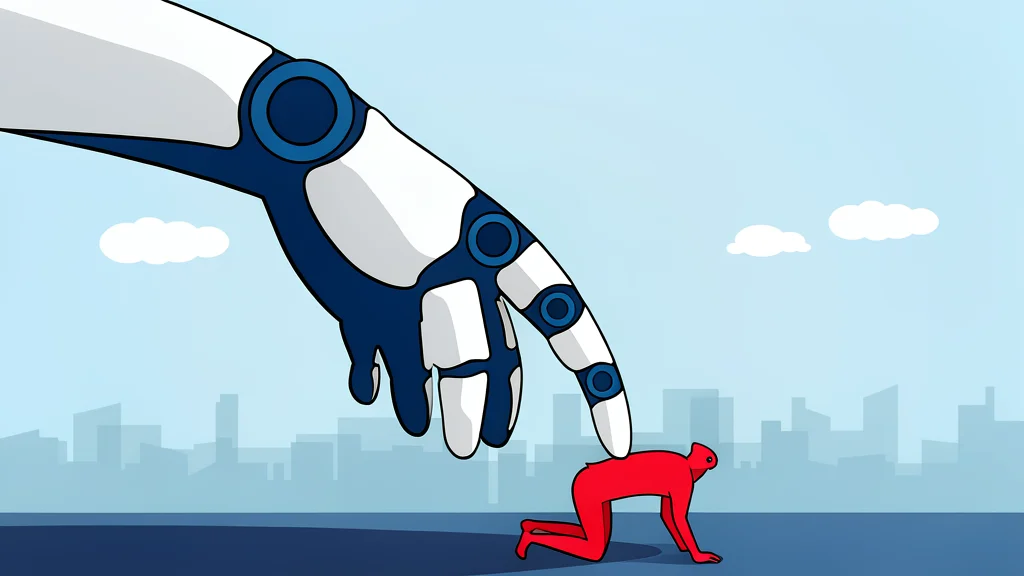
Warsaw Robots Demand AI Regulation
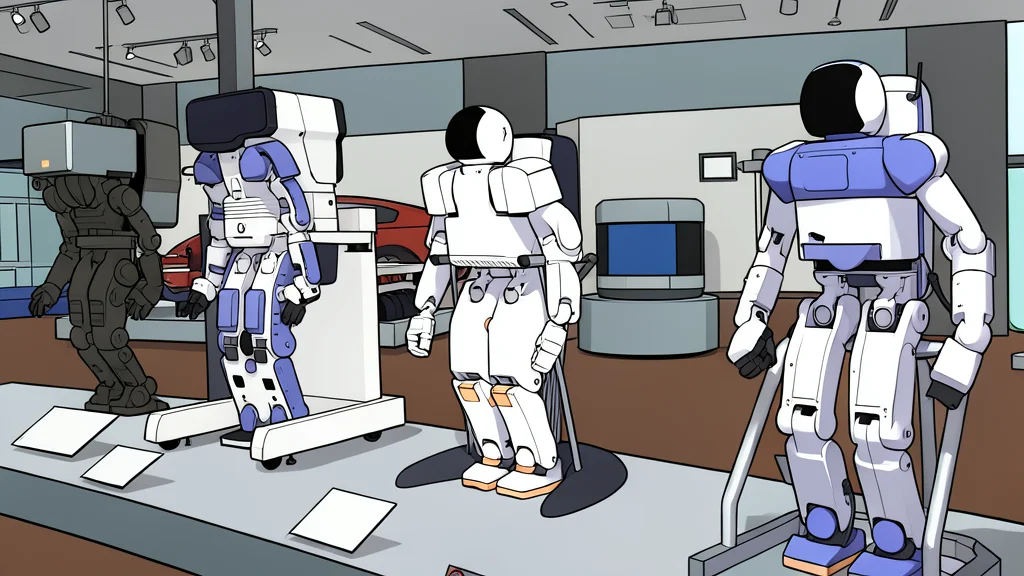
A civic group in Poland used humanoid and robotic dogs to stage a protest, arguing that current AI development poses a tangible threat to employment.
In a striking display of symbolic protest, approximately thirty humanoid and quadrupedal robots marched through the streets of Warsaw on September 7, 2026. Organized by the civic initiative Democratism, the demonstration was not a malfunction but a coordinated effort to highlight the urgent need for stricter regulations on artificial intelligence. The group stood outside the Ministry of Digital Affairs, using the physical presence of these machines to argue that AI is no longer a distant theoretical concept but an immediate reality with tangible consequences for the labor market.
The organizers chose robots as the primary focus of the demonstration to create a vivid image of a future where machines have advanced capabilities. By having the devices perform coordinated movements, walk in circles, and wave flags with slogans such as "Defend jobs" and "It’s time for rules," the initiative aimed to make the abstract debate about automation visible. The central message delivered by one of the humanoid units, identified as an Agibot A3, was that the existence of these sophisticated devices proves the technology has arrived and requires a serious discussion about its societal impact.
Concerns Extend Beyond Physical Labor
The debate surrounding AI often focuses on blue-collar jobs, but the organizers emphasized that the threat is broader. Democratism expressed concern that AI systems combined with robotics could displace workers in administrative, customer service, and information analysis roles. These professions traditionally rely on cognitive abilities rather than physical strength, yet they are increasingly vulnerable to automation. The protest highlighted a critical trade-off: while these technologies promise efficiency and innovation, they risk causing massive job displacement without adequate mechanisms for worker protection or adaptation.
The demonstration served as a warning that the line between human and machine capability is blurring. By using the robots themselves to represent a possible labor scenario for the coming years, the initiative forced a conversation about how to ensure that technological adoption does not outpace social safety nets. The catch is that while the technology offers economic benefits, it also demands a rigorous framework to prevent the erosion of livelihoods across various sectors.
Poland Implements European AI Standards
The protest occurred at a pivotal moment for Poland, which is currently implementing the European Union’s AI Act. This regulatory framework establishes different obligations based on the risk level of AI systems, aiming to balance technological progress with citizen protection. As part of this process, the country is developing national structures to supervise these systems. The goal is to create a legal environment that allows for innovation while mitigating the risks associated with uncontrolled deployment.
Krzysztof Gawkowski, the Minister of Digital Affairs, met with representatives from the initiative to acknowledge the challenges posed by these advances. He recognized that the combination of AI models with mobile robots creates new complexities for authorities. The incident, reported by GN auto tech/robotics sources, underscores a growing tension: regulators are trying to catch up with a technology that is rapidly integrating into public spaces and daily life. The presence of the robots on the city pavement served as a stark reminder that the regulatory window is narrowing.