US Data Center Expansion Stalls on Power Grid Limits
The rapid buildout of AI data centers in the United States has outpaced the electrical grid's capacity, creating a critical bottleneck that threatens to delay major projects and drive up energy costs for consumers.
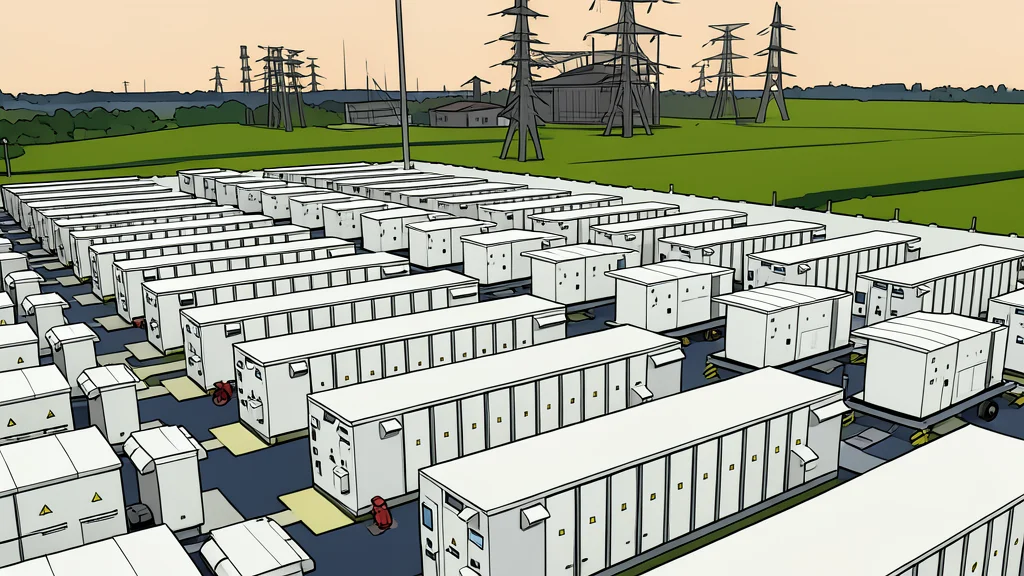
The surge in artificial intelligence demand has triggered a construction boom for data centers across the US, but the electrical infrastructure required to power these facilities is not keeping up. Financial services firm Moody's estimates that the nation needs an additional $110 billion in power generation capacity by 2030 to meet this escalating demand. This gap between construction speed and grid availability has become a primary constraint on the industry's growth trajectory.
According to data from the International Energy Agency cited by Moody's, power consumption from these facilities is projected to nearly double from 2025 levels, reaching 426 terawatt-hours by 2030. This rapid increase places intense pressure on local grids, leading some regional authorities to restrict new connections. The resulting strain has already contributed to higher electricity prices in several areas, prompting affordability concerns among residents and businesses.
Permitting Delays Stall Project Timelines
Beyond the immediate cost of new power plants, regulatory and supply chain hurdles are slowing progress significantly. Permitting processes for new generation sources and the long lead times for critical equipment can delay project completion by up to seven years. Investment bank Jefferies reported in June that up to half of the additional data center capacity planned for 2026 may not come online this year due to these grid connection and zoning setbacks.
Management consultancy Bain & Company flagged this structural issue nearly two years ago, urging energy companies to accelerate capacity additions. The complexity of adding new generation is compounded by the need for extensive transmission network upgrades. Moody's notes that while $80 billion to $115 billion in grid investment is currently approved or under construction, this figure could triple over the next decade to accommodate the expanding network.
Operators Seek Alternative Power Sources
Faced with prolonged wait times for grid access, many data center operators are exploring on-site power generation as a workaround. These behind-the-meter solutions allow facilities to generate their own electricity, circumventing delays in connecting to the public utility grid. While grid connections remain preferred for their reliability and shared redundancy, the urgency to launch AI workloads is driving a shift toward self-sufficient energy models.
This trend is particularly evident in regions like Texas, which have seen a wave of construction activity. However, the reliance on local grids still dominates, and the financial burden of upgrading these systems is being passed on to customers. The interplay between private sector expansion and public utility constraints creates a complex landscape where speed and stability are difficult to balance simultaneously.
Long-Term Grid Reliability Improvements
Despite the current friction, Moody's argues that this large-scale infrastructure investment will ultimately enhance grid reliability and affordability. Increased generation capacity is expected to alleviate long-standing supply constraints, which should reduce price volatility during peak demand periods or extreme weather events. Furthermore, expanded transmission networks could improve access to lower-cost generation resources, especially when data center developers contribute to financing the associated infrastructure.
The situation highlights a critical trade-off in the US energy transition. While the immediate impact includes higher costs and project delays, the long-term outcome of integrating massive new loads into the grid could result in a more robust and resilient electrical system. The challenge now lies in managing the transition period without stifling the technological growth that drives this demand.