Lenovo Targets Hybrid AI and Virtualization Workloads
Lenovo is updating its server lineup to help companies run AI and traditional software on the same infrastructure.
Lenovo has expanded its virtualization infrastructure with new ThinkAgile systems and deployment services. The goal is to help enterprises modernize their existing environments while preparing for a growing mix of AI, cloud-native, and traditional workloads. This move reflects a broader shift in data centers, where operators must support new AI applications without abandoning the virtualized infrastructure that still hosts much of the world’s business-critical software.
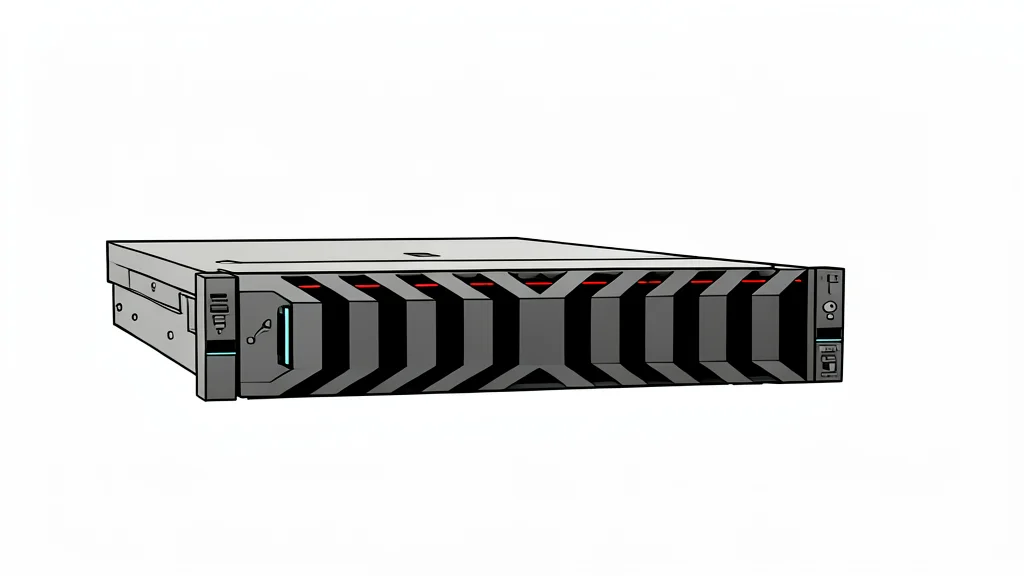
At the center of this update is the ThinkAgile VX850 V4, a platform designed for highly virtualized environments and demanding in-memory tasks. Lenovo states that the system can handle both structured and unstructured data, allowing companies to consolidate existing workloads and create additional capacity for AI-enabled applications. This positioning is significant as enterprises attempt to bridge two infrastructure eras, moving from conventional storage and application stacks toward dense GPU clusters without a complete overhaul.
Incremental modernization over rip-and-replace
Rather than forcing customers into a full replacement strategy, Lenovo is emphasizing incremental modernization. The company is reorganizing its Infrastructure Deployment Services into three tiers: Standard Deploy, Premier Deploy, and Premier Deploy Plus. All three offerings include readiness work and hardware installation. Premier Deploy extends support into implementation and operational handoff, while Premier Deploy Plus adds post-deployment assistance and a one-year infrastructure health assessment, though it excludes DE Storage Array products.
This services component addresses a critical challenge for IT teams. Deploying new compute capacity is no longer just about installing servers. Virtualization, containers, hybrid cloud management, and AI infrastructure increasingly overlap, creating complex integration requirements. Lenovo aims to reduce this complexity by offering structured support levels that guide organizations through the transition rather than leaving them to manage the integration alone.
Pre-validated configurations reduce integration risk
Lenovo is expanding its Express Solutions portfolio to include pre-validated infrastructure configurations. These include Microsoft Hyper-V Ready Solutions, Red Hat OpenShift Virtualization, and Microsoft Azure Local with Lenovo ThinkAgile MX V4. Other options involve Lenovo ThinkSystem with Nutanix Compute Cluster and SUSE Virtualization on ThinkSystem V4 infrastructure. Each configuration targets a slightly different modernization path, allowing organizations to choose a setup that aligns with their specific operational needs.
For example, Red Hat OpenShift Virtualization allows organizations to operate virtual machines alongside containerized applications. Microsoft Azure Local provides a route for running virtualized, cloud-native, and AI workloads across distributed infrastructure while retaining Azure-based management. The Nutanix configuration is designed to allow compute resources to scale independently, simplifying virtualization management, while the SUSE platform supports both VM and container workloads on common infrastructure. This variety gives data center operators the flexibility to integrate new technologies without disrupting existing systems.
Virtualization remains a core infrastructure component
The expansion suggests that Lenovo sees virtualization remaining a core component of enterprise infrastructure, even as AI changes server density and storage requirements. Instead of disappearing, virtualization platforms are increasingly being integrated with containers, hybrid cloud management, and accelerated computing environments. Lenovo is also connecting this strategy with its storage and infrastructure management portfolio, including ThinkSystem Storage and ThinkAgile hyperconverged infrastructure platforms designed to support disaggregated architectures and scalable AI workloads.
According to reporting from GN auto tech/cloud: cloud infrastructure, this approach acknowledges that many companies cannot simply discard their current setups. The trade-off is that while these pre-validated solutions simplify deployment, they also lock organizations into specific vendor ecosystems and support structures. For data center operators, the common thread is flexibility, but it comes with the requirement to navigate a more complex landscape of overlapping technologies and service tiers.