Audi A4 E-Tron Delayed to 2029 Due to Platform Issues
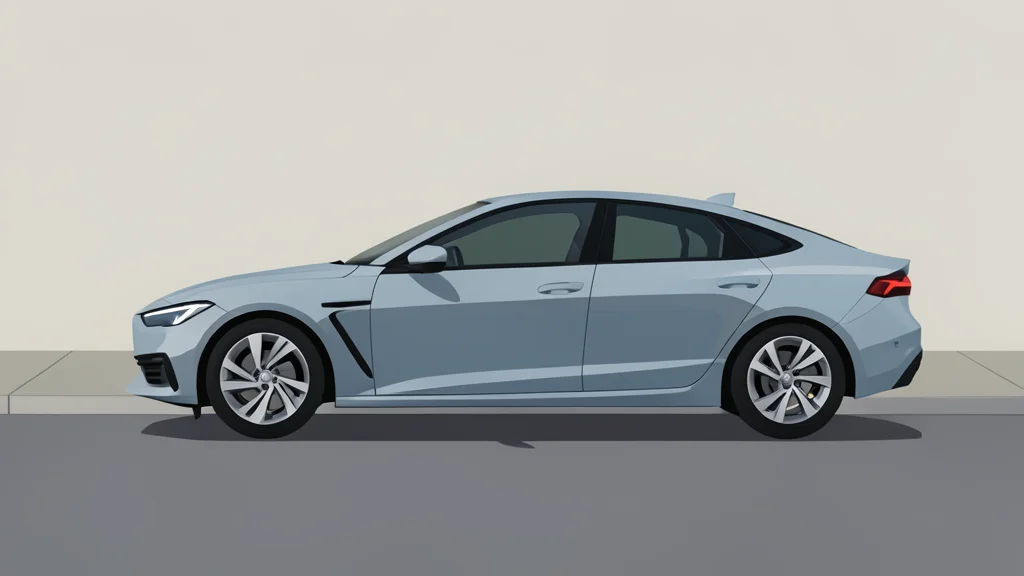
Audi has pushed back the launch of its next electric mid-size sedan to 2029, leaving a significant gap in its lineup while it struggles with internal technical and organizational challenges.
Audi has confirmed that the production of the next-generation A4 e-tron will not begin until at least March 2029. This delay pushes the launch of the all-electric mid-size sedan back by roughly a year from previous expectations and extends the wait for a direct competitor to the upcoming BMW i3 and Mercedes-Benz C-Class.
As reported by GN auto tech/ev, the postponement is attributed to unresolved technical issues with the Volkswagen Group’s new Scalable Systems Platform. This setback means Audi will rely on older battery architectures for its electric models for several more years, creating a strategic gap in its product lineup.
Production start pushed to 2029
The delay stems from persistent problems with the SSP architecture, which was originally intended to debut in 2026. Insiders suggest that production may not start until late April or May of 2029. This timeline leaves Audi without a new electric mid-size car for up to three years, while competitors are preparing to launch their latest models.
The A4 e-tron was meant to be the first vehicle built on this new platform. By slipping to 2029, Audi is effectively abandoning its initial plan to lead the market with the latest technology. Instead, it will continue using the MEB and PPE platforms, which are already in production for models like the Q4 e-tron and A6 e-tron.
Technical and organizational hurdles
The SSP platform was designed to be highly versatile, supporting both 400-volt and 800-volt systems and featuring a zonal electronic architecture. This setup aims to simplify vehicle software by centralizing functions rather than relying on dozens of separate control units. However, implementing this complex system has proven difficult, leading to lengthy coordination processes within the Volkswagen Group.
Cost-cutting pressures have also played a role, forcing the company to extend the use of existing platforms to save money. Additionally, there have been internal debates about whether the group needs a new Chief Technology Officer to provide clear direction. Without this leadership, decision-making has become bogged down in conflicts between headquarters and individual brands.
Strategic impact on the market
For consumers, this delay means fewer choices in the electric mid-size segment. Audi will have to compete with rivals who are launching new models sooner. The company is also facing questions about its ability to deliver on its promise of software-defined vehicles, which is a key selling point for the SSP platform.
The situation highlights the challenges of transitioning to new electric vehicle architectures. While the SSP offers significant technical advantages, the real-world execution has fallen behind schedule. Audi will need to address these internal issues quickly to regain momentum in the competitive electric car market.