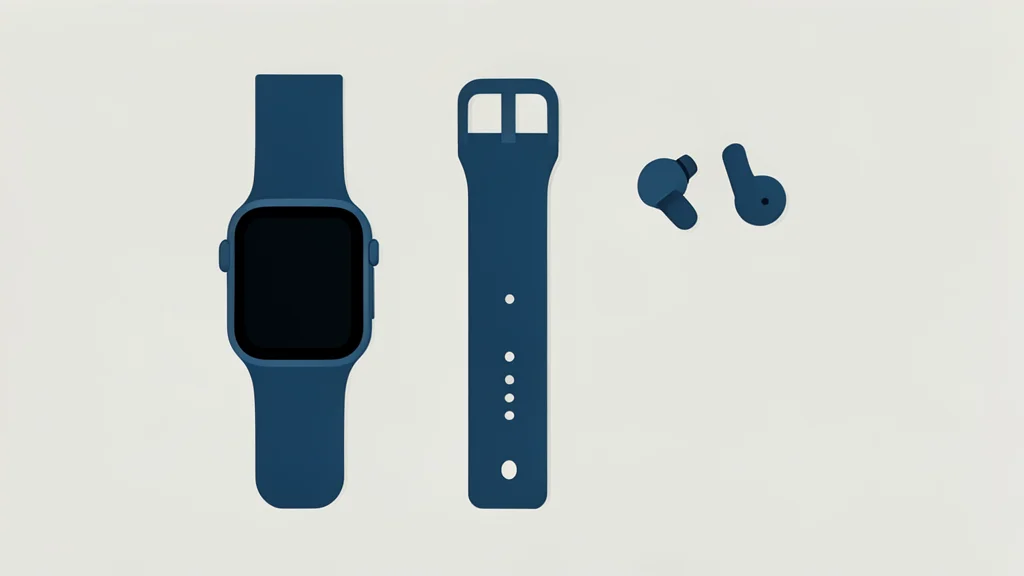
Apple Watch Series 12 Shifts Focus to Continuous AI Health Insights

Apple’s latest smartwatch looks familiar on the outside but delivers a significant internal upgrade in how it processes health data throughout the day.
Apple has released the Watch Series 12, maintaining the same physical design as previous models but introducing a more sophisticated approach to health monitoring. The primary change is not visible to the eye but lies in the watch's ability to analyze physiological data continuously, aiming to provide deeper insights into user well-being rather than just logging basic metrics.
This update positions the device as a response to a rapidly evolving market where competitors are increasingly relying on artificial intelligence to interpret health signals. By integrating these capabilities into its mainstream product line, Apple is attempting to bridge the gap between simple fitness tracking and personalized health management, a move that could redefine consumer expectations for wearable technology.
Continuous tracking removes previous limitations
A key technical advancement in the Series 12 is its ability to monitor heart rate continuously without the significant battery drain associated with earlier attempts at constant tracking. As reported by GN technics/wearables, this feature allows the watch to gather a comprehensive stream of data throughout the day. This uninterrupted flow of information is crucial for building a accurate picture of a user's physiological state, moving beyond isolated snapshots taken during specific activities.
The trade-off for this increased processing power is a reliance on efficient hardware management. While the watch can now detect subtle changes in heart rate patterns that might indicate stress or early signs of illness, users should be aware that the depth of analysis depends on the device's ability to maintain this monitoring without compromising battery life. Early reviews suggest Apple has managed this balance effectively, but long-term usage patterns will determine the true sustainability of these features.
AI interprets data contextually
The integration of artificial intelligence allows the watch to distinguish between different causes of elevated heart rate, such as physical exertion versus emotional stress. Instead of presenting raw numbers, the system surfaces insights that help users understand the context behind their biometric changes. This approach aims to make health data more actionable, helping users manage their daily routines and recovery more effectively.
However, the effectiveness of these insights depends on the quality of the underlying data and the user's willingness to engage with the information. While the technology promises to identify patterns that optimize workout timing and detect potential health issues, it is not a medical diagnostic tool. Users must interpret these signals alongside professional medical advice, as the AI provides correlations rather than definitive diagnoses.
Market competition drives innovation pace
Apple faces stiff competition from companies like Samsung and startups such as Whoop, which have been aggressively marketing AI-driven health features. The Series 12 represents an effort to maintain market leadership by offering a more integrated and accessible version of these capabilities. The success of this strategy will hinge on whether consumers find the new insights genuinely useful rather than overwhelming, a challenge that has plagued other smartwatch manufacturers.
The broader implication of this development is the potential for large-scale health research. With a massive user base, Apple can aggregate anonymized data to contribute to medical studies, offering insights that smaller companies cannot match. This scale provides a unique advantage in understanding long-term health trends, although privacy concerns and data security remain critical considerations for users adopting these new features.