BMW's Hungarian Plant Moves to Three Shifts on iX3 Demand
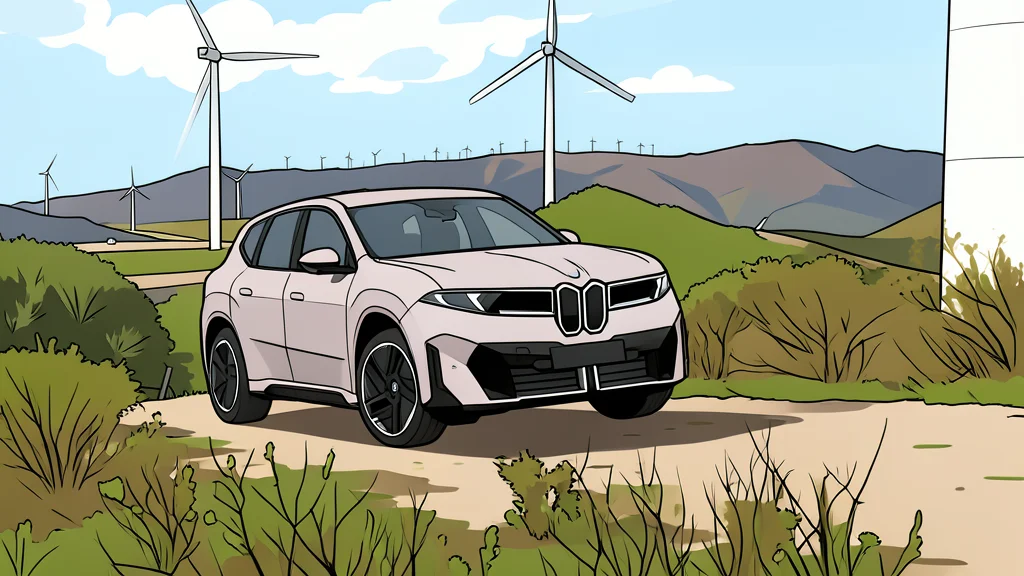
The Debrecen factory is now running around the clock to meet a surge in European orders for the iX3, marking one of the fastest production ramps in BMW's history.
BMW has activated a third production shift at its Debrecen plant in Hungary, moving the facility to 24-hour operations. This expansion follows the iX3 electric SUV reaching 100,000 orders in Europe within its first year on the market. The move allows the company to keep pace with demand that has outstripped initial production plans, effectively eliminating bottlenecks in the supply chain for the vehicle.
The rapid increase in output is driven by a strong uptake of the model across the continent. Since its world premiere in September 2025, the iX3 has captured a significant share of BMW’s electric vehicle sales in Europe. The plant, which is the sole manufacturer of the standard-wheelbase iX3 for all global markets, is now working to close the gap between orders and actual deliveries, a divergence that typically arises when production capacity lags behind consumer interest.
Fastest ramp-up in company history
Series production at the Debrecen site began in late October 2025 with a single shift. A second shift was added in February, ahead of schedule, because order intake exceeded the ramp-up timeline established before launch. The 50,000th vehicle rolled off the line on July 28, 2025. BMW describes this progression as the fastest ramp-up of any new plant in its history, a feat that plant leadership attributes to aggressive recruitment and training efforts.
Hans-Peter Kemser, the plant president and CEO, noted that such rapid scaling is only possible if the workforce grows as quickly as production volumes. The site now employs more than 5,000 people, a significant increase in a short period. This speed is not without trade-offs, as it requires intense coordination and training resources to ensure quality control remains high while the number of workers and machines doubles and then triples.
European demand masks global slowdown
While the Hungarian plant bustles with activity, the broader global picture for electric vehicles is mixed. BMW’s European fully electric deliveries rose 38% in the second quarter, reaching 81,445 units. However, globally, the group delivered 204,295 battery-electric vehicles in the first six months, a 7.4% year-on-year decline. This discrepancy highlights a regional divergence, with strong performance in Europe contrasted by sharp drops in China and the United States, where the expiration of federal tax credits impacted sales.
According to GN auto tech/ev: electric vehicle, the iX3 now represents one in three fully electric BMWs ordered in Europe. Within the X3 family specifically, half of all orders are for the electric version. This concentration of demand in a single region means that the success of the Debrecen plant is heavily dependent on the European market, leaving the company vulnerable to shifts in regional policy or consumer preference.
Sustainable operations with high capacity
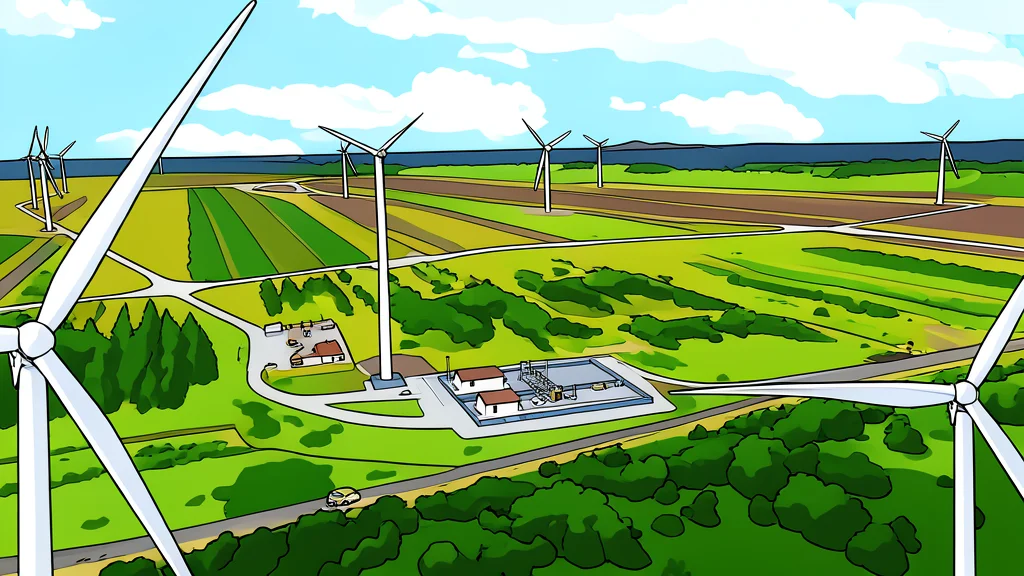
The Debrecen facility represents an investment of approximately €2 billion and spans more than 400 hectares. It is designed to operate without fossil fuels in normal running, cutting per-vehicle production emissions by about 90%. A large solar array of 71,000 panels covers a quarter of the plant's annual electricity demand. The planned capacity is around 150,000 vehicles a year, providing headroom for future models, including a new vehicle expected to enter production this autumn.