Fiat Topolino Owners Start Customizing the Compact EV
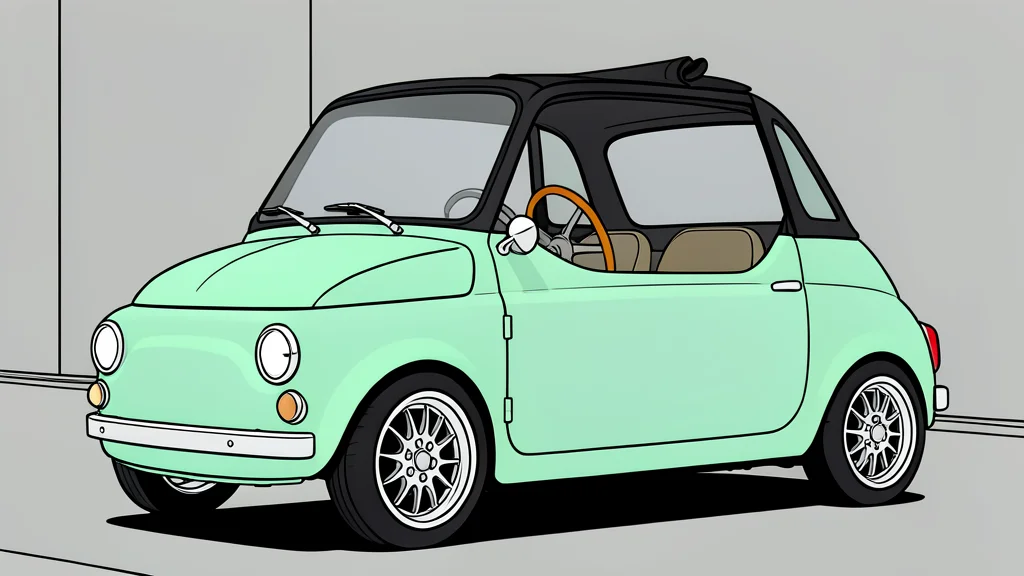
Early adopters are turning the low-speed Fiat Topolino into unique projects, though significant regulatory and performance limits remain.
Enthusiasts and tuning workshops have begun transforming the compact Fiat Topolino electric vehicle into highly personalized projects. According to reports from GN auto tech/ev: electric vehicle, these modifications range from simple aesthetic upgrades to structural changes that alter the car's fundamental layout. While the base model is a simple, low-speed quadricycle, the community is pushing it toward more dynamic and versatile configurations.
The primary appeal of these projects lies in the vehicle’s lightweight chassis and retro styling. However, enthusiasts face a significant catch: the car is strictly limited in speed and utility by its original design. In many regions, including the United States, it is not approved for standard public road use, meaning these customized versions often remain niche lifestyle items rather than daily drivers.
Modifying speed and handling systems
One workshop, Madness Auto Works, focused on performance and comfort upgrades. They installed adjustable coilover suspension and updated the vehicle control module software. These changes allowed them to double the maximum speed, raising it from 19 mph to 38 mph. This is a substantial increase for a vehicle that originally weighs only 1,073 pounds. The shop also replaced the interior with quilted leather seats and a Momo steering wheel featuring a wooden rim.
Despite these improvements, the trade-off is that the car remains a specialized machine. The software updates required to unlock higher speeds are not standard, and the vehicle still lacks the safety certifications required for widespread highway use. For American owners, a separate software update is currently being prepared to raise the legal speed limit to 25 mph, but this is a regulatory hurdle rather than a mechanical one.
Redesigning the body for open driving
In a separate initiative, designer Fabrizio Giugiaro and businessman Lapo Elkann created two distinct variants. The Top.J version converts the two-seater into a four-seat beach vehicle. It replaces the hard roof with a fabric canopy and adds a rear bench for passengers facing backward. This design emphasizes leisure and social use over traditional automotive functionality.
The second variant, the Top.L, is an open roadster with no roof, pillars, or rear window. It features side elements similar to those found on the Fiat Topolino Dolce Vita. While these designs are visually striking, they retain the standard technical components of the base model. This means the drivers experience the same limited powertrain and safety features, but in a much more exposed and unconventional environment.
Balancing novelty with practical limits
These projects highlight the tension between creative freedom and regulatory constraints. The Topolino is designed as a low-speed quadricycle, a classification that restricts where and how it can be used. Enthusiasts are modifying the car to suit their tastes, but they cannot escape the fundamental limitations of its legal status. The result is a vehicle that is highly desirable for its unique character, yet impractical for most daily commuting needs.