House Extends Diesel Emissions Funding Through 2029
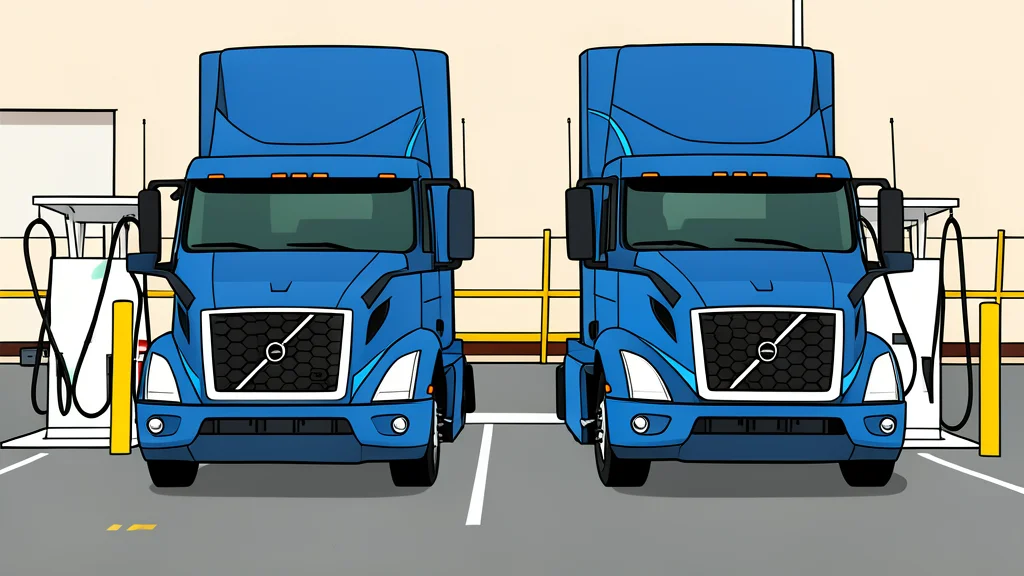
A bipartisan vote secures $100 million annually for cleaner trucks and equipment, helping fleets offset high upfront costs.
The US House of Representatives has voted to renew funding for the Diesel Emissions Reduction Act, or DERA, through 2029. The measure passed with a significant bipartisan majority, ensuring that federal support for upgrading older, polluting vehicles will continue for the next five years.
This extension authorizes $100 million in annual grants to help businesses replace diesel engines with cleaner alternatives. For fleet operators, this program acts as a financial bridge, reducing the high initial cost of switching to electric or cleaner hybrid vehicles while also cutting long-term fuel expenses.
Bipartisan support drives the renewal
The legislation was introduced by a group of representatives from both major political parties, signaling broad agreement on the need to address air quality and fuel costs. As reported by Electrek, the vote was part of a larger package of bills passed this week, reflecting a unified focus on public health and economic stability.
By securing this funding, lawmakers aim to maintain a steady flow of resources for communities and businesses that rely on heavy-duty transport. The bipartisan nature of the vote suggests that reducing emissions and saving money on fuel are priorities that cross traditional political lines.
Financial relief for fleet owners
DERA grants are designed to offset the price difference between old diesel equipment and newer, cleaner models. Over the past two decades, the program has helped remove tens of thousands of high-polluting engines from the road, saving fleets over 500 million gallons of fuel.
However, the program is not a universal subsidy. It operates through a competitive grant process administered by the Environmental Protection Agency. This means that not every applicant will receive funding, and businesses must demonstrate that the upgrade will result in measurable emissions reductions and cost savings.
Next steps for the legislation
With the House approval, the bill now moves to the Senate for review. If it passes there, it will be sent to the President for final signature. The catch for interested parties is that they must act quickly to apply for grants before funds are allocated, as the competitive nature of the program means available money is limited.
Fleet operators looking to participate are advised to contact their state’s EPA office for specific application details. While the federal framework is set, the actual distribution of these funds will depend on state-level implementation and the specific criteria for each grant cycle.