Helsinki Mandates Electric Vans for City Fleet and Services
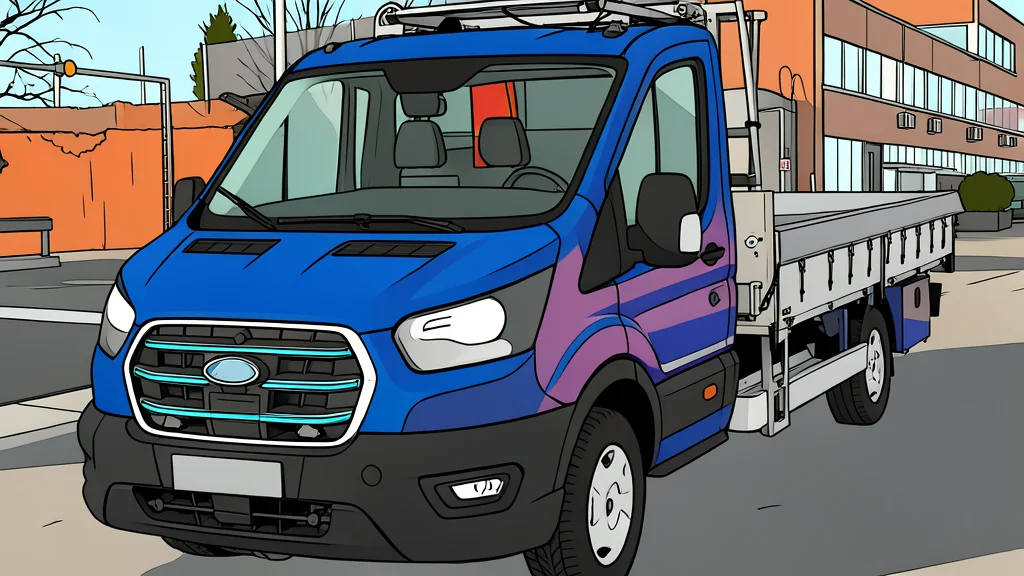
Helsinki is tightening its environmental rules to make battery-electric vans the standard for city procurement and commercial transport, signaling a major shift in urban logistics.
Helsinki has updated its vehicle procurement guidelines for the 2026 to 2030 period, effectively mandating the use of battery-electric vehicles for most of its municipal fleet. The new rules, approved by the city chancellery in September, go beyond national laws by explicitly requiring electric powertrains for vans and minibuses rather than just setting emission limits. This move reflects a broader strategy to reduce traffic emissions and align with the Finnish Green Deal.
The primary change affects how the city buys and leases vehicles. Previously, Helsinki would set carbon dioxide limits and evaluate emissions during the tender process. Now, the city will directly specify that vans and minibuses must be battery-electric. This applies to both vehicles owned by the city and those purchased through transport service contracts. The goal is to accelerate the transition away from internal combustion engines, which currently still make up a significant portion of the municipal fleet.
Electric becomes the default choice
Under the new criteria, the city will first check if a suitable electric model exists for a specific job. If no appropriate electric vehicle is available for the intended use case, a non-electric vehicle may be permitted, but only if it runs on biogas or renewable diesel (HVO). This creates a clear hierarchy: electric is the default, renewable fuels are the fallback, and standard diesel is largely excluded. This approach removes the ambiguity of previous tender evaluations where emissions were just one scoring factor among many.
The city acknowledges that the transition is not without friction. For heavy-duty vehicles like trucks and buses, high purchase costs and incomplete charging infrastructure remain significant challenges. To address this, Helsinki will now require a mandatory comparison of life cycle costs, including purchase price, energy costs, maintenance, and residual value. This ensures that decisions are based on total cost of ownership rather than just the initial sticker price, which is often higher for electric models.
Cost differences and market realities
The financial impact of this shift is tangible. Helsinki leases approximately 92 vans and minibuses annually, with procurement costs around €3.6 million per year. The city estimates that the price difference between an electric van and a combustion-engine van averages €11,000. While this is an upfront premium, the new life cycle cost analysis aims to justify the investment by factoring in lower energy and maintenance costs over the vehicle's lifespan.
However, the rules are not absolute. The guidelines explicitly state that the city may choose an electric vehicle even if it is estimated to be the most expensive option over its life cycle. This allows Helsinki to prioritize environmental goals over pure cost savings in certain cases. Conversely, if a diesel vehicle is deemed necessary due to availability or cost, it must run on HVO, a renewable diesel that reduces lifecycle emissions compared to fossil diesel.
Stricter rules for service providers
The new mandate also extends to third-party transport services. Taxi firms and other passenger transport providers using cars will now be required to use fully electric vehicles. Previously, a limit of 50 grams of CO₂ per kilometre allowed plug-in hybrids, but this loophole is being closed. According to GN auto tech/ev: electric vehicle, this change forces a quicker conversion for private operators serving the city, as immediate compliance may not be feasible for all firms.
Helsinki’s push is part of a broader trend where urban centers are using procurement power to drive market adoption. By making electric vans the default, the city is signaling to manufacturers that there is a stable demand for commercial electric vehicles. This could help lower prices and improve battery technology, making the transition easier for private businesses and consumers who follow.