Hyundai Staria Load Electric Van Priced at $70,990
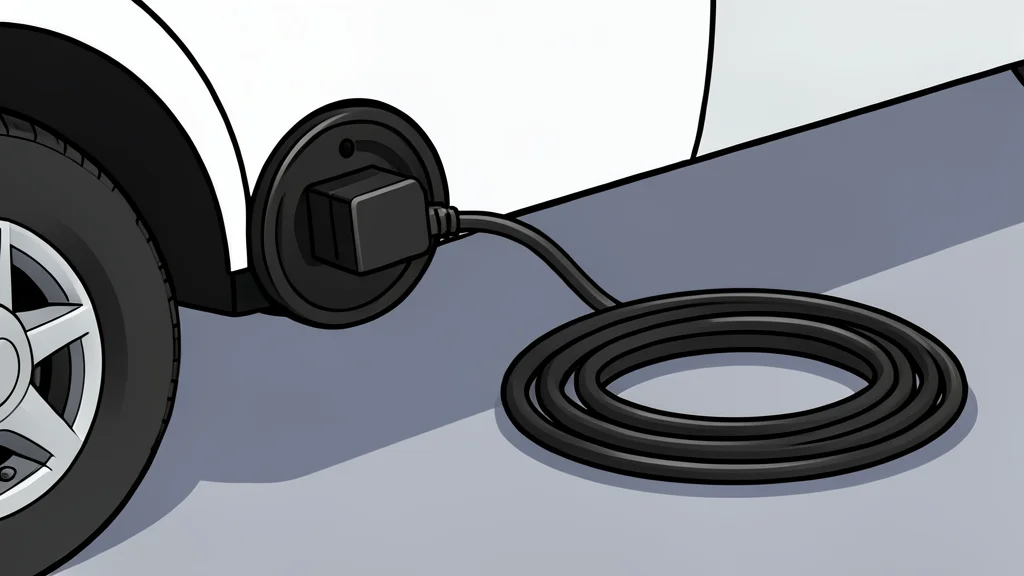
Hyundai has introduced an all-electric version of its Staria Load van, targeting businesses that need reliable cargo capacity with modern charging speeds.
The new vehicle enters the market at a price of 70,990 dollars plus on-road costs. According to GN auto tech/ev: electric vehicle, this positioning places it significantly above rival models like the Kia PV5 and the upcoming Ford E-Transit City. The higher price tag is justified by specific technical advantages, including a longer driving range and faster direct current charging capabilities compared to these competitors.
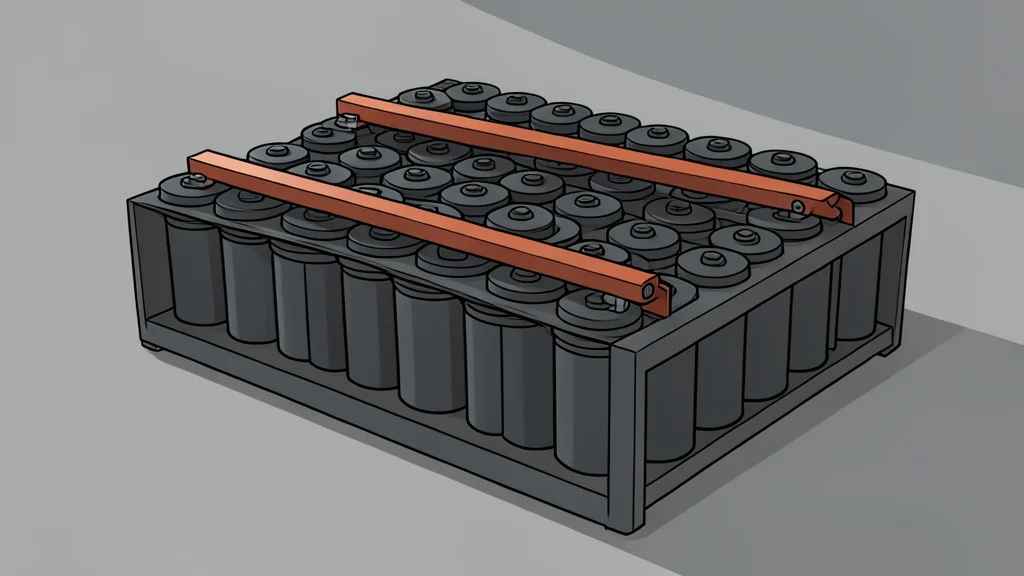
The van features a 160-kilowatt electric motor that drives the front wheels, producing 350 newton-meters of torque. It is built on Hyundai's 800-volt electric global modular platform, which is also used in other models from the Hyundai, Kia, and Genesis brands. This architecture allows for a 10 percent to 80 percent battery charge in approximately 20 minutes, a significant benefit for drivers who need to minimize downtime during long routes.
Range and Payload Capabilities
The electric Staria Load offers a WLTP certified range of 450 kilometers. This exceeds the 254 kilometers provided by the Ford E-Transit City and offers more flexibility than the Kia PV5. In terms of cargo, the vehicle maintains a payload capacity of 1,005 kilograms and a cargo volume of 4.9 cubic meters. It can also tow a braked trailer of up to two tonnes, making it suitable for various commercial transport needs.
Cabin Features And Trade-offs
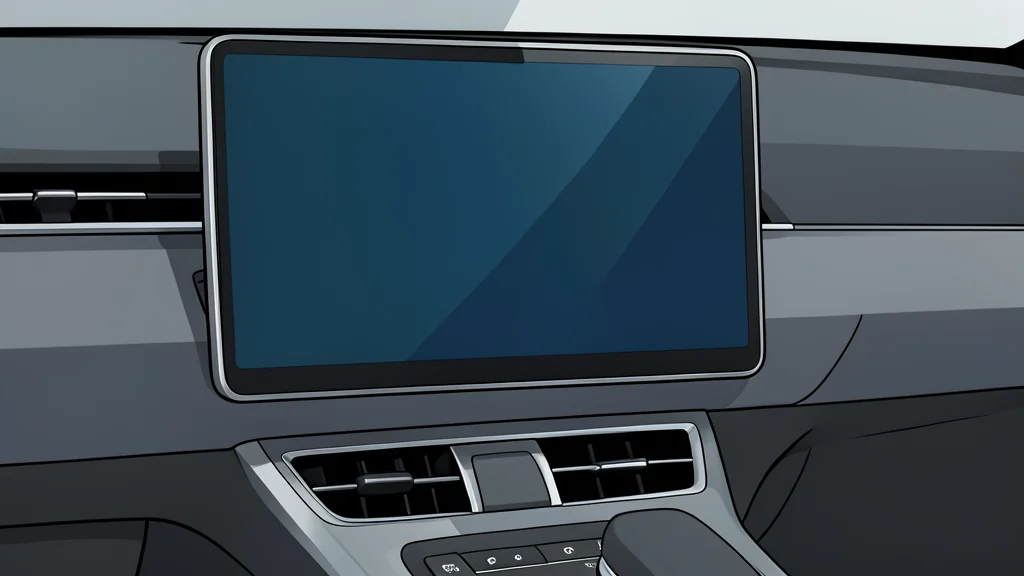
Inside the cabin, the van includes a 12.3-inch digital instrument cluster and a multimedia display. It supports over-the-air software updates and includes a vehicle-to-load outlet that provides 240-volt AC power. This feature allows the van to power external tools or equipment directly from the battery. The interior also features a 23.9-litre front storage compartment, a unique addition to the electric variant that provides extra utility for drivers.
However, there is a notable limitation in seating capacity. Unlike some other one-tonne vans that offer more passenger space, the Staria Load is strictly limited to two seats in all versions. This design choice may be a drawback for businesses that frequently transport additional staff members. Additionally, while the electric version includes a full-size spare wheel, the cost remains a significant barrier compared to cheaper diesel or hybrid alternatives currently on the market.
Safety And Service Costs
Safety equipment includes seven airbags and a suite of driver assistance systems. These features include forward collision avoidance, lane following assist, and intelligent speed limit assist. The vehicle also comes with a battery heating system and a reverse cycle heat pump to improve efficiency in varying weather conditions. Servicing is scheduled every 30,000 kilometers or 24 months, with an estimated cost of 650 dollars per service, providing a predictable maintenance budget for fleet operators.