Kia Reveals PV7 Electric Van with Extended Range
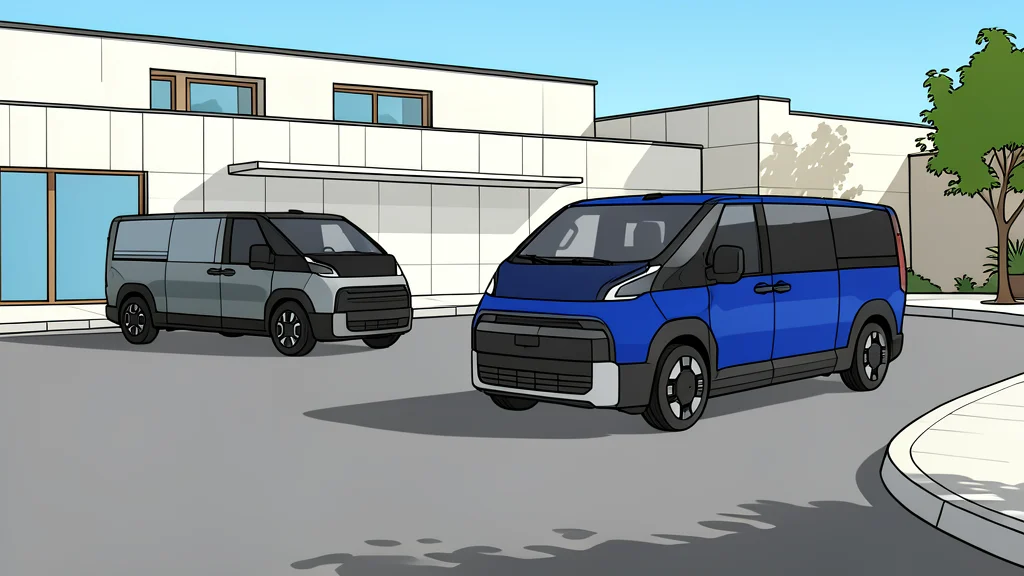
Kia has unveiled the PV7, its latest electric van designed for both passenger and cargo use. The vehicle offers significant range improvements and fast charging capabilities, targeting a growing market for practical electric alternatives to traditional minivans.
Kia has officially introduced the PV7, a new entry in its electric vehicle family that expands beyond the compact PV5 model revealed earlier this year. Unveiled at the IAA Transportation event in Germany, the PV7 is positioned as a longer, more versatile option for consumers and businesses seeking electric solutions. This move signals Kia’s continued commitment to building a dedicated line of electric vans rather than simply adapting existing combustion-engine vehicles.
According to reporting by GN auto tech/ev: electric vehicle, the PV7 represents the second major model in Kia’s Platform Beyond Vehicle architecture. This dedicated electric platform allows for a flat floor design, which is a significant upgrade for loading cargo and improving interior space utilization. The vehicle is available in two distinct configurations: a passenger-focused version and a cargo-focused variant, addressing different needs within the commercial and personal transport sectors.
Battery Options and Charging Speeds
The PV7 is built on an 800-volt electrical architecture, which is a key technical specification for modern electric vehicles. This setup enables rapid recharging, with Kia claiming that the battery can go from 10 to 80 percent charge in under 25 minutes when using a 350-kilowatt DC fast charger. For drivers who rely on their vehicles for daily commutes or work duties, this reduced downtime is a practical benefit that helps integrate the van into busy schedules.
Customers will have two battery pack options to choose from. The standard configuration includes a 71.5-kilowatt-hour nickel-manganese-cobalt battery, while a larger 96.2-kilowatt-hour pack is available for those requiring maximum distance. The larger battery powers the Cargo Long-Range version, which Kia estimates will deliver up to 460 kilometers, or approximately 286 miles, under WLTP testing conditions. It is important to note that WLTP figures are often 10 to 20 percent higher than real-world EPA estimates, so actual range will likely be somewhat lower.
Interior Features and Practical Utility
Beyond raw performance, the PV7 emphasizes utility with features like vehicle-to-load outlets. This allows the van to power external tools and equipment, making it a viable mobile workspace for tradespeople or event organizers. The infotainment system runs on Kia’s Android Automotive-based Pleos Connect OS, which includes natural-language voice controls. This software integration aims to make the driving experience more intuitive, allowing drivers to manage vehicle functions without taking their eyes off the road.
The design of the PV7 is described as forward-looking yet practical. It features a two-tone front end with a dark upper section that creates a visor-like appearance, helping to mask the boxy shape typical of vans. The tall, flat roof maximizes headroom, while the low front bumper and plastic body cladding add a rugged aesthetic. These design choices suggest that Kia is targeting buyers who want a vehicle that looks modern but remains robust enough for daily use.
Market Availability and Regional Plans
Kia has confirmed that the PV7 will launch in Europe and South Korea in the second half of 2027. However, the company has not yet made an official commitment to the United States market, despite the vehicle being spotted testing in North America. This hesitation may reflect broader economic and regulatory uncertainties in the US automotive sector. For now, US buyers will have to wait for further announcements, while European and Korean consumers will be the first to receive the vehicle.
The introduction of the PV7 comes at a time when minivans are seeing a resurgence in popularity, with sales rising significantly in 2025. As consumers look for alternatives to large SUVs, Kia’s new electric van offers a compelling option. The trade-off, however, is the wait time; with a 2027 launch date, the PV7 will not be immediately available to those seeking an electric van today. Nevertheless, its arrival adds depth to Kia’s electric lineup and addresses a growing demand for versatile, efficient electric vehicles.