Low-Mile Used EVs Offer Big Savings but Require Battery Checks
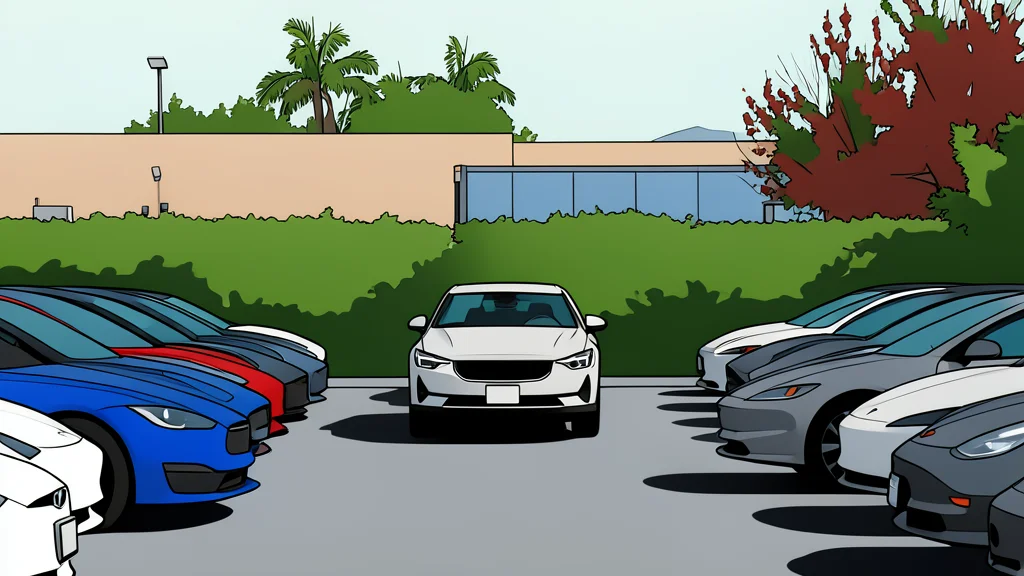
Lightly used electric vehicles are hitting the market at significant discounts, offering buyers a chance to save thousands without sacrificing much range or performance.
The gap between the price of a new electric vehicle and a lightly used one has become surprisingly wide. For example, a new 2026 Honda Prologue Touring costs nearly $45,800, while comparable 2024 and 2025 models with fewer than 10,000 miles can be found for under $30,000. This trend is not unique to Honda; many modern EVs see their value drop sharply once they leave the showroom, creating a niche of high-value pre-owned options.
However, buying a used EV is not as simple as comparing sticker prices. While the savings are substantial, the ownership experience comes with specific technical considerations that differ from traditional gas cars. Buyers need to understand how maintenance, powertrain complexity, and warranty coverage work in the electric context to avoid unexpected costs or performance issues down the line.
Maintenance is Simpler but Not Free
One of the primary advantages of electric vehicles is the reduced complexity of routine maintenance. There is no oil to change, no spark plugs to replace, and no transmission fluid to flush. The upkeep largely consists of standard wear items like tires, cabin air filters, and wiper blades. If your vehicle has a liquid-cooled battery, which is standard in most modern models, you will eventually need to flush the coolant. Think of this as a long-interval service, similar to replacing spark plugs, that happens after tens of thousands of miles rather than every few thousand.
Battery Health is the Critical Check
The biggest risk in buying a used EV is battery degradation, which directly impacts range and resale value. Federal law mandates a minimum battery warranty of eight years or 100,000 miles, which is often longer than the powertrain warranties on gas cars. To ensure the battery is still healthy, you should request a battery health report. Many dealers purchase their inventory from wholesale auctions like Manheim, which provide these assessments as part of the sale. If the dealer has this report, they should share it with you for free before you spend your own money on a third-party test.
Simplicity Reduces Powertrain Risks
Electric motors are mechanically simpler than internal combustion engines, meaning there are far fewer moving parts that can fail. According to GN auto tech/ev: electric vehicle, this simplicity means that if a powertrain issue does occur, it is often easier to diagnose and repair because the problem area is more isolated. This reduces the likelihood of catastrophic, expensive repairs that are common in complex gasoline engines, making the used EV market a more predictable bet for long-term ownership.